
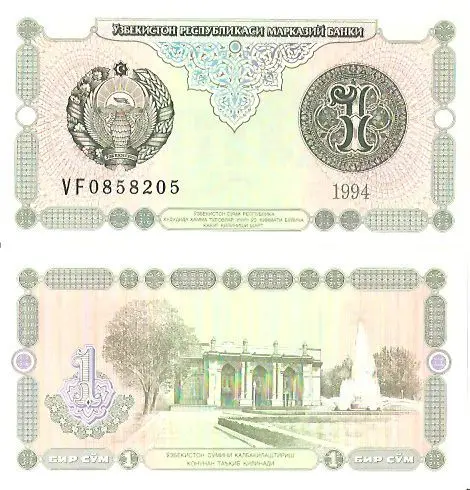
Introduction to Uzbekistan’s Current Landscape
Uzbekistan, a landlocked country in Central Asia, has been gaining significant attention on the global stage due to its rich history, cultural heritage, and recent economic reforms. As the most populous country in Central Asia, Uzbekistan plays a crucial role in the region’s stability and growth, making the exploration of its current developments particularly relevant for international observers.
Economic Growth and Reforms
In recent years, Uzbekistan has embarked on a series of ambitious economic reforms aimed at modernising its economy and improving the living standards of its citizens. According to the Asian Development Bank, Uzbekistan’s GDP growth is projected to be around 5.5% for 2023, driven by investments in infrastructure and manufacturing. The government has introduced measures to attract foreign direct investment (FDI) by simplifying the investment process and providing guarantees for investors.
Notably, the government has been working to diversify its economy away from its traditional reliance on cotton production. The country is increasingly focusing on the development of the tourism sector, with plans to enhance infrastructure and promote cultural heritage sites. Recent reports indicate that Uzbekistan is positioning itself as a vital hub for tourism in Central Asia, with increased flights and visa facilitation measures.
Political Landscape and International Relations
Politically, Uzbekistan is undergoing a transformation under the leadership of President Shavkat Mirziyoyev, who has been in power since 2016. His administration has focused on implementing social reforms, enhancing transparency, and fostering a more open society. In 2023, Uzbekistan hosted several international summits to strengthen ties with neighbouring countries and international organisations, highlighting its growing role in regional politics.
The country has also taken steps to improve its human rights record, a move welcomed by various international watchdogs. While challenges remain, observers note a gradual shift towards greater political openness and engagement with civil society.
Conclusion: The Path Ahead for Uzbekistan
As Uzbekistan continues on its reform journey, the implications for its economy, political landscape, and regional stability are significant. The government’s commitment to modernisation and international cooperation is likely to yield positive outcomes, though vigilance in sustaining these reforms will be essential. For investors and analysts, Uzbekistan represents both opportunities and challenges; understanding its evolving dynamics will be crucial for engaging with this emerging market. As the country carves its path on the global stage, it will be interesting to monitor how Uzbekistan leverages its rich history and diverse culture to establish itself as a key player in Central Asia.
 Yaw Appiah
 Evelyn Mensah
 Kwame Ofori