
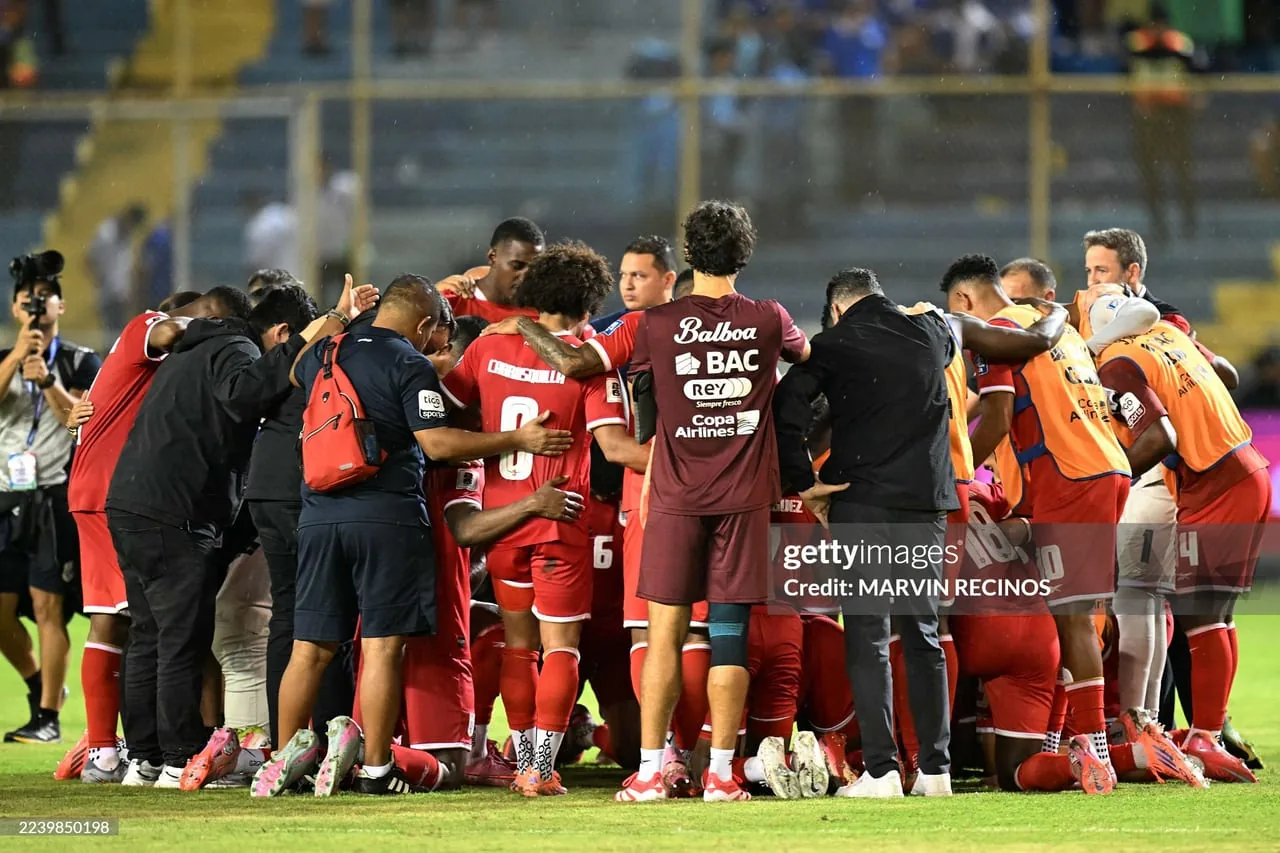
Panama is set to participate in its second World Cup, approaching the 2026 tournament with greater ambition compared to its debut in 2018. Head coach Thomas Christiansen has stated that the team is not just going for a “selfie,” emphasizing a focus on securing a victory in their opening group match against Ghana. A win in this match could significantly improve their chances of advancing to the last 32.
Christiansen, who previously played for Barcelona, has implemented a possession-based style of play, focusing on structured attacking patterns and utilizing width. This approach has given the national team a distinct identity in a country where baseball traditionally holds more prominence. The team is expected to adopt a 3-4-2-1 formation when in possession, transitioning to a 5-4-1 defensive setup.
Panama’s strengths and challenges
One of Panama’s key strengths lies in its compact defensive structure, which has proven effective in frustrating opponents. The team is known for being well-organized, disciplined, and hard-working. Christiansen noted that while many opponents may have outperformed them, Panama has often prevailed by playing as a unified team. Additionally, they pose a genuine threat from set-pieces.
However, Panama faces challenges, particularly in offensive quality during open play. Their shot conversion rate during the qualifiers was 15%, which was among the lower rates in their region. The squad also features a number of players in their 30s, and none currently play in Europe’s top five leagues.
Midfielder Adalberto Carrasquilla, known as ‘Coco’, is a central figure in Panama’s midfield, recognized for his poise, athleticism, and technical skill. He was the first Panamanian to win Concacaf‘s Men’s Player of the Year award in 2024. However, Carrasquilla, who is 27, sustained an injury in May while playing for his Mexican club and could potentially miss the start of the tournament.
Ismael Diaz, a 29-year-old left winger, is considered Panama’s most likely source of goals. He was the Gold Cup Golden Boot winner last year and has developed a reputation for performing in critical moments. Michael Amir Murillo, a 30-year-old right wing-back, was the only squad member in one of Europe’s top five leagues until his transfer from Marseille to Besiktas in February.
Coaching and qualification journey
Thomas Christiansen, a 53-year-old Denmark-born coach, has been at the helm of the Panamanian national team since July 2020, making him their longest-serving head coach. His tenure has seen the team reach new levels, including being runners-up at the 2023 Gold Cup, reaching the Copa America quarter-finals in 2024, and the Concacaf Nations League final last year. In these tournaments, Panama notably defeated the USA.
Panama’s qualification for the 2026 World Cup had a slow start in the final round, with one win in their first four group games. However, they secured two victories towards the end of the qualifiers, allowing them to top their group ahead of Suriname.
The 2018 World Cup marked Panama’s debut on the global stage. They finished at the bottom of a group that included England, Belgium, and Tunisia, conceding a tournament-high 11 goals. Despite the results, the tournament is remembered for Felipe Baloy scoring Panama’s first-ever World Cup goal against England in the 78th minute of their match. This moment sparked widespread celebrations both in the stadium and back home, highlighting the significance of their participation. The final whistle of their last match against Tunisia, which they lost 2-1, did not feel like a failure to many, as players embraced and reflected on their journey.
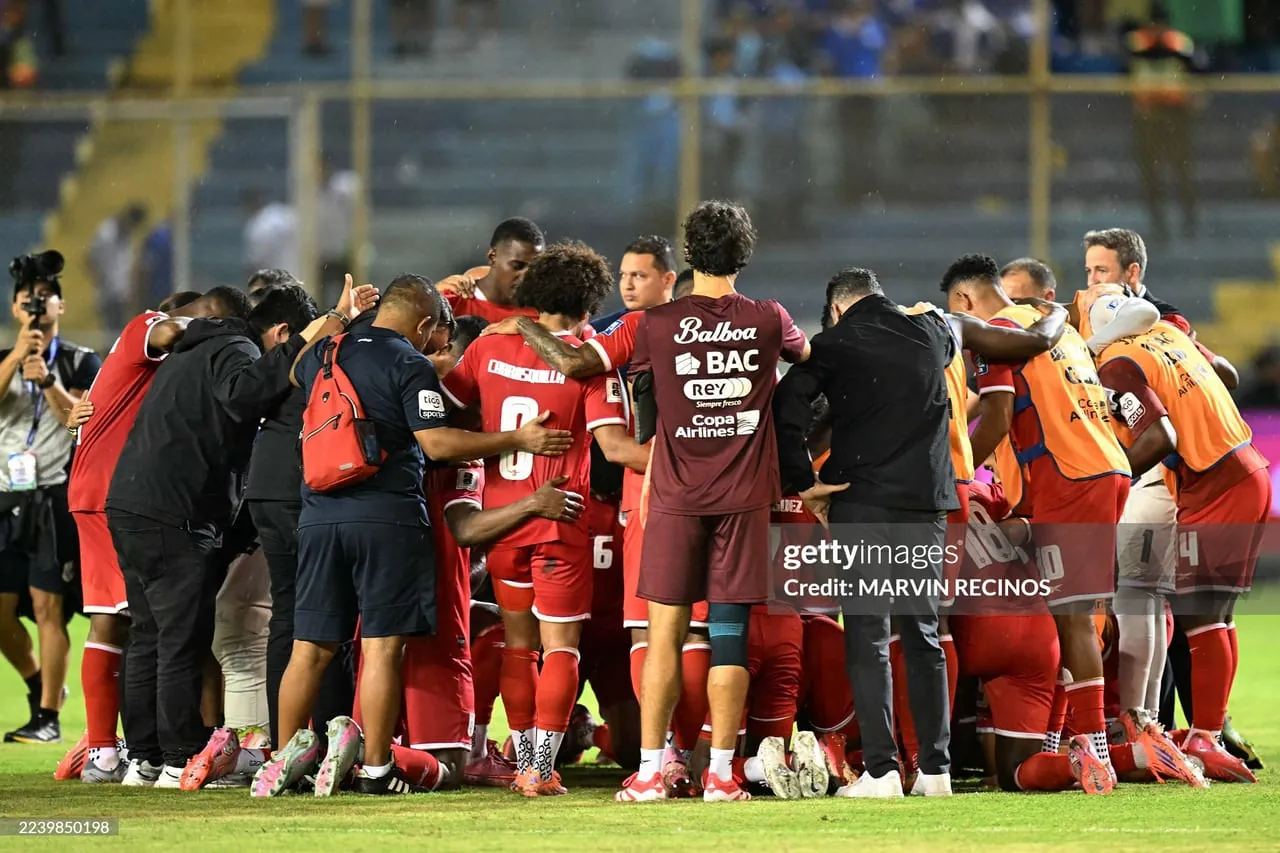
Looking ahead to 2026, the team’s mindset has shifted from simply enjoying the experience to believing they can compete, a change attributed to Christiansen’s leadership and the development of players like Carrasquilla, José Fajardo, and Murillo. The opening match against Ghana is seen as an opportunity for the team to demonstrate this new ambition.
Read Also
Source: bbc.com
 Yaw Appiah
 Evelyn Mensah
 Ama Serwah