
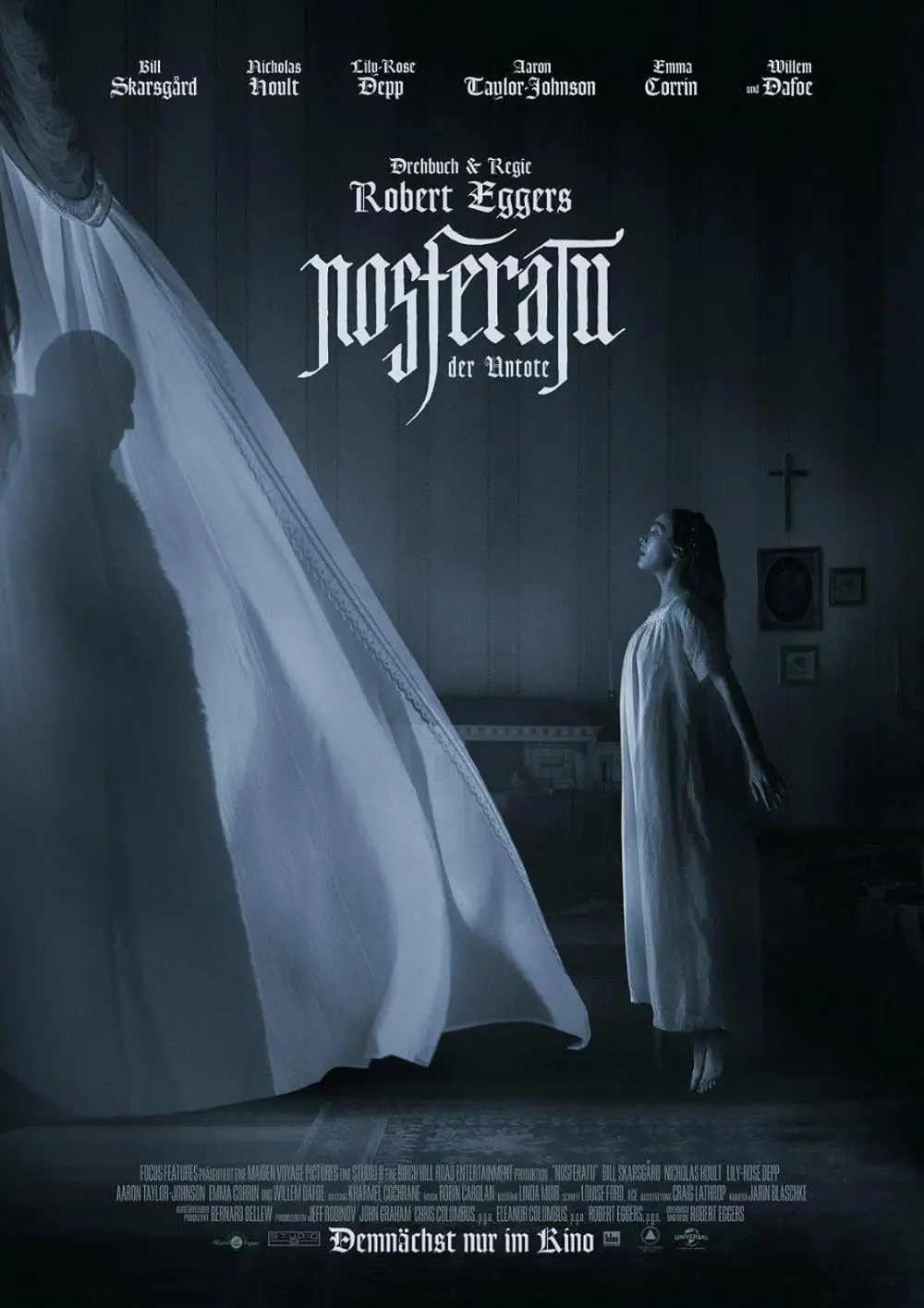
The Significance of Nosferatu
Nosferatu has long been regarded as a foundational work in the horror film genre. Originally released in 1922, Murnau’s silent film adaptation of Bram Stoker’s ‘Dracula’ introduced audiences to the terrifying figure of Count Orlok, a character that has since become an enduring symbol of cinematic horror. As we approach the planned release of Nosferatu 2024, the anticipation surrounding this reimagining taps into both nostalgia and contemporary storytelling techniques.
What to Expect in Nosferatu 2024
Nosferatu 2024 is being directed by renowned filmmaker Robert Eggers, who is known for his atmospheric and psychologically intricate films such as ‘The Witch’ and ‘The Lighthouse’. Expected to hit theatres in mid-2024, the new adaptation aims to retain the haunting essence of the original while bringing a new narrative framework and visual style to the forefront. Eggers has expressed a deep appreciation for the original work, stating, “Nosferatu is not just a story of horror but an exploration of loneliness, isolation, and the darkness within man’s soul.”
The cast is headlined by Bill Skarsgård, who is set to portray Count Orlok. Skarsgård’s previous work in ‘It’ as Pennywise has garnered him significant acclaim and positioned him as a suitable choice for such an iconic character. Lily-Rose Depp will star as the female lead, Murnau’s ‘Ellen’, adding a modern twist to the narrative while promising a strong emotional depth.
The Cultural Impact
The revival of Nosferatu in 2024 is not just a film event; it reflects a broader trend in the film industry where classic horror narratives are being reinterpreted for modern audiences. With the resurgence of popularity in gothic horror and supernatural themes, this reimagining could pave the way for a new wave of horror storytelling that marries the past with contemporary societal issues.
Conclusion: A New Chapter
As we look forward to Nosferatu 2024, it is evident that this film extends beyond mere entertainment. It serves as a reminder of the timeless nature of fear and the deep-seated human fascination with the supernatural. By reimagining such a classic, filmmakers have an opportunity to engage with audiences old and new, fostering discussions on the genre’s evolution and its representation of human emotion.
In conclusion, Nosferatu 2024 is positioned to become a significant entry in both cinematic history and the horror genre, inviting viewers to reassess what it means to be terrified in today’s world. Fans of the original and new horror enthusiasts alike eagerly await what promises to be an unforgettable cinematic experience.
 Kwame Ofori
 Yaw Appiah
 Evelyn Mensah