
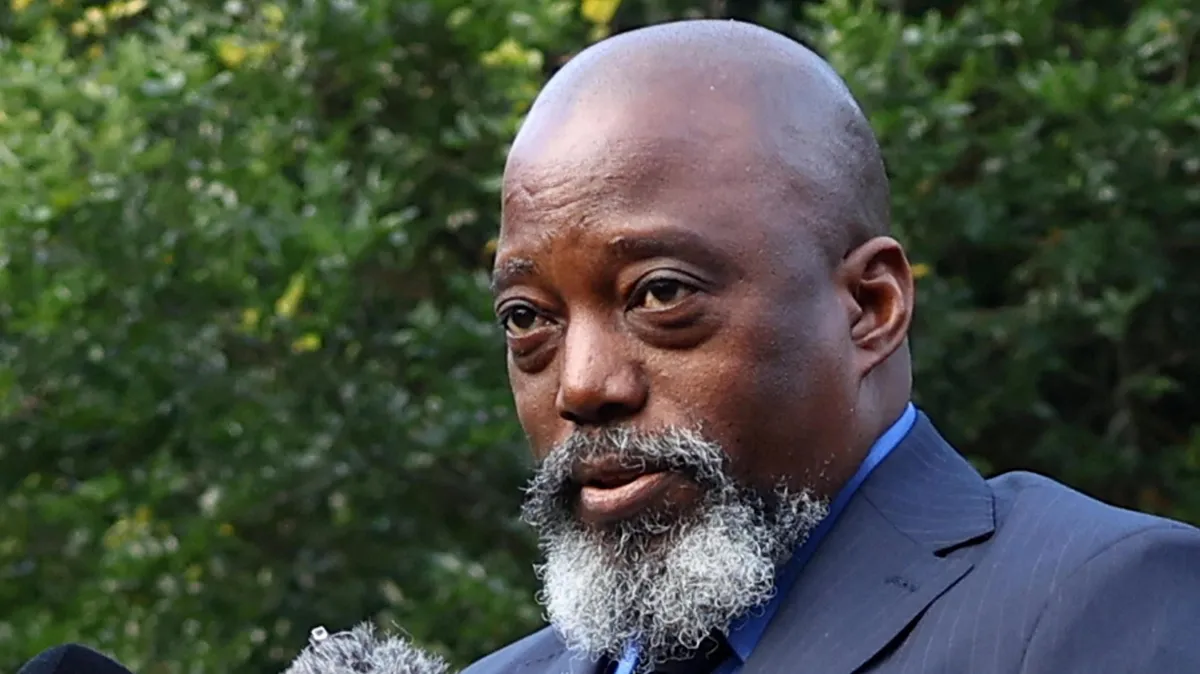
The US sanctions against Joseph Kabila mark a significant escalation in efforts to stabilize a region plagued by conflict and displacement. The sanctions, which include freezing all of Kabila’s assets in the United States, aim to curb his alleged support for the M23 rebel group and the Congo River Alliance.
Kabila served as President of the Democratic Republic of Congo from 2001 until 2019. His tenure was marked by accusations of fostering instability, particularly in eastern regions like Goma and Bukavu, where the M23 rebel group controls significant territory. Critics, including Jacque Main Shabani, have called him “the architect of the destabilization of Congo.”
In September 2025, a military court in Congo sentenced Kabila to death in absentia for treason and war crimes. Despite this ruling, he has made public appearances in areas controlled by rebels. The Congolese government welcomed the recent US sanctions as a crucial step against impunity.
American citizens and companies now face restrictions on doing business with Kabila. He claims these sanctions are unjustified, stating that they are based on allegations not supported by concrete evidence. “Any attempt to find a solution to this crisis that ignores its root causes… will not bring lasting peace,” Kabila remarked.
As tensions continue to rise, many wonder how these developments will affect the already volatile situation in eastern Congo. The region remains rich in mineral resources but is beset by ongoing conflict and displacement.
Key facts:
- Kabila ruled the Democratic Republic of Congo for 18 years.
- The US imposed sanctions on Kabila in 2026.
- Kabila was sentenced to death in absentia in 2025.
- The M23 has been accused of receiving support from Kabila.
- The Congolese government supports these sanctions as a measure against impunity.
 Yaw Appiah
 Evelyn Mensah
 Kwame Ofori
 Ama Serwah