
On May 1, 2026, China announced a groundbreaking zero-tariff policy that will benefit all 53 African countries with which it has diplomatic ties, leaving out only Eswatini. This move is poised to reshape trade dynamics significantly, particularly for nations like Ghana.
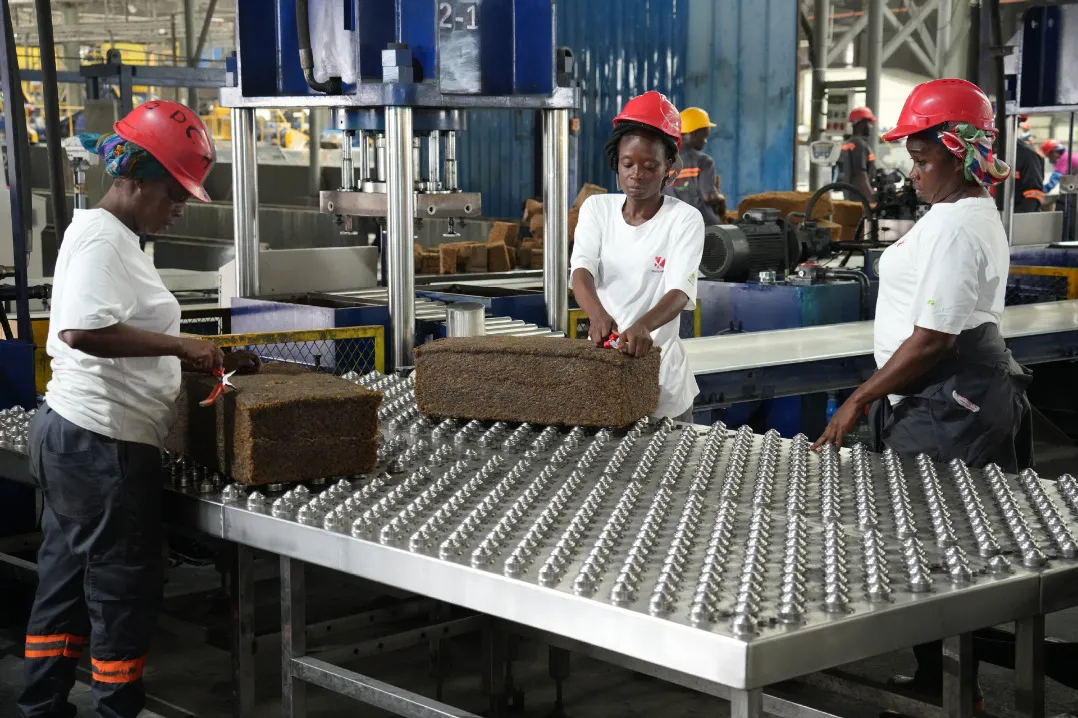
The policy aims to enhance trade engagement and expand access to China’s vast consumer market. In Ghana, officials are encouraged to develop a targeted China Export Strategy focusing on priority sectors and product standards. This strategic approach could play a vital role in boosting agro-processed exports.
As part of this initiative, Ghana stands to gain from reduced costs for exporters—removing a significant barrier to entering the Chinese market. The new policy is set to last until April 30, 2028, providing ample time for local businesses to adapt and thrive.
Key statistics:
- 53 African countries included in China’s zero-tariff policy
- 33 least-developed African nations already benefiting from a duty-free policy as of December 2024
- African trade deficit with China reached $102 billion last year, increasing by 65%
Ken Gichinga, an economist, emphasized the importance of these measures: “Dis new measures go improve access to Chinese markets, e go close trade deficit and expand opportunities for African companies to prosper.” His sentiment reflects the optimism surrounding this policy shift.
Paul Frimpong also highlighted the need for alignment between the export strategy and industrial goals: “This strategy should align with industrial policy and export diversification goals…” Such insights indicate that stakeholders are keenly aware of the potential this policy holds for economic diversification in Ghana.
China’s positioning as a trade liberalizer contrasts sharply with past U.S. policies under Donald Trump. Lauren Johnston noted this shift by stating, “China don position dia sef as di trade liberaliser and Africa-friendly economic partner.” This perspective underscores the broader implications of China’s evolving role in global trade.
The zero-tariff policy opens new avenues for Ghana to deepen its trade engagement with China while addressing its significant trade deficits. As businesses look forward to leveraging this opportunity, the focus now shifts toward effective implementation and strategic planning.
 Kwame Ofori
 Yaw Appiah
 Ama Serwah
 Evelyn Mensah