
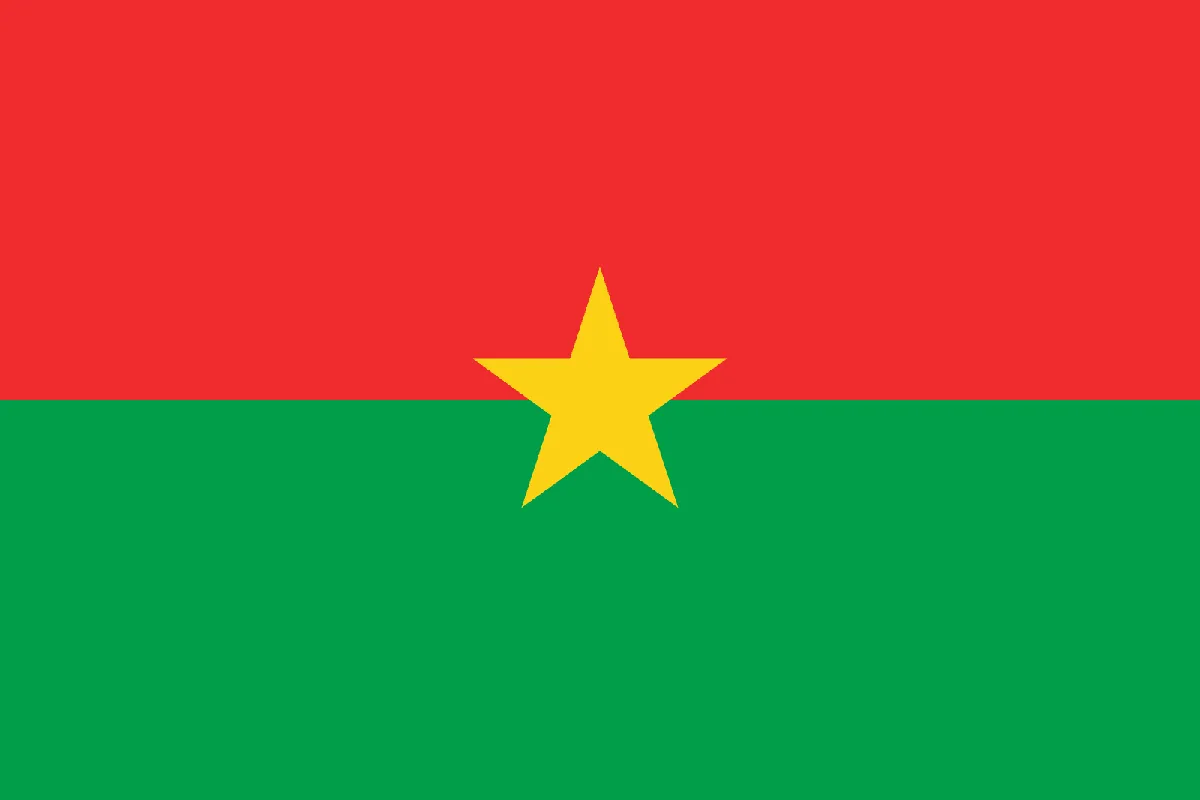
In Burkina Faso, Capt. Ibrahim Traoré has cultivated significant backing since leading a coup in September 2022, despite a deteriorating security landscape marked by increasing civilian casualties attributed to state forces.
The situation has become dire. Deaths from militant Islamist violence have tripled since Traoré’s ascent to power, with civilians now facing peril not only from jihadist groups but also from their own military. Civilians in Burkina Faso have been killed by state forces at more than twice the rate attributed to Islamist groups since 2023. The junta has dismissed allegations of these killings, denying any wrongdoing.
Traoré initially promised to restore democracy by 2024 but recently extended his rule for an additional five years, dissolving over 100 political parties and seizing their assets in January 2026. The junta’s actions have led to a crackdown on political dissent and media freedom, further entrenching its grip on power.
Key statistics:
- Burkina Faso’s population stands at approximately 23 million.
- Projected displacement of civilians could reach between 3 million and 5 million by 2026.
- The area where military forces operate freely is estimated at 30 percent.
- Two-thirds of citizens now accept military rule, a significant increase from just 24 percent a decade ago.
The growing acceptance of the junta reflects a shift in public sentiment, driven by frustrations over insecurity and a desire for stability amid chaos. As one local resident remarked, “People need to forget about the issue of democracy. We have to tell the truth: democracy isn’t for us.” This sentiment resonates with many who feel abandoned by traditional political structures.
International responses:
- Civicus has noted that the security situation used to justify the coups has dramatically worsened.
- The International Centre for Counter-Terrorism warns that ongoing political repression risks fueling extremist narratives.
- The Economic Community of West African States (ECOWAS) faces challenges as Burkina Faso, alongside Mali and Niger, withdrew from its oversight in January 2026 after pressure to hold elections.
The junta’s collaboration with neighboring military governments indicates a shift towards regional solidarity among juntas, promoting an agenda steeped in anti-imperialism and resource nationalism. Effred Mouloul from the Alliance of Sahel States expressed solidarity with Mali, stating, “To the Malian people, we say: ‘You are not alone.'” This alliance could reshape the political landscape in West Africa as these nations navigate their shared challenges.
The road ahead remains fraught with uncertainty as Burkina Faso grapples with escalating violence and internal strife while navigating its newfound alliances within the region.
 Yaw Appiah
 Evelyn Mensah
 Kwame Ofori
 Ama Serwah