
Introduction
‘Have I Got News For You’ (HIGNFY) has established itself as a cornerstone of British television, blending humour with current events in a way that engages the public. Since its debut in 1990, the show has become a formidable platform for political commentary and social critique, making it especially relevant in today’s ever-changing news landscape. With no shortage of controversies and significant events, the show consistently holds a mirror to society, encouraging viewers to reflect on headline stories through a satirical lens.
The Show’s Format and Popularity
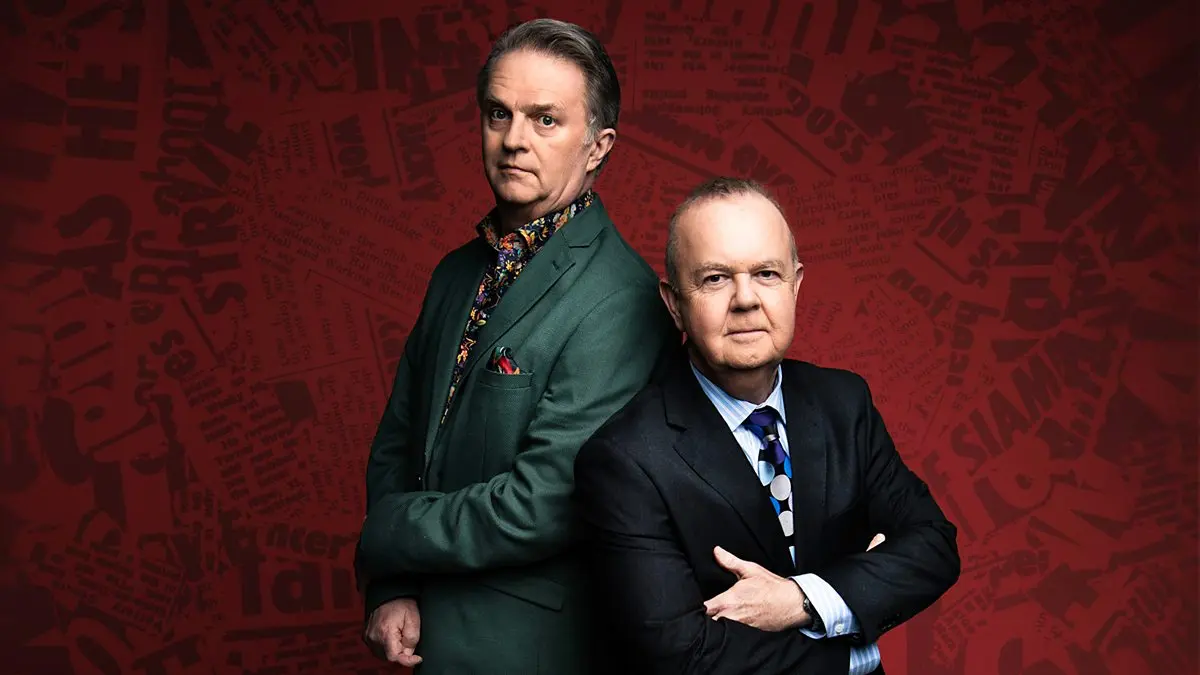
HIGNFY, hosted by a revolving door of celebrity guests and team captains Paul Merton and Ian Hislop, takes a humorous approach to discussing the week’s news. Each episode features a panel of guests who participate in quizzes and discussions about current events, often delivering sharp and witty observations that resonate with audiences. The show has garnered a loyal following, illustrating the public’s appetite for satirical commentary, especially in an age dominated by misinformation.
With over 500 episodes aired, HIGNFY has not only been lauded for its entertainment value but also for its ability to engage viewers in critical thinking regarding political and social issues. This engagement is particularly poignant in a time when traditional news consumption faces challenges from digital media.
Recent Episodes and Topics
Recently, the show has tackled significant events such as the pandemic, Brexit, and the global climate crisis, underscoring its relevance to contemporary audiences. For instance, episodes airing during the COVID-19 pandemic skillfully highlighted the absurdities and challenges faced by the government and public alike. The humour provided a much-needed outlet during uncertain times, fostering a sense of community as viewers shared in the collective experience of navigating unprecedented circumstances.
Conclusion
‘Have I Got News For You’ remains an important fixture in British culture, prompting viewers to consider the state of the world without sacrificing laughter. As it continues to adapt to new developments, the show provides a crucial space for satire that resonates on both personal and societal levels. Given the ongoing complexities of global politics and the media landscape, HIGNFY’s blend of comedic analysis and news will likely remain relevant for years to come, encouraging audiences to question what they see and hear in the media every day. With its unique approach to storytelling, it serves as a reminder of the power of humour in shaping public discourse.
 Evelyn Mensah
 Yaw Appiah
 Kwame Ofori