
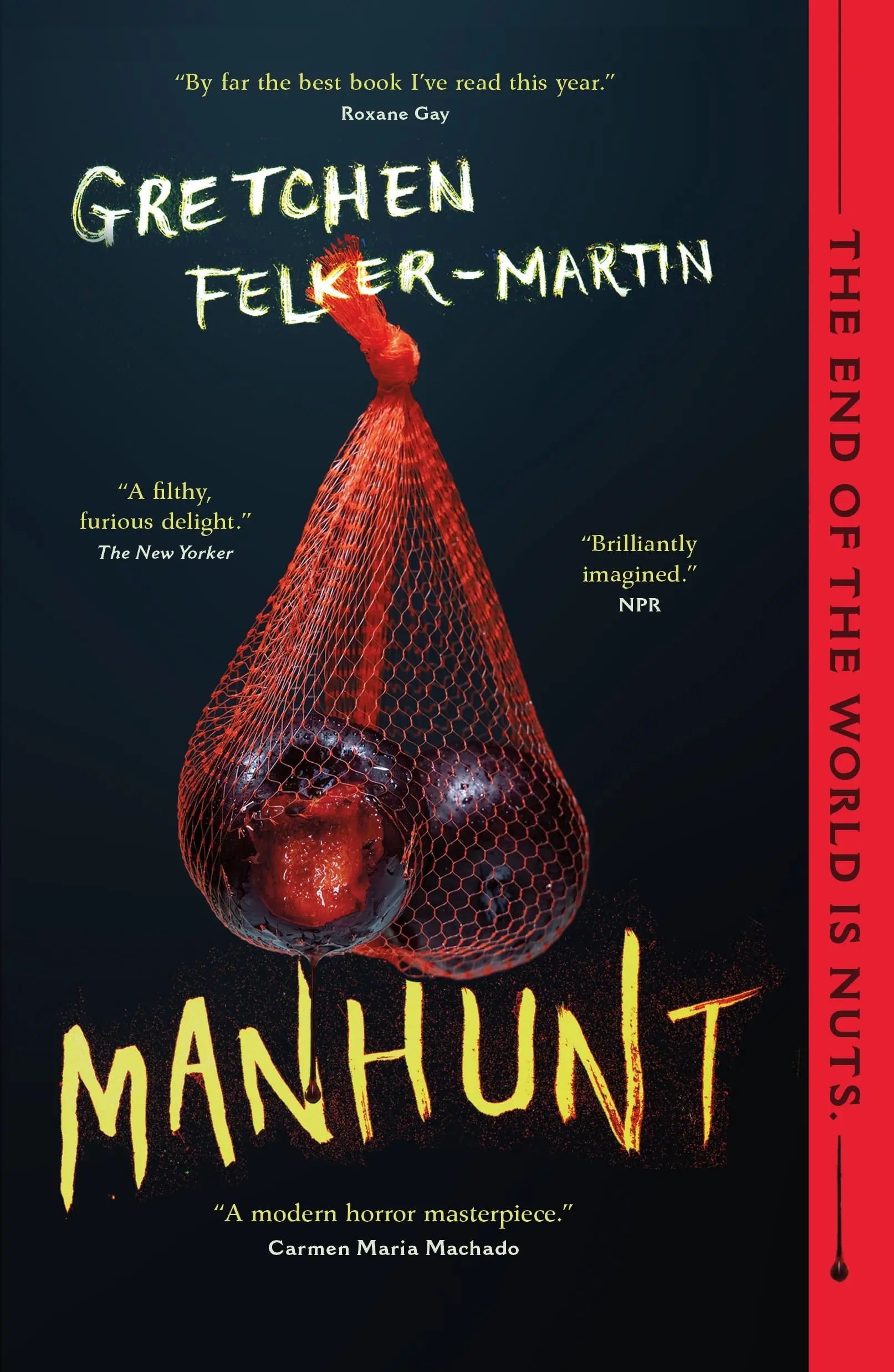
Introduction to Gretchen Felker-Martin
Gretchen Felker-Martin is quickly establishing herself as a significant voice in the realm of horror fiction. With her evocative writing style and keen exploration of societal themes, she has emerged as a key figure whose work resonates with a growing audience. Felker-Martin’s unique approach to storytelling—drawing on personal, dark, and often provocative themes—has captivated readers and critics alike, making her a crucial figure to watch in current literary discussions.
Recent Works and Themes
Felker-Martin’s latest novel, Manhunt, has been making headlines since its release earlier this year. The book tackles issues of survival, identity, and the human condition in a post-apocalyptic world. Critics laud her ability to combine visceral horror with deep emotional narratives, allowing readers to explore intense themes through a chilling lens. Through characters that reflect contemporary societal cruelty and vulnerability, she challenges readers to confront their own fears and prejudices.
Moreover, Felker-Martin is known for her candid discussions of gender and sexuality, frequently incorporating these elements into her narratives. This approach not only enriches her storytelling but also propels critical conversations within the literary community. The bold themes in her writing resonate particularly in today’s discourse around representation and the importance of diverse voices in literature.
Impact on Modern Horror
With her penetrating insights and engaging writing, Gretchen Felker-Martin is influencing a new generation of horror writers and readers. Her ability to weave personal experiences into broader societal reflections sets her apart. As the horror genre continues to evolve, her works remind us of the potential for literature to be not only entertaining but also transformative.
Conclusion: The Future of Gretchen Felker-Martin
As Gretchen Felker-Martin gains momentum within the literary world, her future endeavors are highly anticipated. With publishers eager to promote her innovative writing, she is likely to play a pivotal role in shaping the future of horror fiction. The conversations she promotes about gender, identity, and morality within her stories indicate a broader cultural shift occurring in the genre. For readers, her work presents an opportunity to re-examine their own perspectives on fear and empathy, ultimately solidifying her position as a necessary voice in modern literature.
 Evelyn Mensah
 Yaw Appiah
 Kwame Ofori