
Introduction
The Puskás Aréna, opened in 2019, represents a modern era of football infrastructure in Hungary. Named after the legendary footballer Ferenc Puskás, this state-of-the-art stadium serves as a centerpiece for national pride and sports culture. Its establishment marks a significant investment in sports, aiming to boost not only football but also Hungary’s image as a host for international sporting events.
Significance of the Puskás Aréna
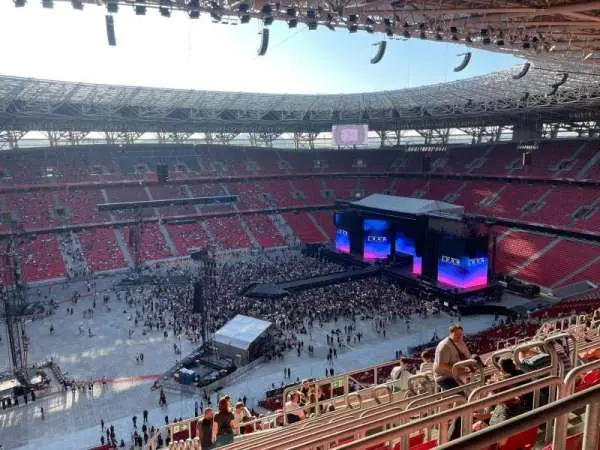
Located in Budapest, the Puskás Aréna is pivotal to the Hungarian sports scene. With a seating capacity of over 67,000, it is one of the largest stadiums in Europe and serves as home to the Hungarian national football team. The venue has hosted significant matches, including UEFA Euro 2020, showcasing its capabilities on an international scale.
Moreover, the architecture of the stadium is noteworthy. Designed by Hungarian architects and incorporating modern features, it represents both innovation and respect for tradition. The transparent façade, an iconic aspect of the design, reflects the passion of Hungary’s football supporters, allowing for a visible connection between the fans and what occurs on the pitch.
Recent Events and Developments
Since its opening, the Puskás Aréna has been at the forefront of important sporting and cultural events. In addition to regular national team matches, it has hosted prestigious fixtures, including club football matches and concerts, making it a multifaceted venue that fosters a community atmosphere beyond just sports.
In September 2023, the stadium was the site of an electrifying UEFA European Championship qualifying match, where Hungary faced off against a top-tier European nation. The event saw thousands of fans flocking to the venue, creating a vibrant atmosphere that underlined the stadium’s importance in bringing people together through sport.
Conclusion
The Puskás Aréna stands not just as a football stadium, but as a symbol of Hungary’s aspirations to reclaim its position in the heart of European football. As the venue continues to host key events, it is poised to play an essential role in the development of football culture in Hungary and aims to attract more international events in the future. The continued investment in facilities like the Puskás Aréna highlights the commitment to elevating Hungary’s profile on the global sports stage, making it a source of pride for its citizens and football fans alike.
 Ama Serwah
 Yaw Appiah
 Evelyn Mensah
 Kwame Ofori