
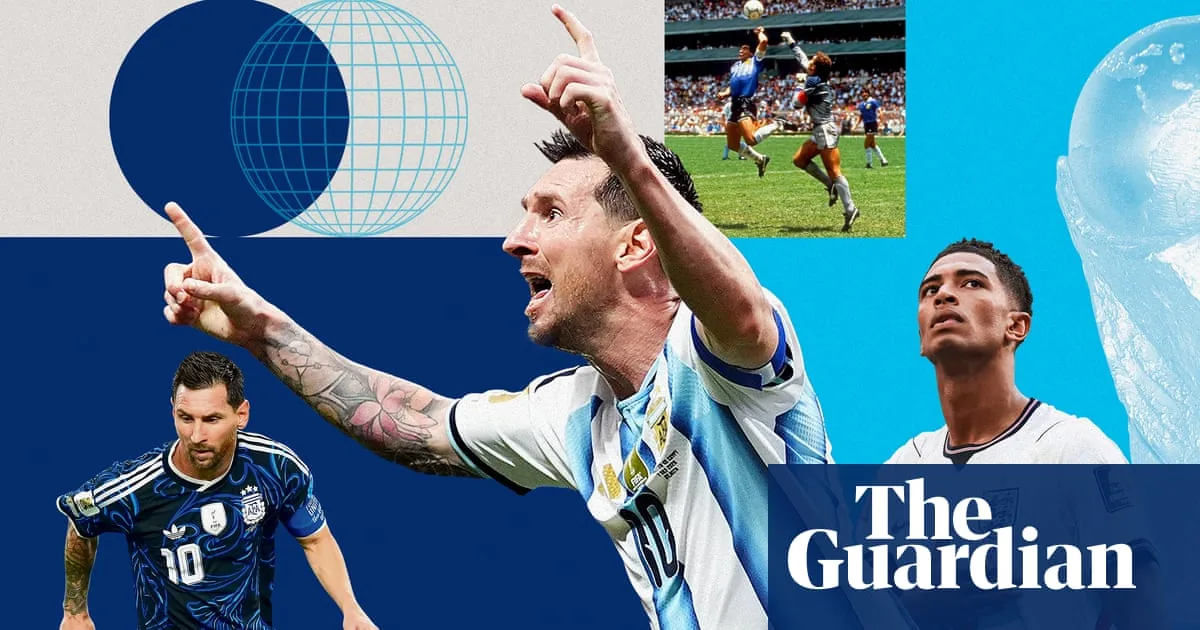
England is set to play Argentina in a World Cup semi-final match, a fixture that carries significant historical weight for both nations. This upcoming game in Atlanta is anticipated to be a highly charged encounter, drawing attention from various media outlets.
Newspaper headlines in England are looking forward to the semi-final. One publication encourages readers to “Roar On” Thomas Tuchel‘s team, while another declares, “You can do this.” The England squad is described as “Harry Kane’s brave band of heroes,” with calls for them to “bring it home.”
Historical Context of the Rivalry
The rivalry between England and Argentina extends beyond the football pitch, rooted in historical events. The dispute over the Falkland Islands, known as “Las Malvinas” in Argentina, is a significant factor. This archipelago, located in the Atlantic, has been a point of contention since the 19th century, with a 74-day conflict occurring in 1982. The war resulted in casualties, predominantly Argentine soldiers, and the islands remaining under British control.
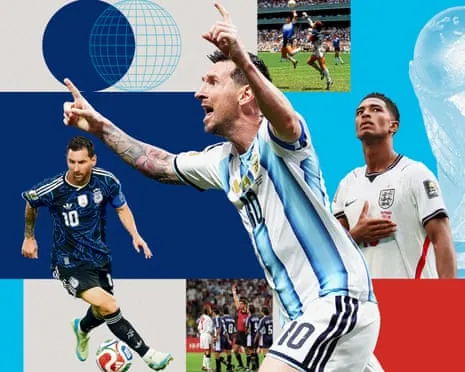
On the field, past encounters have been marked by controversy and intense emotion. The 1986 World Cup quarter-final is a notable example, where Diego Maradona scored both a controversial handball goal and a widely acclaimed goal within minutes. This match, which Argentina won 2-1, is often viewed by Argentinians as a form of revenge for the Falklands War.
Another memorable match occurred in 1998 during the World Cup round of 16. This game saw David Beckham receive a red card after an incident with Diego Simeone. Despite playing with 10 men, England managed to push the game to extra time before being defeated on penalties. The match was described as a classic, with goals from Gabriel Batistuta, Alan Shearer, Michael Owen, and Javier Zanetti.
Player Perspectives and National Identity
Argentina coach Lionel Scaloni has emphasized that the upcoming match is “just a football game,” acknowledging England as a formidable opponent with an excellent coach. However, the emotional connection to the rivalry is evident among Argentine players, who have been heard singing about Maradona and “the boys from Malvinas.”
Former England player Gary Stevens, who was part of the 1986 squad, recalled that the political undercurrent of the Falklands War was not acutely felt within the England camp at the time. However, the animosity from the England team’s perspective stemmed from the on-pitch events, particularly Maradona‘s handball goal, which was protested by players like Peter Shilton.
The national identity of Argentina is deeply intertwined with its footballing history and the legacy of figures like Maradona. The victory over England in 1986, for instance, has gained a significance that some consider to be greater than the World Cup final itself in symbolic terms for Argentina.
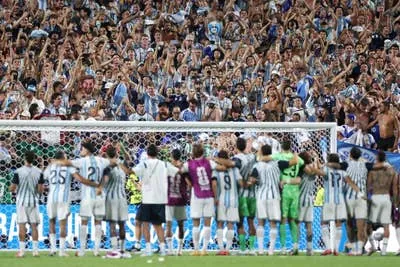
For England, the rivalry is primarily a football one, though the depth of feeling is expected to be reasserted in the upcoming match. Both nations view football as holding significant importance in their national sense of well-being.
The Messi Factor
The upcoming semi-final will also feature Lionel Messi, who has not previously played against England at the international level. However, Messi has a history of playing against Premier League clubs, with his first notable encounter being the 2009 Champions League final. Since then, he has played 26 games against English clubs, winning 17 and scoring 27 goals.
His performances against English clubs include memorable displays at the Etihad Stadium against Manchester City and at Wembley against Tottenham. While Messi has had success, his five losses against English club teams have come against opponents known for their high tempo and physical pressure, suggesting a potential strategy for England.
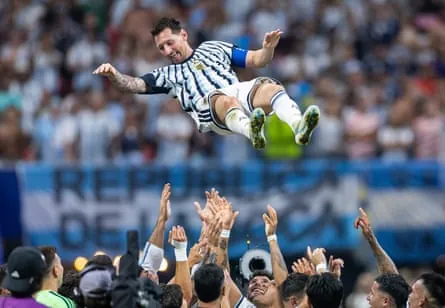
The presence of Messi adds another layer of intrigue to the match, with some suggesting that the entire World Cup has been building towards this moment for England and Argentina. The match is expected to be a contest of will and aura, with both teams bringing a strong emotional element to the field.
Source: bbc.co.uk
 Ama Serwah
 Yaw Appiah
 Evelyn Mensah
 Kwame Ofori