
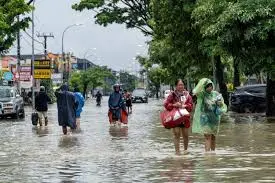
Introduction: The Urgent Issue of Bali Floods
In recent weeks, Bali has faced significant challenges due to severe flooding caused by unprecedented rainfall and climate change. The floods are not merely an environmental issue; they impact the livelihoods, safety, and infrastructure of thousands of residents and tourists alike. Understanding the implications of these floods is vital for both local and global communities as climate-related events become increasingly common.
Details of the Flooding Crisis
On the weekend of October 14th, 2023, heavy rainfall led to rivers overflowing, resulting in widespread flooding across the island. Regions such as Ubud, Denpasar, and Amlapura were particularly hard hit, with emergency services reporting that over 1,500 homes were inundated. Reports indicate that local authorities struggled to manage the crisis effectively, with many roads rendered impassable, causing transportation disruptions and delays in emergency aid reach.
Additionally, local businesses, especially in the tourism sector that rely heavily on visitor footfall, reported substantial financial losses. The flooding occurred just before the year-end holiday season, crucial for the island’s economy, leading to widespread concern among stakeholders. Affected residents have been evacuated to temporary shelters where conditions are precarious, and immediate assistance is critical.
Government Response and Community Support
In light of the disaster, the Indonesian government has mobilised resources to assist affected areas. Local emergency response teams, supported by volunteer organisations, have been working tirelessly to provide food, clean water, and medical assistance. Fundraising events and donation drives have sprung up within Bali and across Indonesia to provide relief to displaced families.
However, the long-term effects of recent floods cannot be overlooked. Experts warn that such climate-related events will become more frequent and severe without structural changes in urban planning and disaster management. Local NGOs advocate for improved drainage systems, flood risk assessments, and community education programs to build resilience against future disasters.
Conclusion: Looking Ahead
The recent floods in Bali serve as a stark reminder of the vulnerability of tropical regions to climate change. As locals begin to recover from this disaster, there is a pressing need for integrated approaches to disaster risk reduction. Only through combined efforts of government, NGOs, and communities can Bali hope to mitigate such severe flooding in the future. As we advance, addressing the root causes of climate change and enhancing preparedness will be crucial in protecting lives and livelihoods on this beautiful island.
 Yaw Appiah
 Evelyn Mensah
 Kwame Ofori