
Introduction
The term ‘slow horses’ may evoke images of lethargic creatures, but in the realm of contemporary literature and television, it signifies a captivating espionage narrative that reflects on the darker side of intelligence services. This concept, vividly captured in Mick Herron’s acclaimed series, is not just about spies but also explores themes of loyalty, failure, and redemption. With the recent adaptation of ‘Slow Horses’ into a television series on Apple TV+, the story has gained considerable traction, resonating with audiences keen on complex storytelling.
Main Body
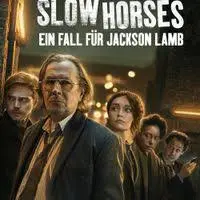
Set in a dilapidated MI5 department known as Slough House, the series follows a group of disgraced intelligence operatives, often referred to as the ‘slow horses’ because of their tarnished reputations and lack of agency. The main character, Jackson Lamb, played masterfully by Gary Oldman, is a cantankerous leader with a keen sense for both humour and espionage.
The Apple TV+ adaptation, first released in April 2022, has received widespread praise for its sharp writing and intricate plotlines. With its second season recently airing, the show continues to delve into the chaotic lives of these agents, who, despite being sidelined, find themselves embroiled in dangerous investigations. The series expertly reflects the complex landscape of contemporary spydom, where traditional views of heroism are challenged, and moral ambiguity reigns.
Audiences are drawn not only to the suspenseful plots but also to the character development. Each agent’s backstory reveals a rich tapestry of failures and regrets, adding depth to their motives and actions. The narrative cleverly intertwines black humour with moments of real emotional weight—highlighting that these ‘slow horses’ often embody the hidden intelligence behind the façade of mundane operations.
Conclusion
As ‘Slow Horses’ continues to capture the attention of viewers, it raises pertinent questions about the nature of espionage in the 21st century. The series not only entertains but also invites audiences to reconsider the ethics of intelligence work and the human stories behind the façade of a counter-terrorism operation. Given the momentum it has gained, there is an expectation for further adaptations and possibly more explorations into Herron’s universe of espionage. For readers and viewers alike, ‘Slow Horses’ delivers a refreshing, if at times unsettling narrative about what it means to be a spy today—reminding us that sometimes, the slowest horses have the most intriguing journeys.
 Evelyn Mensah
 Yaw Appiah
 Kwame Ofori