
Concerns over World Cup integrity
The Group of Copenhagen, an independent international network, has identified seven instances of potential match manipulation linked to betting irregularities during the 2026 FIFA World Cup. These concerns have been formally communicated to FIFA, with the group seeking clarification on what it terms ‘yellow notices’. This comes despite FIFA’s Integrity Task Force previously stating that no suspicious betting activity or indications of match manipulation were found throughout the competition.
The Group of Copenhagen operates under the Council of Europe’s Macolin Convention, a multilateral treaty focused on combating match-fixing through international legal frameworks. The organization monitored all 104 matches of the tournament for unusual betting patterns and other potential issues.
Key incidents flagged by the report
Among the situations highlighted in the report is the overturning of Folarin Balogun’s one-game suspension. Balogun, a United States player, received a red card during their Round of 32 victory against Bosnia and Herzegovina. He was expected to miss the subsequent Round of 16 match against Belgium. However, his red card was later overturned following intervention from President Donald Trump, making him available to play.
A notable aspect of the Balogun situation involved betting market activity. According to reports, the platform Polymarket opened a betting market on July 2, the same day Balogun received his red card, asking, ‘Will Folarin Balogun play against Belgium?’ This market was opened before FIFA’s Disciplinary Committee confirmed on July 5 that Balogun’s ban had been suspended. The Group of Copenhagen’s report indicated that Polymarket did not open similar markets for any of the other 14 players who received red cards during the tournament, none of whom had their bans suspended.
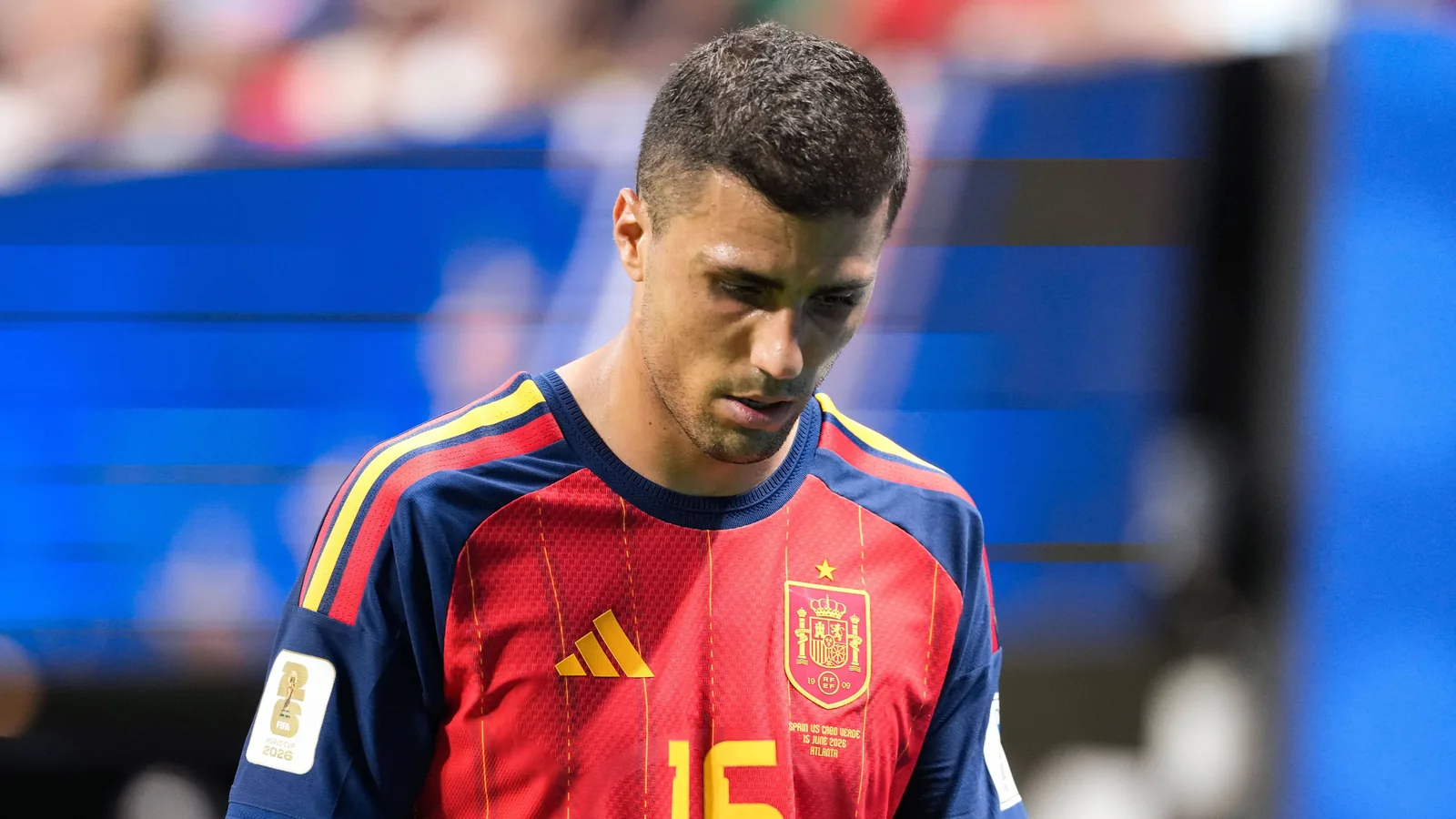
Other issues raised by the report include the red card shown to South Africa’s Themba Zwane in the tournament’s opening game against Mexico. Additionally, the report noted a significant stake of $4.8 million on markets for Spain not to defeat Cape Verde in their group-stage game, which concluded in a 0-0 draw. Another point of concern was a three-and-a-half-minute delay by the video assistant referee (VAR) team to disallow a goal from Spain’s Ferran Torres during their 4-0 victory over Saudi Arabia.
Challenges in oversight and integrity
The Group of Copenhagen has formally requested an official explanation from FIFA regarding these events. This request creates friction, given FIFA’s earlier assertion that no suspicious betting activity was detected. The scale of the betting market during the World Cup adds to the complexity, with an estimated $240 billion reportedly wagered, which is approximately double the amount from the previous edition of the tournament.
According to betting expert Christian Kalb, caution is necessary when interpreting unusual betting patterns, as they can sometimes be attributed to legitimate factors such as bookmakers managing risks. However, Kalb also acknowledged that the possibility of insider knowledge could present a serious problem for the integrity of the sport. The emergence of new prediction markets further complicates oversight efforts, posing fresh challenges for maintaining integrity in football.
The Group of Copenhagen has shared its report with FIFA and awaits clarification on the yellow notices it has issued.

Source: sports.yahoo.com
 Ama Serwah
 Yaw Appiah
 Evelyn Mensah
 Kwame Ofori