
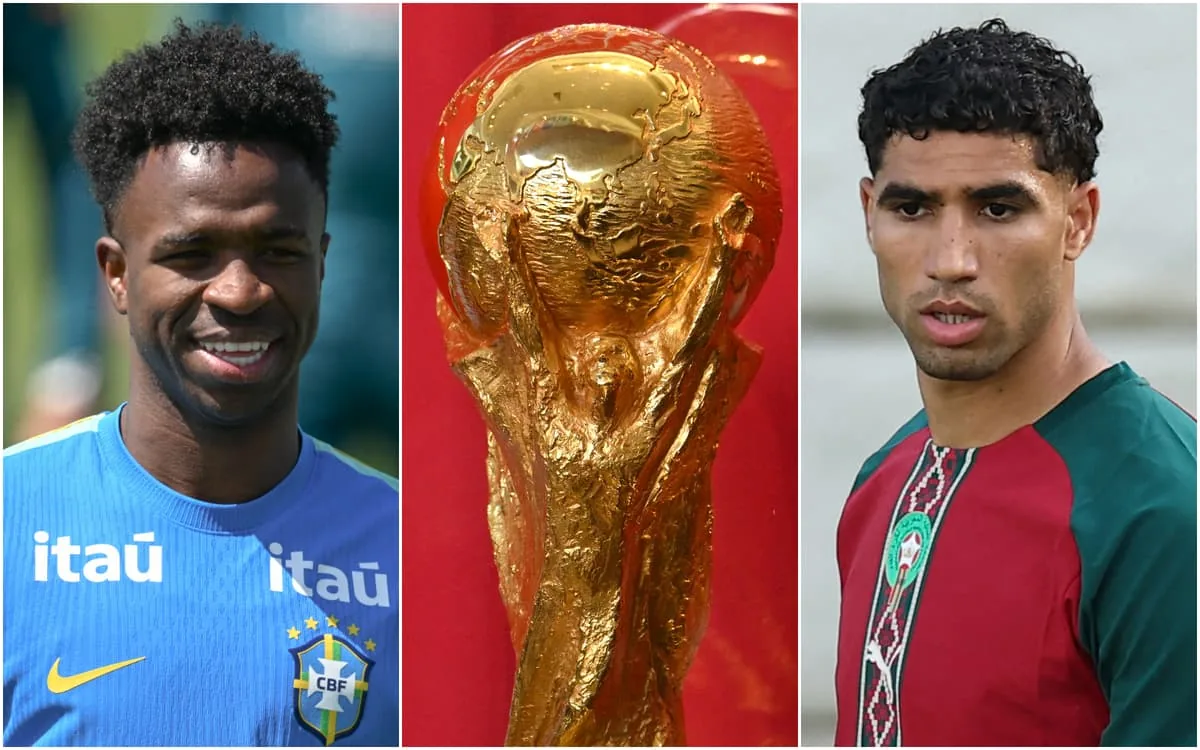
Opening Match Ends in Draw
The opening match of Group C in the World Cup 2026 saw Brazil and Morocco play to a 1-1 draw at the MetLife Stadium in East Rutherford, New Jersey. The game, described as a crucial curtain-raiser for both sides, concluded with the teams sharing points.
The match featured late drama, including a free kick for Morocco in the 98th minute after Fabinho conceded a foul on Salah-Eddine. However, El Mourabet’s delivery from the set-piece did not result in a goal. Earlier, in the 95th minute, Danilo opted for a shot from an angle instead of passing to teammates in the box, a decision that reportedly surprised Marquinhos.
The referee added 10 minutes of stoppage time at the end of regulation play. During this period, Cunha delivered a corner that was punched away by Bono. Substitutions in the latter stages of the game included Rahimi replacing Saibari for Morocco, and Danilo coming on for Guimaraes for Brazil. Mazraoui and Ounahi were also replaced by Salah-Eddine and Amaimouni, respectively.
Team Preparations and Form
Morocco, who reached the semi-finals in the last World Cup, entered the tournament with a reputation as potential dark horses. They were the first African nation to reach the semi-finals four years ago, achieving victories against Belgium in the group stage, Spain on penalties in the round of 16, and Portugal with a 1-0 score in the quarter-finals. The team maintained a strong defensive record in that tournament, keeping four clean sheets in five matches before the semi-finals.
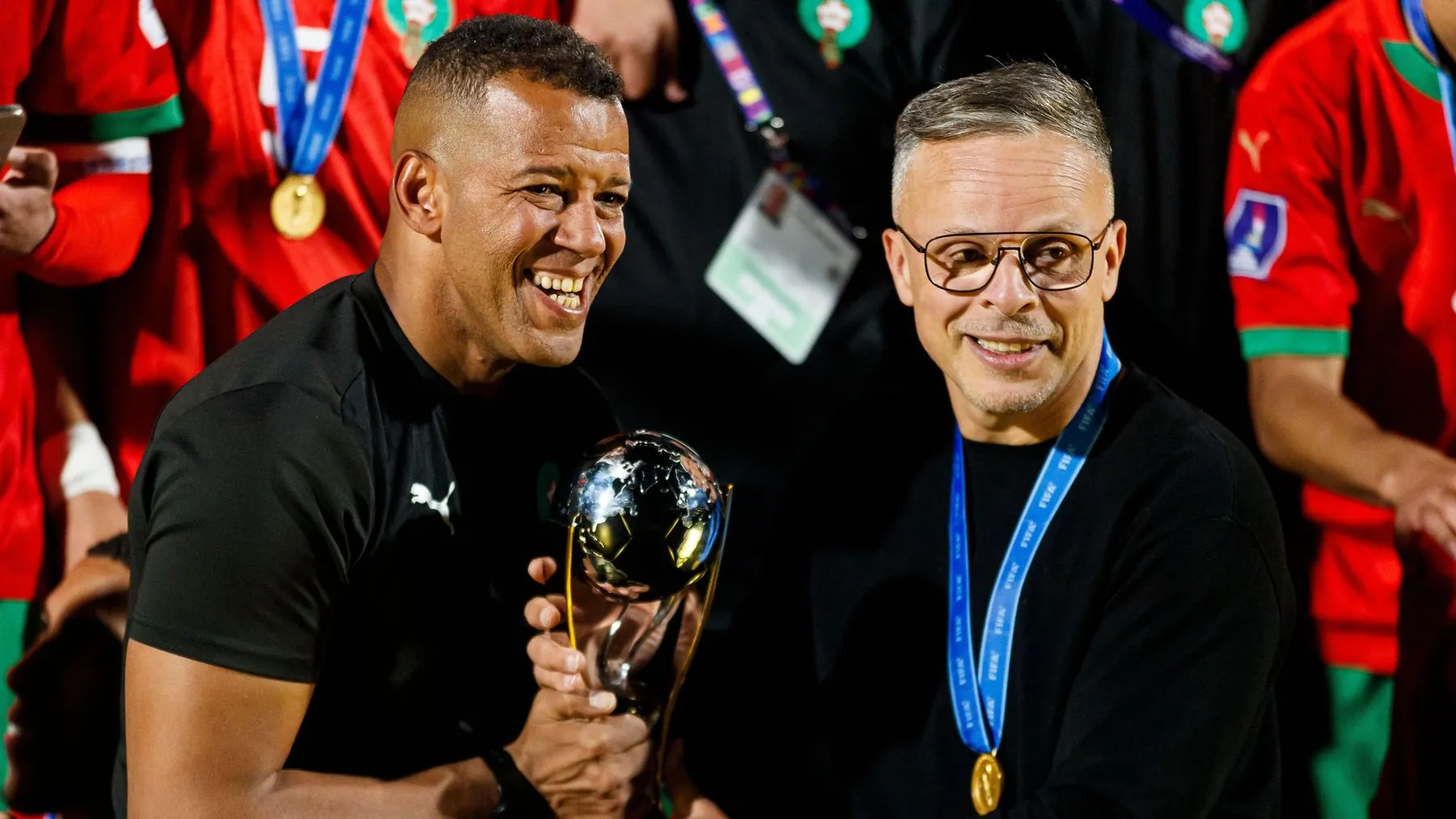
Following the previous World Cup, Morocco experienced changes, including the appointment of Mohamed Ouahbi as head coach, replacing Walid Regragui. Ouahbi, who previously led Morocco’s U20 team to a World Cup title, has integrated some of his young talents into the senior squad. The team’s defensive strength remains a characteristic, having conceded only twice in eight qualification games. Additionally, Achraf Hakimi of PSG and Brahim Diaz of Real Madrid are noted for forming a strong partnership on the right side, enhancing Morocco’s counter-attacking threat.
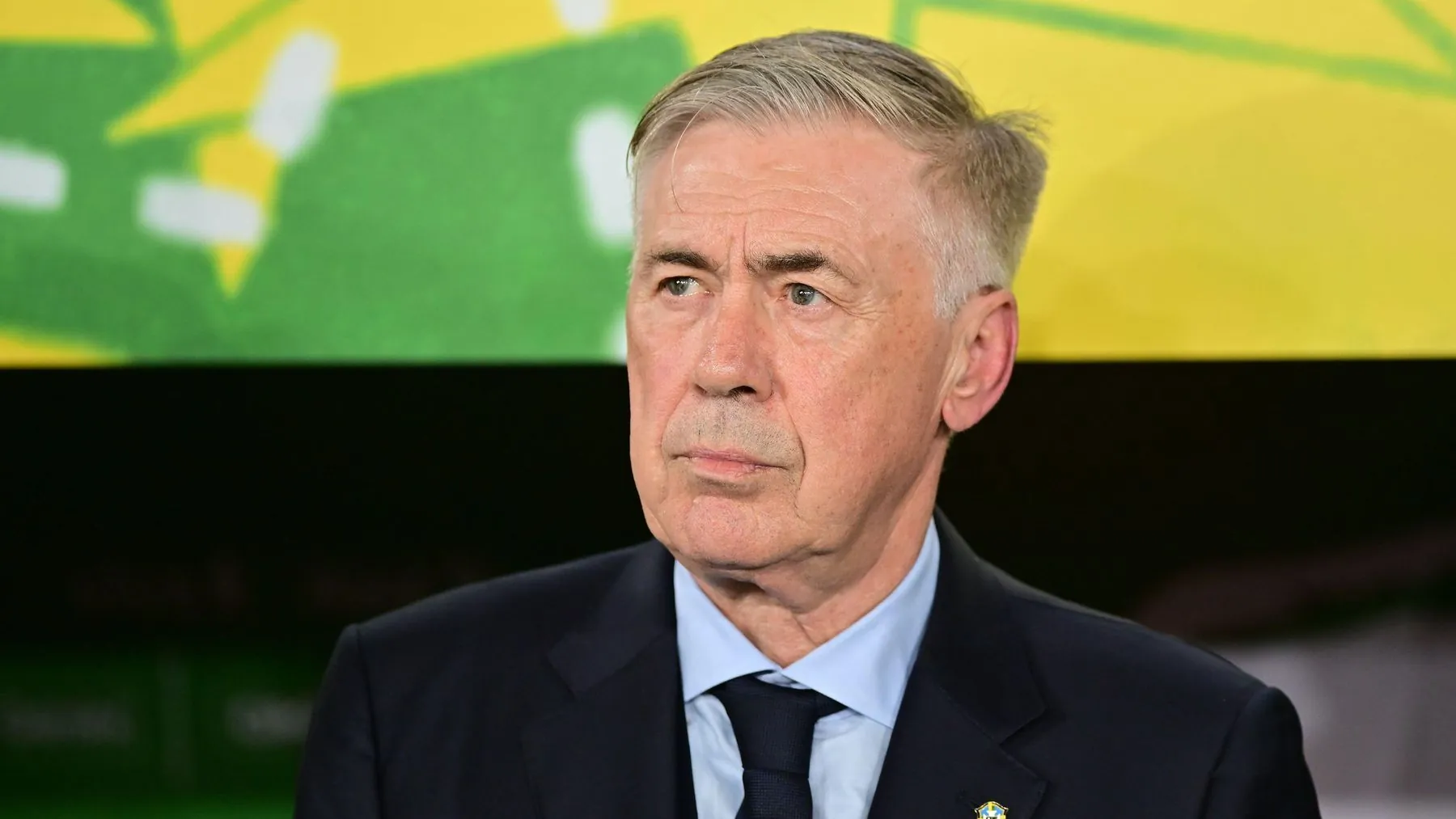
Brazil, under their first foreign coach, Carlo Ancelotti, faced challenges during their CONMEBOL qualification campaign, which saw them go through three managers and finish fifth on goal difference. Ancelotti, appointed after a 4-1 defeat to Argentina, reinstated Casemiro and included Neymar in the squad for the finals. His main objective is to balance an experienced midfield with a talented attacking lineup, experimenting with formations such as 4-2-4 and 4-3-3.
Morocco was recently awarded the Africa Cup of Nations title on paper after a controversial final. They had lost 1-0 to Senegal in January, with Pape Gueye scoring. However, Senegal left the pitch in protest after a stoppage-time penalty was awarded to Morocco, leading to a 3-0 forfeit victory for Morocco. The Court of Arbitration for Sports (CAS) is currently reviewing an appeal from Senegal regarding this decision.
Player Focus and Match Officials
Casemiro, a key player for Brazil, has been noted for his disciplinary record. He received two cards in Brazil’s last four friendlies, two in seven qualification games, and 12 in 34 Premier League appearances for Manchester United. His role in midfield could see him isolated against Morocco’s fast counter-attacks.
The match official was Slavko Vincic. In a previous match, the Champions League quarter-final second leg between Bayern Munich and Real Madrid, Vincic issued six yellow cards and two red cards. He also showed five yellow cards in his last international appearance.
The draw marks the beginning of the World Cup 2026 Group C campaign for both Brazil and Morocco.
Read Also
Source: sportinglife.com
 Yaw Appiah
 Ama Serwah
 Evelyn Mensah