
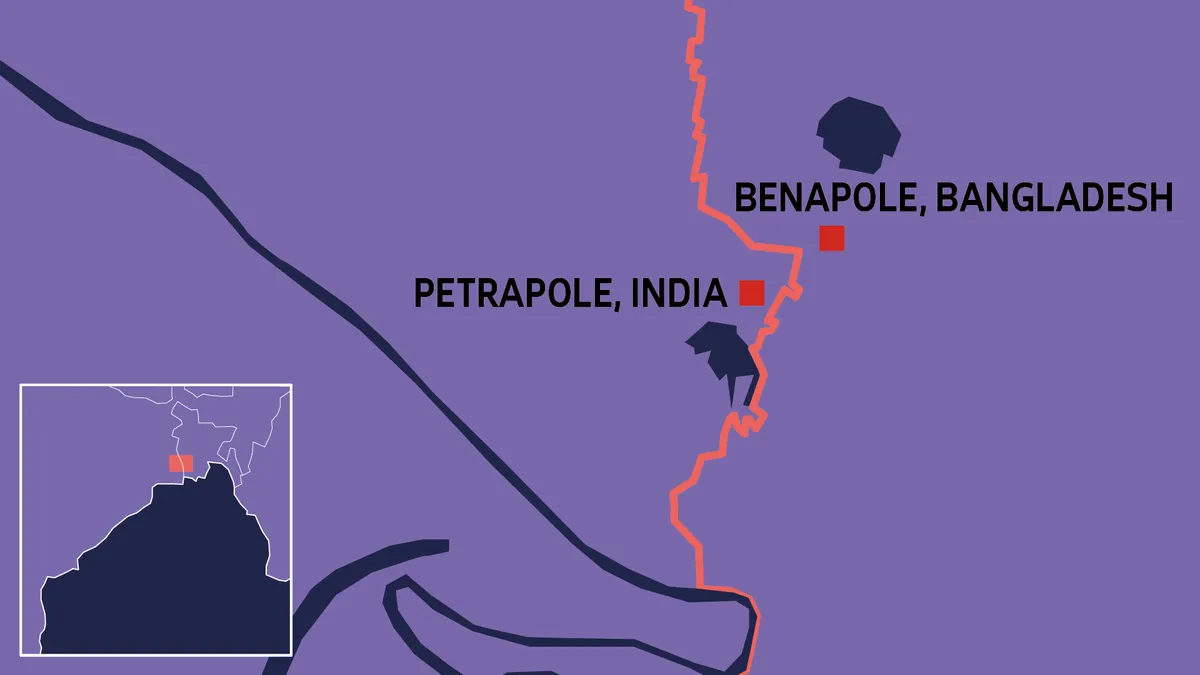
India’s controversial plan to use crocodiles and snakes as a means of border security along the Bangladesh border has raised significant ethical and ecological concerns. The initiative aims to deter undocumented migration and smuggling across the 4,096 km long boundary.
The Border Security Force (BSF) has been tasked with exploring the feasibility of deploying these reptiles in vulnerable areas, particularly riverine gaps. However, environmentalists warn that crocodiles are not native to these stretches, which could lead to unintended consequences for local ecosystems.
Angshuman Choudhury, an environmental advocate, remarked, “This would be hilarious if it weren’t sinister and dangerous.” He emphasized that introducing non-native species could disrupt existing wildlife. Harsh Mander, a human rights activist, added, “These animals cannot do what the Indian state is unable to: to identify who is an ‘illegal infiltrator.’”
The swampy areas along the border are prone to flooding. This raises fears that local communities might face danger from these animals. Residents worry about their safety, especially since many depend on these waters for daily activities.
Historically, the relationship between India and Bangladesh has been fraught with tension due to various issues, including water disputes and trade imbalances. The Bangladesh Nationalist Party (BNP) has criticized India’s approach towards undocumented migrants as cruel and dehumanizing.
Rathin Barman, an ecologist, warned, “If we do impose [this], it may intervene in the entire chain or ecosystem.” This sentiment echoes a broader concern among observers about how such measures could backfire.
The energy crisis in Bangladesh adds another layer of complexity to this situation. Approximately 63% of the country’s crude oil comes from the Middle East. Analysts predict that disruptions at the border could exacerbate economic challenges for many families relying on cross-border trade.
Tarique Rahman of the BNP stated, “Our relationship with India or China is not a zero-sum game.” This highlights a desire for mutual respect in managing shared resources and addressing migration issues.
As discussions continue around this controversial plan, many hope for a more humane approach that considers both security needs and environmental impacts. No timeline has been shared regarding when these measures might be implemented.
 Yaw Appiah
 Evelyn Mensah
 Kwame Ofori
 Ama Serwah