
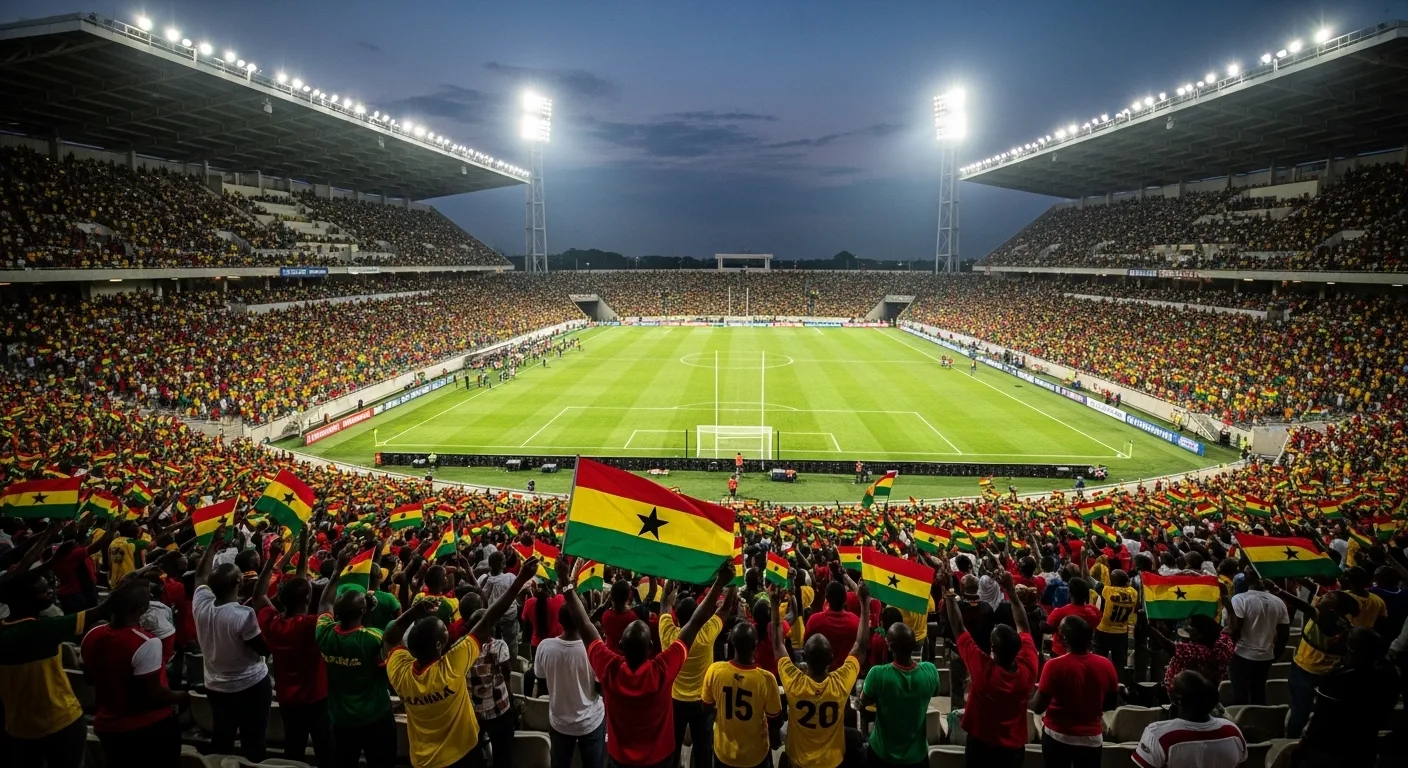
In Ghana, the search rush around afcon is driven less by final scores and more by timing, rumours, and late team news that can change how a match is read. Many searches combine football passion with practical checks like who starts, who is suspended, and how a draw reshapes qualification pressure. Because of that, the african cup of nations is often treated like a moving puzzle rather than a fixed headline, and that mindset helps keep decisions calmer. When context is reviewed first, it becomes easier to filter noise, avoid rushed assumptions, and focus only on details that genuinely affect expectations.
Afcon qualifiers: What the schedule tells Ghana punters
CAF publishes the official AFCON calendar and group pages on the competition hub. Under the AFCON regulations, the organising committee decides the qualifying calendar, the order of matches, and the number of teams that advance, while the latest FIFA ranking published before the draw is used to set the team levels. For a Ghana-facing explainer, this section should direct readers to official fixtures, group pages, and confirmed national-team announcements rather than to rumours or implied market movement.
Afcon qualifiers group rules, points, and tiebreakers explained
Group rules are usually where the calm reader separates from the panic reader, because small details decide who advances. With afcon qualifiers, three points for a win is the headline, but the real twist comes when teams finish level and the order is decided by separators. CAF applies a fixed points system in the group matches: 3 points for a win, 1 for a draw, and 0 for a loss. If two teams finish level, CAF first checks points in the matches between them, then goal difference in direct encounters, away goals in direct encounters, overall goal difference, overall goals scored, and finally lots. If more than two teams finish level, CAF again starts with the results among the tied teams before moving to overall group data.
Search timing in Ghana: draws, deadlines, and betting buzz
Before publication, confirm three things only: the official fixture on the CAF competition page, the current group context on the official groups page, and the latest Ghana squad or team update on CAF or Ghana FA channels. Any sentence built on “buzz”, “late chatter”, or assumed punter behaviour should be deleted because the official sources do not support it.
- Confirm the match is officially scheduled and not quietly adjusted.
- Check whether the team news is confirmed or still only expected.
- Review recent minutes played, because roles can change quickly.
- Verify what each result would actually change in the group picture.
- Note any suspension or discipline risk that could force a late switch.
- Set a clear stake limit and avoid changing it mid-scroll.
After running through the list, the buzz feels more like usable information than pressure. It also reduces the chance of copying someone else’s confidence without their context. When anything stays unclear, it’s safer to treat it as a warning sign and stay disciplined.
Africa cup of nations standings: Reading tables like a bettor
Standings should be explained through official ranking logic, not through bettor psychology. On CAF competition pages, readers should check matches played, points, and the relevant tie-break criteria, because teams level on points can still be separated by direct encounters and subsequent official separators. Rewrite this section so it explains how the table is read on the official competition page.
Tiebreakers that change markets late in groups
At AFCON qualification level, tied teams are separated by direct results before overall group totals. For two-team ties, CAF uses points in direct matches, goal difference in direct matches, away goals in direct encounters, overall goal difference, overall goals scored, then lots. For ties involving more than two teams, CAF again starts with the matches among the tied teams before moving to overall group data.
| Standings element | What it tells you | Common Ghana search wording | Betting relevance |
| Games played | Context for uneven schedules and delayed fixtures | “games played” / “played” | Helps avoid misreading positions as true strength |
| Points | Primary ranking signal across groups | “points” | Drives outright and group-winner pricing shifts |
| Goal difference | First widely used separator in many formats | “goal difference” | Impacts qualification permutations late in groups |
| Goals scored | Often next separator after goal difference | “goals scored” | Signals attacking intent, affects totals markets |
| Head-to-head | Used in some tie cases, depending on competition rules | “head to head” | Can flip qualification expectations between two teams |
| Discipline / fair play | Rare but sometimes decisive separator | “fair play” | Low frequency, but high impact if a group is tight |
Group tables versus knockout wins: what punters should compare
CAF organises the Africa Cup of Nations in two phases: a qualifying phase and a final phase. Keep the standings explanation inside the group-stage logic and move any knockout reference to a separate factual note about the competition structure. Remove the speculative language about nerves, timing, and punter reactions.
Ghana national football team players bettors track in Ghana
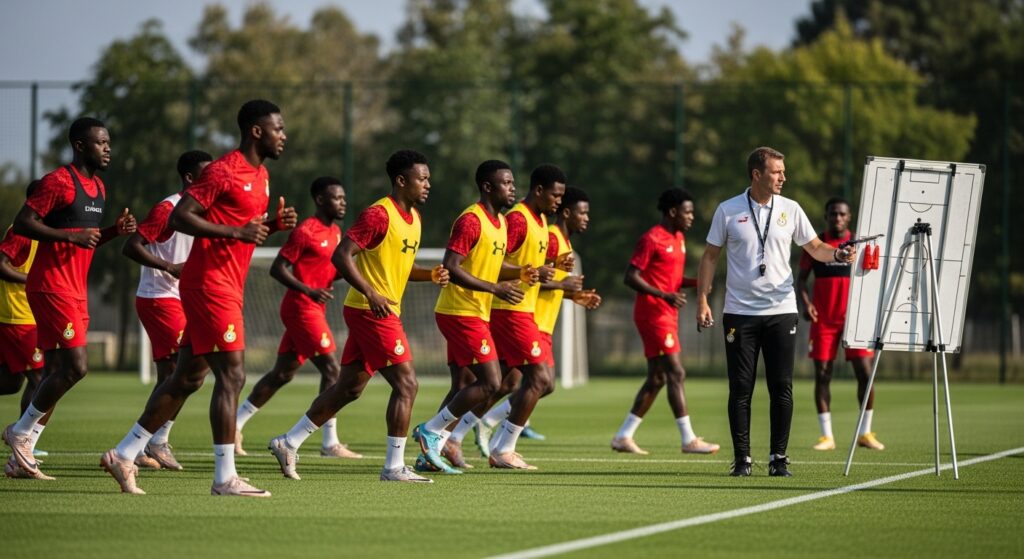
Build this section around officially confirmed Ghana squads only. In CAF’s published AFCON squad release, Ghana were identified as the Black Stars and placed in Group B with Egypt, Cape Verde, and Mozambique, while the squad itself was listed by position. Keep that same structure here: name the confirmed squad source, list players by role, and avoid any language about hype or assumed market response.
Afcon squad updates that swing odds overnight fast
Squad updates should come only from official team and competition channels. Ghana FA and CAF publish named squads, training reports, and official player changes, which are the only safe basis for this section. Replace all wording about rumours and odds swings with confirmed call-ups, withdrawals, and official availability updates.
Signals from camp, injuries, and form Ghana punters notice
Use only official update types here: published squad lists, confirmed arrivals in camp, official training reports, and formal notices about player availability. Ghana FA training reports identify which players trained, who arrived later, and which players were still expected in camp. Delete the current speculative checklist and replace it with verified team-update language.
- Limited training sessions instead of full drills for a likely starter
- A return to action that only includes late substitute minutes
- A switch in set-piece takers during warm-ups or low-stakes games
- Hints about carefully managing minutes for key players
- Repeated mentions of tightness or fatigue around the same player
- A consistent shift in shape during camp sessions
After spotting these signals, the key step is deciding what they change, not just collecting them. Some clues affect tempo and chance quality, while others touch specific player involvement early on. When uncertainty stays high, reducing exposure beats forcing a confident call.
Afcon matches today and the search rush in Ghana
For matchday coverage, send the reader first to the official CAF schedule and results page. That page separates the calendar and groups, allowing the article to verify kickoff information and competition context without relying on fast-moving rumours. Remove the current paragraph about search rush and replace it with a direct explanation of where official matchday information is published.
Afcon kickoff windows behind Ghana’s peak mobile searches
Kickoff windows matter because they shape when information becomes stable enough to trust. Early in the day, you might see predicted line-ups, but closer see predicted line-ups, but closer to kickoff you usually get firmer signals. Ghana punters also tend to check multiple fixtures in a short burst, which can create emotional spillover from one game to the next. The clean move is to treat each match as its own decision and reset your thinking each time. That reset keeps your judgement from drifting.
Today-search habits: sharp info gains, but riskier decisions
Today-search behaviour can be useful, but it can also tempt you into hurried choices when the market is already moving. The advantage is that late clarity reduces guesswork, yet the drawback is that noise increases as everyone searches the same thing. If you treat today searches as confirmation, not discovery, you stay more grounded. The goal is to use the last hour for checks, not for building a whole theory from scratch. That’s how you keep emotion from driving your stake.
| Pros | Cons |
| Faster last-hour clarity on confirmed line-ups and late changes, which reduces guesswork and helps punters avoid stale assumptions. | Heavy reliance on “today” searches can push rushed bets, especially when alerts arrive late and the market has already moved. |
| Live search intent often clusters around key match variables (kickoff time, venue, injuries), letting punters prioritise what shifts prices. | Search results often mix previews, rumours, and recycled pages, so punters may absorb noise that harms disciplined decision-making. |
| Quick comparison of multiple fixtures in one session supports better bankroll planning, instead of over-staking on a single emotional pick. | |
| Seeing rapid standings context alongside fixtures helps punters judge motivation, but only when treated as context rather than certainty. |
African cup of nations brand power in Ghana betting culture
The african cup of nations has a pull in Ghana that goes beyond fixtures, because it taps into identity, rivalry, and pride. People don’t just watch; they debate, predict, and retell old moments like they happened yesterday. In that setting, the tournament becomes shorthand for a whole season of conversations, not a single match. That emotional energy is why searches surge even between windows. The key is to enjoy the culture without letting it hijack your judgement.
History that keeps Ghana hooked
History matters because it shapes expectations, and expectations often shape markets. Ghana fans remember both heartbreak and brilliance, so the mood can swing quickly when a familiar storyline appears. Some punters lean too hard on legacy, though, and forget that squads change and styles evolve. The steady way to use history is as background, not as proof. That keeps nostalgia from becoming a blindfold.
Tournament rhythm: phases, match volume, and common bet types
Tournament rhythm is one of the easiest things to ignore and one of the most expensive things to misunderstand. In busy phases, information comes fast and fatigue builds, while in knockout phases, pressure changes how teams play. Ghana bettors often search different things depending on the phase, and those searches hint at what markets will feel “hot.” If you match your approach to the phase, you reduce surprise and improve consistency. That’s the practical edge: fewer emotional bets, more planned bets.
| Phase | Typical match volume | What Ghana bettors search | Betting angle it affects |
| Qualifiers | Spread over windows, fewer games per day | “form”, “squad”, “qualification maths” | Early pricing inefficiencies, travel and rotation risk |
| Group stage | High volume, multiple games daily | “standings”, “kickoff”, “injury updates” | Motivation, totals, and late permutations |
| Round of 16 | Single-elimination, compact schedule | “draw”, “extra time”, “penalties” | Risk management, overtime-related markets |
| Quarter-finals | Fewer games, sharper markets | “team news”, “tactics” | Match-up pricing, player props sensitivity |
| Semi-finals | Very few games, heavy attention | “starting XI”, “suspensions” | Public bias, price swings close to kickoff |
| Final | One marquee game | “line-ups”, “odds movement” | Volatility from sentiment and late information |
Africa cup of nations naming quirks and search intent
The keyword mess happens because people shorten names, mix old habits with new branding, and type what feels natural in the moment. That’s why some searches can overlap with terms that look similar but point to different competitions. In Ghana, many users also type quickly, so spelling and spacing vary a lot. The smart move is to recognise the intent behind the search, not only the exact words. Once you do that, you can find the right info faster and avoid confusion.
Africa cup of nations naming, branding, and keyword overlap
Naming overlap matters because search results can blend pages that are talking about different stages or even different tournaments. People sometimes assume the first result is the right one, yet the details inside may be for a different year or a different format. Ghana punters also see recycled previews, and those can carry outdated squad info. A simple discipline is to check whether the content matches the stage you are actually looking for. That one check reduces errors more than any fancy strategy.
Short forms Ghana users type, and what they mean
Short forms are usually about speed, not ignorance, and most Ghana users just want the quickest route to clarity. Some type acronyms, others type full names, and both can land on mixed results if you don’t refine your intent. A good trick is to add one extra word that signals what you need, like “group,” “squad,” or “kickoff,” instead of only the tournament name. That keeps your search from drifting into unrelated pages. When your search is clean, your decisions tend to be cleaner too.
African nations championship and Ghana’s interest in home-based stars
The tournament draws attention in Ghana because it spotlights local-league talent under a different kind of pressure. Fans like seeing who can carry form from home pitches into a national setting. Bettors also watch because unfamiliar names can create mispricing when the public is guessing. The key difference is that the player pool is not the same as in other CAF competitions, so assumptions travel poorly. If you respect that difference, your reading becomes sharper.
CHAN focus: home-based talent and different tournament pressure
Home-based tournaments often highlight organisation and cohesion more than individual star power. Ghana watchers notice which teams have settled patterns, because that often matters more than a single flashy player. The pressure also feels different, since players are proving themselves for bigger moves and wider recognition. That mix can lead to tight games where small mistakes decide outcomes. If you watch for structure first, you understand the match better.
This shorthand fuels mixed searches for CHAN
People sometimes type africa cup as a quick shortcut, then wonder why results look mixed or slightly off. The confusion is normal because shorthand ignores the fine print that separates competitions. In Ghana, that can lead to punters comparing the wrong stats or reading the wrong squad restrictions. The fix is simple: add one clarifying word like “CHAN” or “home-based” in your search. That keeps the information aligned with what you actually mean.
Search interest spikes when CAF stars shine.
The egypt league table becomes interesting to Ghana bettors when CAF tournaments put Egyptian-based players under the spotlight. People want to know whether a player is in form, struggling for minutes, or carrying a knock that hasn’t become a headline. This is also where some punters get tripped up, because domestic dominance does not always translate directly to national-team impact. A clean read looks at role, minutes, and opponent quality, not just the badge. That keeps the search useful instead of distracting.
Why Ghana bettors follow Egyptian clubs during tournaments
Egyptian clubs often play with intensity and structure, and that can shape player habits like pressing, positioning, and decision speed. Ghana punters follow those patterns because they hint at how a player might handle pressure in a big match. The danger is reading too much into a single good game or a single bad game. A steadier approach is to look for repeated performance trends across several matches. Trends tell you more than highlights.
How domestic form hints at player readiness for big games
Domestic form is a clue, not a verdict, and the best clue is consistency in minutes and role. A player who starts regularly and finishes matches usually has a different readiness level from one who appears late and occasionally. Some Ghana bettors also check whether the player’s team is in a busy schedule, because fatigue can hide inside decent performances. If you use form as a small piece of the puzzle, you avoid overconfidence. That’s how you keep your analysis balanced.
FAQ: afcon searches, standings, and Ghana betting context
Why do Ghana searches peak around match kickoffs?
Search activity climbs because uncertainty drops close to kickoff, so people rush to confirm the latest facts. Line-ups, late knocks, and small tactical clues become clearer in that window. The downside is that pressure rises at the same time, which can push hurried decisions.
Why does interest persist year-round?
Interest stays high because the competition is tied to ongoing stories, not just the matches themselves. Squad choices, form swings, and qualification situations keep the conversation moving. That constant narrative pull makes people check updates even between windows.
How do qualifiers affect betting lines for Ghana players?
Qualifiers change expectations around minutes, fatigue, and rotation, so pricing reacts to workload and role shifts. Heavy travel or careful management can reduce impact even for big names. Urgency also matters, because high-stakes games often change how teams take risks.
Which team news matters most before placing a bet?
The most valuable updates are the ones that change roles, especially who starts and who is forced out. Formation hints matter next, because shape can raise or lower the chance of an open game. Rumours are less useful unless they clearly alter how the match is likely to play.
 Ama Serwah
 Yaw Appiah
 Kwame Ofori
 Evelyn Mensah