
Introduction to Split Stock
Split stock, commonly referred to as a stock split, is a corporate action in which a company divides its existing shares into multiple new shares to boost liquidity. This financial decision, while not changing the overall market capitalization of the company, often makes shares more affordable and can attract a wider range of investors. Given recent trends in the stock market, understanding the implications and workings of stock splits has become increasingly relevant for both investors and businesses alike.
How Stock Splits Work
In a stock split, a company decides to divide its existing shares into a larger number of shares. For instance, in a 2-for-1 stock split, a shareholder with 100 shares would end up with 200 shares after the split, but the overall value would remain the same, albeit at a lower price per share. Corporations typically implement stock splits when the share price becomes significantly high, which could deter potential investors. Notable examples include Apple and Tesla, who have executed stock splits to keep their shares within a more appealing price range.
Types of Stock Splits
There are primarily two types of stock splits: forward splits and reverse splits. In a forward split, such as the previously mentioned 2-for-1 split, shares are increased in quantity while dropping in price. Conversely, a reverse split consolidates shares, reducing the number of shares outstanding. Companies often use reverse splits to elevate their stock price to meet listing requirements on stock exchanges. The implications for shareholders differ greatly between these types, as forward splits typically focus on enhancing liquidity, whereas reverse splits may indicate financial struggles.
Recent Trends and Market Reactions
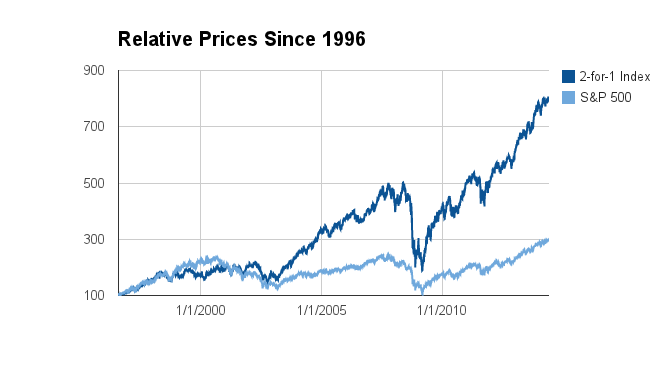
Recently, several high-profile companies have executed stock splits, leading to a renewed interest in this practice. Market analysts suggest that such actions generally have a positive impact on the companies’ stock performance, often leading to a surge in share price post-split. A notable example is Amazon’s 20-for-1 split announced earlier this year, which saw an immediate uptick in investor interest and market activity. Investors are advised to be cautious, however, as increased volatility can accompany stock splits, necessitating careful consideration before investments.
Conclusion and Future Outlook
Understanding split stock is crucial for investors seeking to navigate the complex landscape of the stock market. While stock splits can signify a company’s growth and health, they can also mask underlying issues, particularly in the case of reverse splits. As companies continue to seek innovative ways to attract and retain investors, stock splits will likely remain a significant topic in financial discourse. Investors should stay informed about these changes and consider their impact on long-term investment strategies.
 Kwame Ofori
 Ama Serwah
 Yaw Appiah