
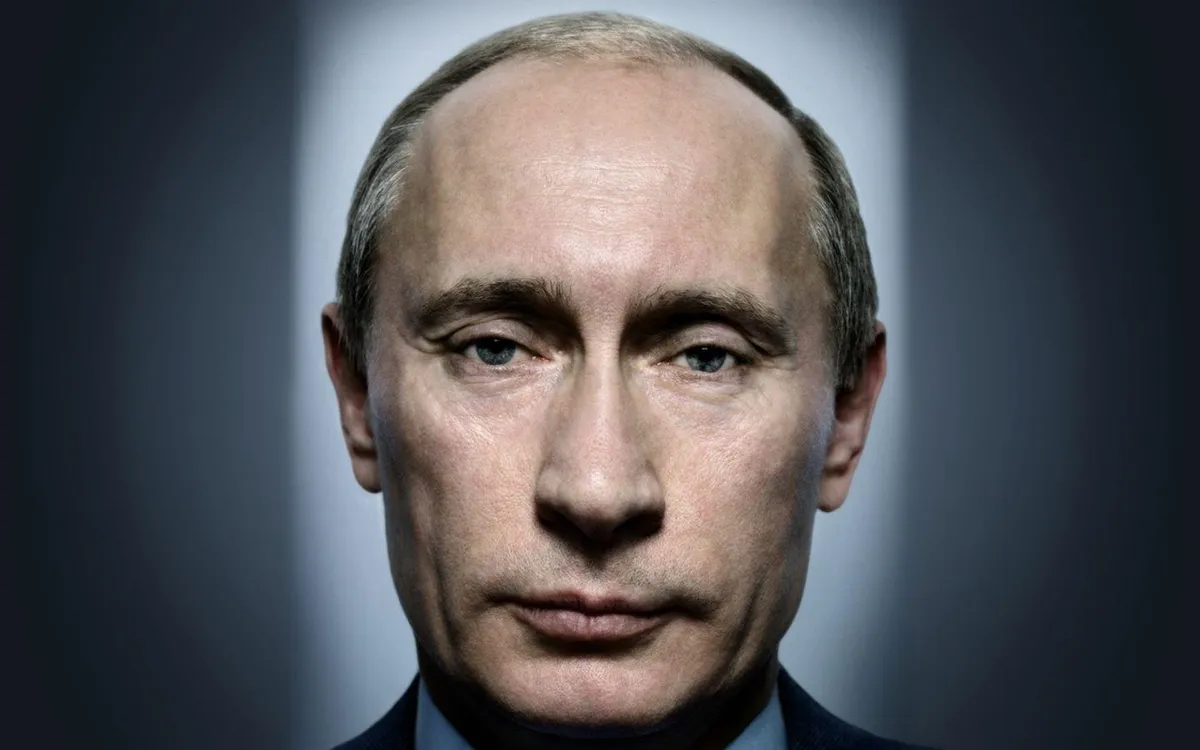
Concerns about a potential coup attempt against vladimir putin have triggered heightened security measures around the Russian President. This shift comes in response to fears of not only internal dissent but also the increasing threat posed by Ukrainian drone strikes.
Reports indicate that Putin’s personal security has been significantly ramped up, particularly since early March. Analysts suggest this is not just a precaution against Ukrainian attacks but also a direct reaction to perceived risks of plots against him. The Federal Protection Service (FSO), often described as “professionally paranoid,” is on high alert.
In recent months, European defense spending has surged, with nations aiming to bolster their military readiness in light of Russia’s actions in Ukraine. Countries are looking to secure their borders, especially those like Finland, which shares a 1,340 kilometer border with Russia. As NATO members discuss mutual defense strategies, the atmosphere remains tense.
The Kremlin’s concerns about a coup attempt are compounded by the belief that Putin may escalate military actions against neighboring countries to avoid negotiations with Ukraine. Ville Niinistö, Finland’s Minister of Environment, remarked, “It could be a small psychological thing that makes us scared…” His words reflect the broader anxiety gripping Europe as it navigates its relationship with Russia.
While some analysts view claims of an impending coup with skepticism, it’s clear that the situation is fluid. The public events Putin has continued to host do little to dispel speculation about his grip on power or the stability of his administration.
The heightened state of alert within Russia raises questions about how long this climate of paranoia can last. As nations prepare for potential conflicts and increase their military budgets, the implications for European security are profound.
As these developments unfold, one thing is certain: Putin’s administration will continue to face scrutiny both domestically and internationally. The next moves made by Russia and its neighbors will be closely watched as tensions simmer across Eastern Europe.
 Yaw Appiah
 Ama Serwah
 Kwame Ofori