
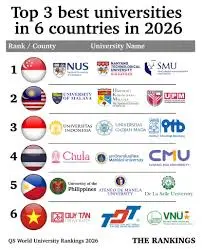
Introduction
The importance of university rankings has escalated in recent years, influencing students’ choices, institutional funding, and reputations on a global scale. As we look ahead to 2026, understanding the evolving dynamics of these rankings becomes crucial for prospective students and educational institutions alike. Factors such as research output, student satisfaction, and employability rates play significant roles in defining a university’s standing in these rankings.
Current Trends in University Rankings
The 2026 university rankings are expected to reflect an increased emphasis on research impact and international collaboration. According to data from QS and Times Higher Education, universities that demonstrate a commitment to sustainable development and global engagement are likely to rank higher. Institutions that adapt to changing educational landscapes, such as incorporating online learning and hybrid models, are also anticipated to perform better in these evaluations.
Key Factors Influencing Rankings
Several metrics are pivotal in determining university rankings, including:
- Academic Reputation: Surveys of scholars and employers contribute significantly to this measure.
- Research Quality: The volume and citation impact of published research reflect institutional performance.
- Student-Teacher Ratio: This metric evaluates the level of personal attention students receive.
- Graduate Employability: Institutions that produce job-ready graduates tend to achieve higher rankings.
The growing emphasis on inclusivity and diversity is set to reshape rankings; institutions that actively promote these values and demonstrate substantial progress in fostering a diverse student body may gain a competitive edge.
Conclusion
As we approach 2026, the landscape of university rankings continues to evolve, reflecting the complexities of global education. Prospective students should closely analyse rankings while considering personal goals and learning environments. Additionally, universities must adapt their strategies, focusing on sustainability, research quality, and inclusivity to thrive in this competitive environment. The results of the upcoming rankings will undoubtedly shape future educational trends, influencing decisions for years to come.
 Kwame Ofori
 Yaw Appiah
 Evelyn Mensah
 Ama Serwah