
Introduction
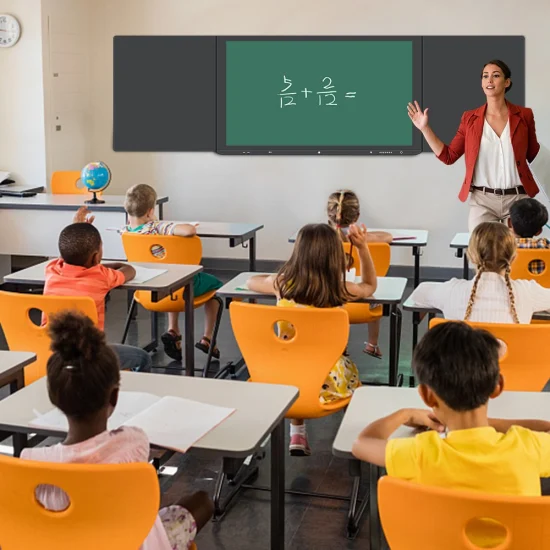
The classroom serves as the cornerstone of education, where students spend a significant amount of their formative years learning critical skills and knowledge. The environment of a classroom plays a pivotal role in shaping students’ academic experiences and overall development. Understanding the factors that contribute to a positive classroom atmosphere is essential for educators, policymakers, and parents alike, particularly as schools continue to adapt to new teaching methods post-pandemic.
Current Trends in Classroom Design
In recent years, there has been a shift towards more flexible and collaborative classroom designs. Traditional rows of desks have given way to areas that facilitate group work and interactive learning. This approach not only encourages students to communicate and collaborate but also caters to different learning styles. Research indicates that classrooms designed with various activity zones promote engagement and enhance learning outcomes.
Impact of Technology
The integration of technology into classroom settings has also transformed how education is delivered. Interactive whiteboards, tablets, and educational software have become commonplace, providing students with a more dynamic learning experience. A recent survey by the Education Week Research Centre found that 72% of educators believe technology positively impacts student engagement. However, the challenge remains to balance screen time with traditional learning methods to ensure comprehensive skill development.
Social and Emotional Learning
Moreover, the importance of social and emotional learning (SEL) in classrooms cannot be understated. Effective education extends beyond academic learning to include emotional intelligence and social skills. Programs that incorporate SEL focus on fostering a supportive classroom culture where students feel safe and valued. According to the Collaborative for Academic, Social, and Emotional Learning (CASEL), schools implementing SEL programs witnessed a 10-20% increase in students’ academic performance, demonstrating the substantial benefits of a positive classroom environment.
Conclusion
In conclusion, the significance of classroom environments in educational success is profound. As we advance into a more interconnected world, classrooms must evolve to meet the diverse needs of learners. With thoughtful design, the integration of technology, and an emphasis on social-emotional learning, classrooms can become vibrant centres of creativity and knowledge. Looking ahead, educators and institutions must continue to adapt and innovate to ensure that all students are afforded the best possible learning experiences, thereby shaping the future of education in meaningful ways.
 Kwame Ofori
 Yaw Appiah
 Evelyn Mensah
 Ama Serwah