
Introduction
The triple lock mechanism has been a cornerstone of the UK’s retirement income strategy since its introduction in 2010. This policy ensures that state pensions rise each year by the highest of either inflation, average earnings, or a minimum of 2.5%. As the cost of living continues to rise, understanding the implications of this increase is crucial for millions of pensioners across the country.
Current Events Impacting the Triple Lock
As of October 2023, recent economic indicators suggest that inflation remains a pressing issue. The Consumer Prices Index (CPI) saw an increase of 7.5% year-on-year, prompting discussions about the necessary adjustments to the state pension. According to the latest reports, the government has confirmed that the state pension will increase by 8.5% from April 2024, reflecting these rising costs.
This substantial increase is designed to help pensioners maintain their purchasing power during this period of economic uncertainty. In light of rising energy costs and general living expenses, the triple lock will provide vital financial support. Additionally, earnings growth has also picked up, which could influence future increases depending on economic trends.
Reactions and Implications
The decision to uphold the triple lock has been met with a mix of relief and anticipation among pensioners and advocacy groups. Many organisations, including Age UK, have long campaigned for the retention of this policy, citing it as essential for ensuring that older citizens do not fall into poverty. The increase is expected to translate to an additional £900 for the average pensioner annually.
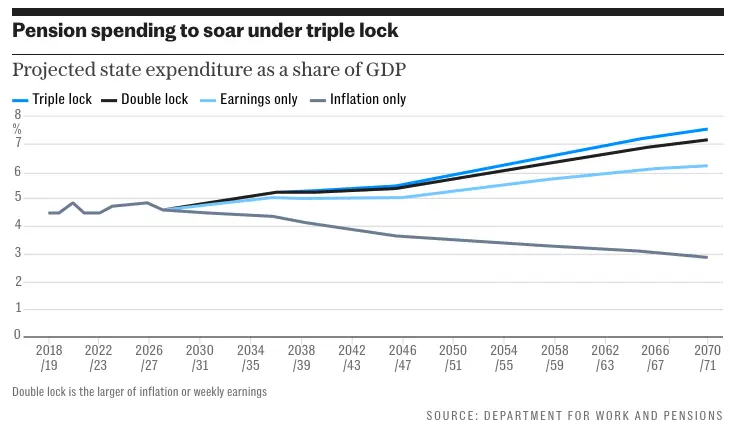
Critics, however, argue that the ongoing commitment to such a mechanism could exert financial pressure on future budgets, particularly in times of economic hardship. Thus, while many celebrate the increase, it raises broader questions about the sustainability of the triple lock in the face of fluctuating economic conditions.
Conclusion
The triple lock state pension increase is a significant development for retirees in the UK. By ensuring that state pensions rise in line with the cost of living, the policy aims to protect the financial wellbeing of some of the most vulnerable citizens. Nonetheless, as economic conditions evolve, the future of this policy may require reevaluation to balance the needs of pensioners with national fiscal responsibilities. Looking ahead, stakeholders will need to consider both the immediate benefits of the pension increase and the longer-term sustainability of the triple lock in a changing economic landscape.
 Kwame Ofori
 Yaw Appiah
 Ama Serwah