
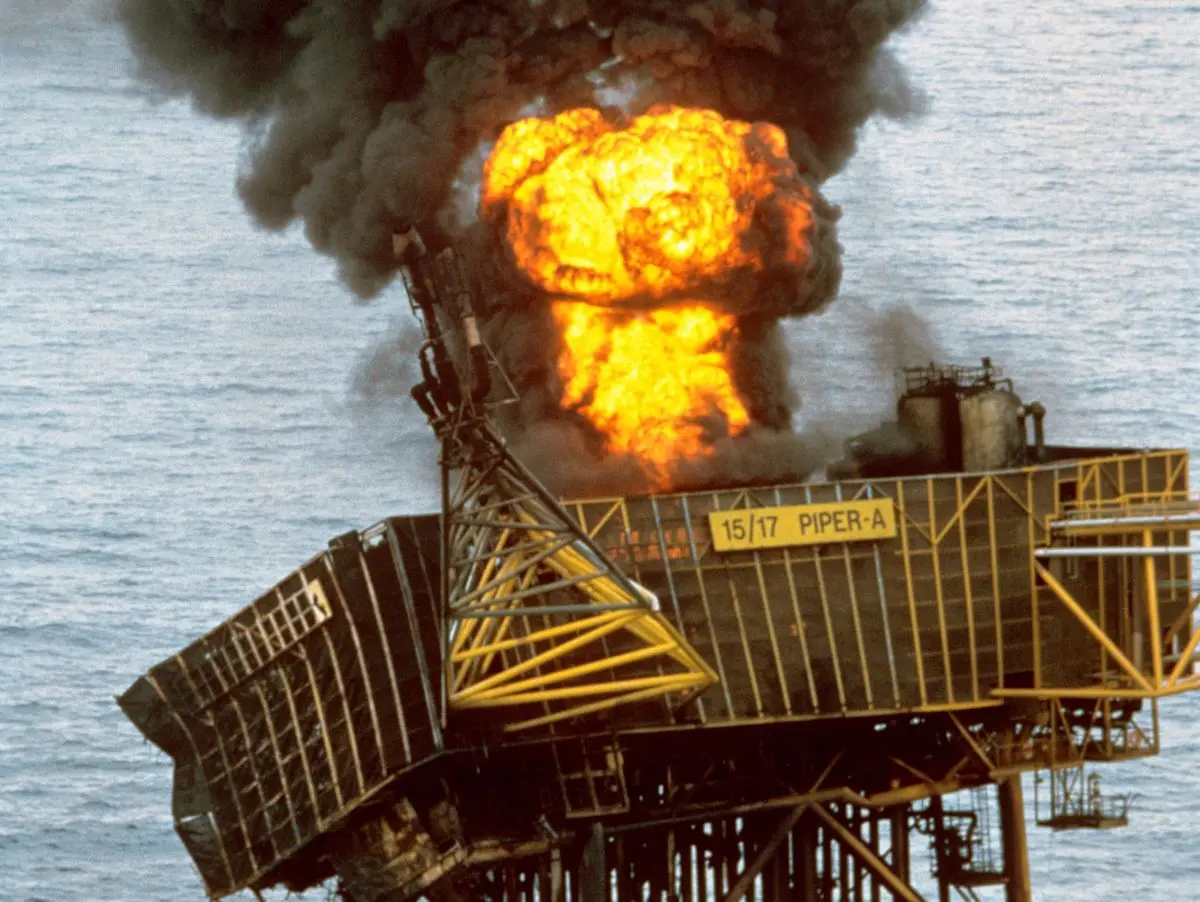
Introduction to the Piper Alpha Disaster
The Piper Alpha disaster, which occurred on July 6, 1988, is one of the deadliest offshore oil rig accidents in history. Located in the North Sea, the tragedy claimed the lives of 167 people and highlighted significant flaws in safety management and operational protocols. Understanding this disaster and its repercussions is crucial for improving safety standards in the oil and gas industry and ensuring that such an event does not occur again.
Events Leading to the Disaster
On the fateful evening of July 6, a gas release ignited a massive fire aboard the Piper Alpha platform. At the time, the platform was undergoing maintenance, and several safety systems had been compromised. A series of miscommunications, inadequate safety checks, and human errors escalated the situation rapidly. The initially small fire turned into an inferno, leading to catastrophic explosions that rocked the platform.
Responses and Rescue Efforts
Rescue operations were immediately initiated, with nearby vessels racing against time to save survivors. However, the severity of the fire made it almost impossible for many to escape. Despite the heroic efforts, only 61 of the 226 personnel on board survived. This highlighted not only the dangers associated with offshore drilling but also the necessity for improved evacuation procedures and emergency response planning.
Investigation and Findings
In the aftermath, an inquiry led by Lord Cullen was launched to investigate the causes of the disaster. The findings revealed significant flaws in safety protocols and emergency preparedness. The report resulted in comprehensive changes in regulations governing oil and gas operations in the UK and worldwide, including the installation of more rigorous safety systems, improved training for workers, and a deeper commitment to risk assessments.
The Legacy of Piper Alpha
The Piper Alpha disaster had lasting implications for the oil and gas industry. It prompted legislative changes that improved crisis management and emergency response, significantly enhancing worker safety overall. The incident also fostered greater awareness regarding the importance of safety culture and management in the energy sector. Companies worldwide have since adopted lessons learned from Piper Alpha to implement better safety practices and regulations.
Conclusion
Reflecting on the Piper Alpha disaster serves as a stark reminder of the inherent risks associated with offshore oil and gas extraction. The lessons learned from this tragedy continue to influence safety standards and operational protocols in the industry today. As the world shifts to embrace more renewable forms of energy, the Piper Alpha disaster remains a pivotal part of discussions on safety, regulation, and the protection of human life.
 Evelyn Mensah
 Ama Serwah
 Kwame Ofori