
Introduction
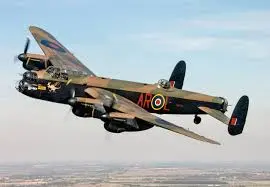
The Lancaster Bomber, one of the most iconic aircraft of World War II, played a crucial role in the Allied bombing campaigns against Nazi Germany. This four-engine heavy bomber, designed and built by Avro, has become synonymous with the bravery and innovation of the Royal Air Force (RAF). As we reflect on its importance in military history, understanding the Lancaster’s contributions provides insight into the evolution of aerial warfare and the engineering feats of its time.
Design and Development
First entering service in 1942, the Lancaster Bomber was praised for its advanced design features, including its wingspan of 31 meters and ability to carry a massive payload. The aircraft was capable of executing high-altitude bombing raids, which set it apart from its contemporaries. Over 7,000 units were produced, and it quickly became a favourite among crews due to its durability and performance. Notably, the Lancaster’s design allowed it to utilise the innovative ‘bouncing bomb’ during the famous Dambusters raid in May 1943, which targeted the industrial heart of Germany.
Operational Use and Legacy
Throughout the war, the Lancaster Bomber was involved in several pivotal missions, including the bombing of Hamburg, Berlin, and other major German cities. These raids aimed to cripple Germany’s war capacity and demoralise its populace. Despite suffering heavy losses, the strategic bombing campaigns proved to be effective in hastening the end of the war. The Lancaster’s operational history continued even after WWII, serving in various roles until 1967.
Commemoration and Cultural Impact
Today, the Lancaster Bomber holds a place of honour in military memorials and airshows worldwide. The Battle of Britain Memorial Flight retains several Lancasters, which are flown annually to commemorate the sacrifices of the RAF during the war. The aircraft also features in various films, documentaries, and exhibitions, ensuring its legacy continues to inspire future generations.
Conclusion
The Lancaster Bomber remains a powerful symbol of innovation and resilience from the Second World War. Its engineering legacy and the courage of the crews who flew it highlight a significant chapter in aviation history. As the years go by, the Lancaster’s story serves as a reminder of the impacts of war, the importance of remembrance, and the advances that continue to shape the aviation industry today.
 Evelyn Mensah
 Ama Serwah
 Yaw Appiah
 Kwame Ofori