
Introduction
The Hillsborough disaster, which occurred on 15 April 1989, is a significant event in the history of British football, resulting in the tragic deaths of 96 Liverpool fans. This catastrophe not only highlighted serious shortcomings in stadium safety but also sparked widespread changes in policies surrounding crowd control and emergency responses at sporting events. With continuing discussions around accountability and justice for the victims, the Hillsborough disaster remains relevant and a poignant reminder of the need for safety in sports.
Details of the Tragedy
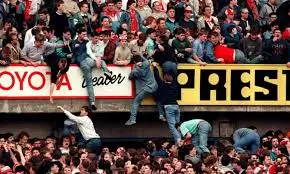
The disaster unfolded during the FA Cup semi-final match between Liverpool and Nottingham Forest at Hillsborough Stadium in Sheffield. As thousands of fans entered the stadium, overcrowding in the standing areas led to a catastrophic crush in the Leppings Lane terrace. Emergency services struggled to deal with the unfolding disaster, and the immediate response was marred by confusion and chaos. In the aftermath, 96 individuals lost their lives, and hundreds more were injured. The event was marked by a lack of preparedness from both the police and stadium management, as well as inadequate crowd control measures.
Long-term Implications
The Hillsborough disaster triggered major reforms in football safety regulations. The Taylor Report, published in January 1990, called for all-seater stadiums and better management of crowd behaviour, leading to sweeping changes across the English league system. While the initial findings aimed to improve safety, the aftermath also revealed deep-seated issues regarding police conduct and accountability. The mishandling of the disaster’s aftermath included a controversial media narrative that sought to blame the fans, leading to years of injustice for the victims’ families.
Ongoing Efforts for Justice
In the years following the tragedy, families of the victims have campaigned tirelessly for justice. Numerous inquiries and legal battles have highlighted the failures of various agencies involved during the disaster. In 2016, an independent panel published its findings, leading to a fresh inquest into the deaths which concluded that a large number of fans were unlawfully killed. This was a pivotal moment for the bereaved families who had sought the truth for decades.
Conclusion
The Hillsborough disaster serves as a powerful reminder of the importance of safety in sports and the need for accountability in crisis management. As discussions continue on how we can ensure the safety of fans in modern stadiums, the legacy of Hillsborough prompts reflection on how far we have come and the work still required to prevent any future tragedies. The event remains a crucial chapter in British sporting history, holding lessons that resonate far beyond the boundary lines of the pitch.
 Evelyn Mensah
 Ama Serwah
 Kwame Ofori