
Introduction
Earthquakes have long posed significant risks to communities around the globe and can lead to devastating tsunamis if they occur under the ocean. Recently, the Russian region has experienced a series of earthquakes, raising concerns about potential tsunami threats. Understanding these seismic activities is crucial for preparedness and risk management in affected areas.
Recent Earthquake Activity in Russia
Throughout September 2023, eastern Russia, particularly the Kamchatka Peninsula, recorded multiple significant earthquakes. On September 11, a magnitude 6.8 earthquake struck, followed by aftershocks that ranged from 4.5 to 5.2 magnitude. The region’s geographical position on the Pacific Ring of Fire makes it prone to seismic events.
According to the United States Geological Survey (USGS), the Kamchatka Peninsula alone experiences an average of 1,000 earthquakes annually, a significant portion of which occur under the ocean. Onlookers reported tremors felt in nearby settlements, prompting alerts and emergency responses. Fortunately, no immediate casualties were reported from these incidents.
The Tsunami Threat
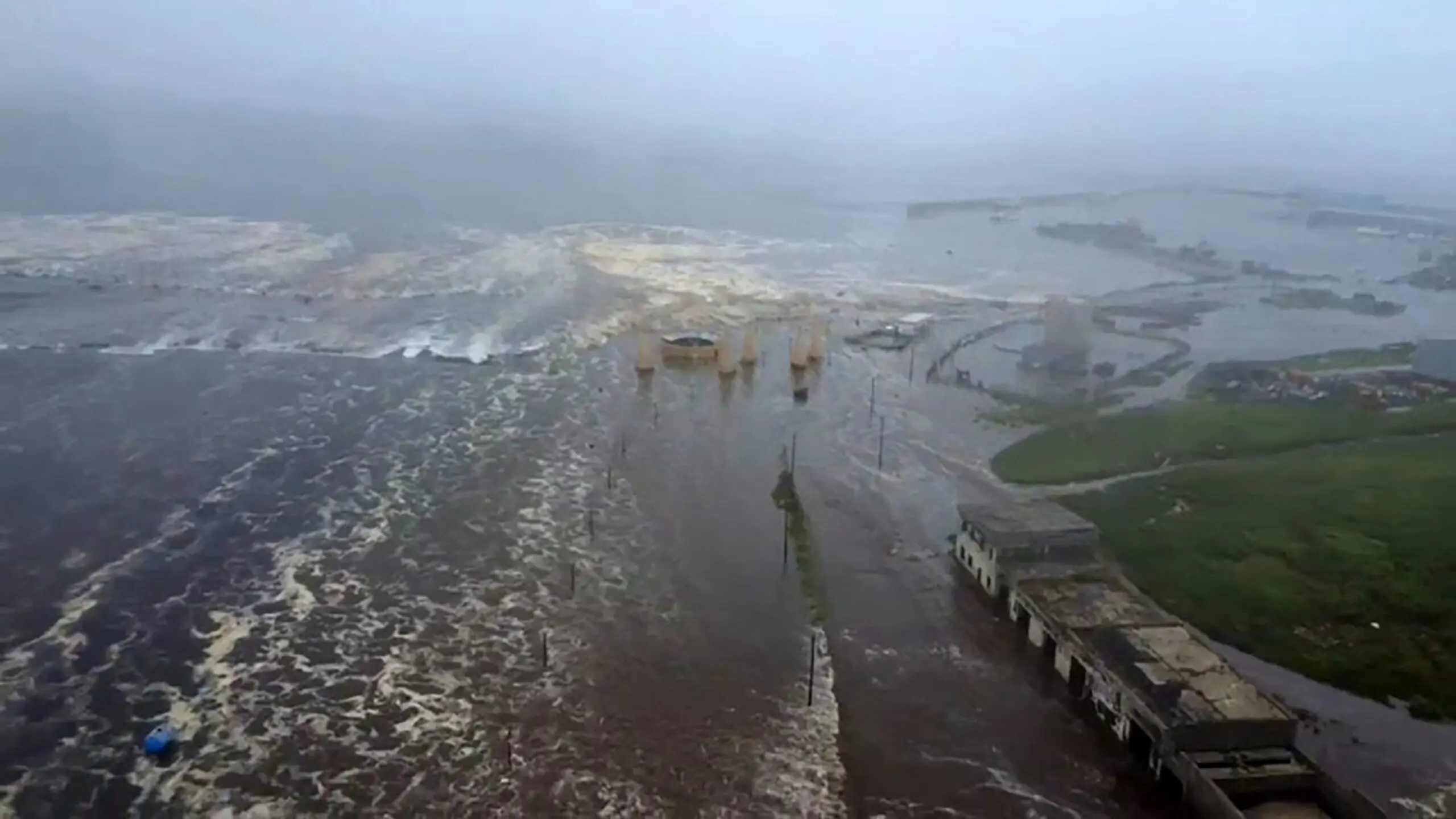
Following the earthquakes, Tsunami Warning Centers issued advisories for the coast, advising residents and local authorities to stay vigilant. Given the magnitude and undersea nature of the seismic activity, there was a substantial concern regarding the potential for tsunami waves impacting coastal regions.
The warnings raised awareness over preparedness measures, linking to past incidents where local tsunamis resulted from major earthquakes, causing serious destruction and loss of life. Fortunately, the threat was downgraded, but the events reaffirmed the need for continual monitoring and an established disaster response framework within the region.
Conclusion
In light of recent seismic activities in Russia, prioritising earthquake and tsunami preparedness remains essential. The government has announced increased funding for early warning systems and community training programs to mitigate potential future risks. Enhanced understanding of earthquake patterns and tsunami impact is not only significant for Russian coastal communities but also serves as an example for other earthquake-prone regions worldwide.
Ultimately, as scientists continue to study this dynamic area, the need for adaptable emergency responses and public education becomes increasingly clear. The global community must remain informed and engaged in disaster safety to ensure resilience against natural disasters.
 Yaw Appiah
 Evelyn Mensah
 Kwame Ofori
 Ama Serwah