
Introduction
In recent years, the threat of cyber attacks has become a significant concern for critical infrastructure worldwide, with European airports increasingly in the crosshairs of cybercriminals. As travel resumes post-pandemic, the importance of secure airport operations has gained heightened attention, impacting not only aviation security but also the confidence of millions of passengers. Understanding the nature and frequency of these cyber incidents is essential for safeguarding air travel and ensuring the safety of the public.
Recent Incidents
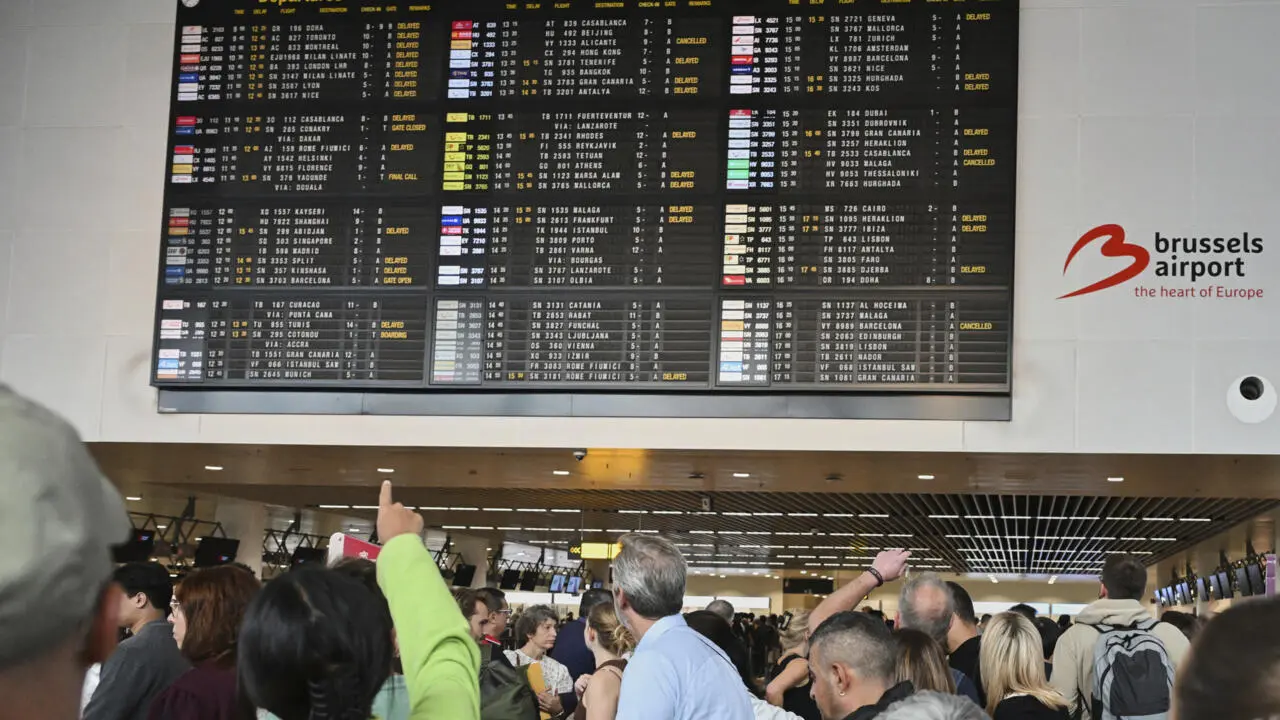
In October 2023, several airports across Europe reported cyber attack attempts that disrupted operations and raised alarms among national security agencies. London’s Heathrow and France’s Charles de Gaulle airports encountered coordinated ransomware attacks that aimed to encrypt sensitive data and disrupt flight schedules. While these incidents were swiftly contained, the attacks underscored vulnerabilities in airport IT networks, which rely on outdated systems that can be susceptible to breaches.
Moreover, Europol revealed that cybercriminal organisations are increasingly targeting aviation systems as they expand their capabilities. This trend reflects a broader concern about the operational integrity of not only airports but also air traffic control systems throughout Europe. With flight operations made more complex by the resurgence of air travel demands, the pressure is on for airports to fortify their digital infrastructure.
Implications for Security
Experts suggest that as airports modernise and incorporate more technology, the attack surface grows larger, presenting cybercriminals with more opportunities to exploit weaknesses. The aviation sector is a prime target due to its interconnected systems, with airports relying heavily on digital platforms for passenger processing, baggage handling, and logistical operations. A successful cyber attack could not only lead to significant financial loss but also endanger passenger safety, hampering emergency responses in critical situations.
Furthermore, with EU regulations becoming stricter on data protection and cybersecurity protocols, airport authorities are under increasing pressure to comply. Enhanced measures, such as investing in advanced monitoring systems, conducting regular security audits, and training staff to recognise potential threats, are crucial steps in mitigating risks.
Conclusion
As the frequency of cyber attacks on European airports increases, stakeholders in the aviation industry must remain vigilant and proactive. Collaboration among airport authorities, cybersecurity firms, and governmental agencies is vital to create multidimensional security strategies. In a world where travel is an essential component of global connectivity, ensuring the resilience of airport infrastructure against cyber threats will not only protect industries and economies but also provide peace of mind for the travelling public.
 Yaw Appiah
 Evelyn Mensah
 Ama Serwah
 Kwame Ofori