
The Importance of Eritrea
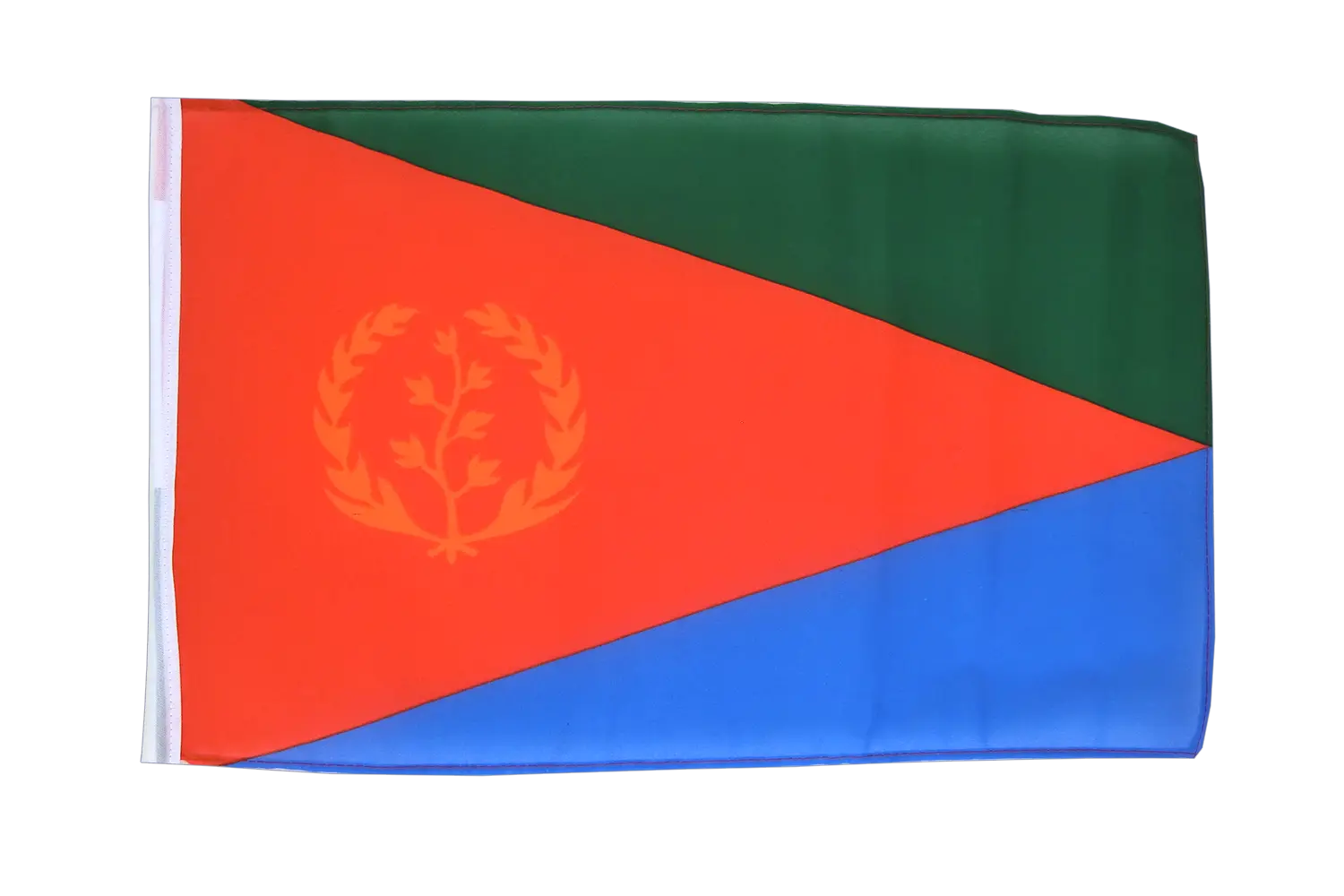
Eritrea, located in the Horn of Africa, has been a point of significant interest due to its complex history, ongoing geopolitical challenges, and resilient population. As a nation that gained independence from Ethiopia in 1993 after a long and brutal struggle, Eritrea’s journey has captured the attention of historians, political scientists, and humanitarian organisations alike.
Current Events and Challenges
As of 2023, Eritrea continues to navigate a tumultuous landscape marked by political repression, economic difficulties, and ongoing tensions with neighbouring Ethiopia. The aftermath of the Tigray War has further complicated the region’s stability. Despite the peace agreement signed with Ethiopia in 2018, Eritrea’s government, led by President Isaias Afwerki, remains largely authoritarian, restricting freedoms and facing international scrutiny for human rights abuses.
The United Nations has indicated serious concern over reports of forced conscription, indefinite national service, and restrictions on free expression. Eritrea is often described as one of the world’s most repressive regimes, with numerous accounts of arbitrary detention and torture. In 2022, the country faced increased scrutiny from rights groups, which reported on the dire conditions facing political prisoners, many of whom are held without trial.
Economic Landscape
Economically, Eritrea struggles with high unemployment rates and poverty levels exacerbated by military expenditures and sanctions imposed in response to its human rights record. Agriculture remains the primary sector, employing a majority of the population, but with climate challenges and insufficient infrastructure, food security continues to be a pressing issue. The government has made attempts to attract foreign investment, particularly in mining; however, these initiatives have been met with mixed success due to ongoing security concerns and a lack of transparency.
Social Resilience and Outlook
Despite these challenges, the people of Eritrea have shown remarkable resilience. The country has a rich cultural tapestry and a strong sense of identity, rooted in its long history of struggle for liberation. Eritreans have largely retained their linguistic and cultural diversity, which manifests in their art, music, and customs. Internationally, the Eritrean diaspora plays a crucial role in supporting the nation through remittances, which are vital for many families back home.
Conclusion
In conclusion, while Eritrea faces profound challenges characterised by political repression and economic hardship, the spirit of its people is a testament to their resilience. The future of Eritrea remains uncertain, but ongoing international attention and dialogue could pave the way for improvements in human rights and development. As global stakeholders engage with Eritrea, it holds the potential for gradual reforms that could alter its trajectory, ultimately benefiting its citizens and the region as a whole.
 Ama Serwah
 Kwame Ofori