
Introduction
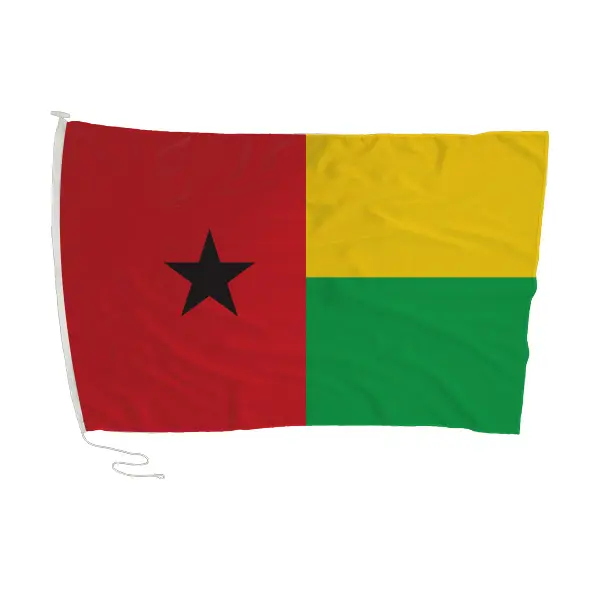
Guinea-Bissau, a small West African nation, has long been a focal point of political intrigue and instability. Recently, developments within the country highlight its significance, not only in regional politics but also in the broader context of international relations. Understanding the situation in Guinea-Bissau provides insight into ongoing dynamics within West Africa, making it a crucial topic to follow.
Recent Developments
In the past months, Guinea-Bissau has experienced a series of political events that have garnered international attention. After a tumultuous election cycle, President Umaro Sissoco Embaló was re-elected in early 2023, a result that was met with both domestic support and international scrutiny. His administration has faced criticism over issues related to governance and corruption, raising concerns about the future of democracy in the country.
Furthermore, the legislative elections that occurred alongside the presidential contest resulted in a fragmented National Assembly. This situation has led to challenges in forming a stable government coalition, which is essential for effective governance. Political analysts predict that without significant cooperation among parties, the achievement of long-term stability in Guinea-Bissau remains uncertain.
Additionally, the involvement of external powers in Guinea-Bissau’s political landscape cannot be overlooked. The country has historically been influenced by foreign interests, with regional powers like Senegal and Nigeria playing pivotal roles in its affairs. Recent discussions regarding security and economic partnerships with the European Union and the United States indicate a shift towards a more international focus.
Conclusion
As Guinea-Bissau navigates its complex political landscape, understanding the ongoing developments will be crucial for stakeholders in the region and the international community. The country’s ability to consolidate its governance and promote stability is vital for the overall peace and economic growth of West Africa. Observers will be keen to see how President Embaló’s government addresses internal challenges and engages with various international partners to secure its future. As events unfold, Guinea-Bissau remains a nation to watch closely, reflecting broader themes of democracy, governance, and international relations in an ever-evolving landscape.
 Ama Serwah
 Kwame Ofori