
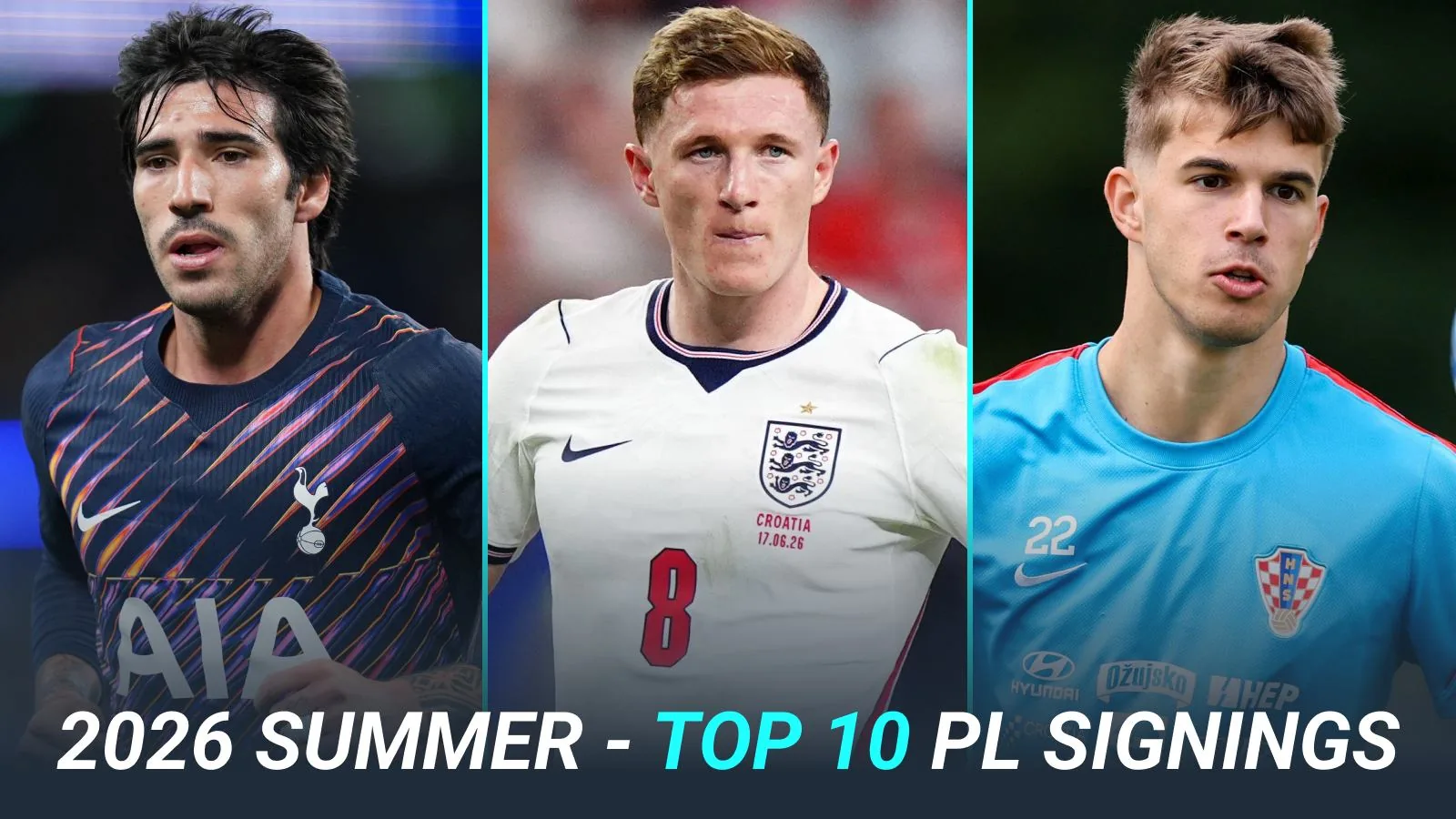
Chelsea, Manchester City, and Tottenham Hotspur have each completed record-breaking signings this summer. These moves are part of a broader trend of significant spending within the Premier League, building on a winter window that saw clubs globally spend 2.2 billion euros.
The summer transfer period has seen clubs engaging in substantial fee negotiations and medical bookings. This follows the 2026 World Cup, which reset the market as players’ reputations were made or unmade on a global stage, influencing sporting directors’ shortlists.
Key Transfers and Market Activity
Tottenham initiated a notable deal for Sandro Tonali. This figure was later exceeded when Manchester City acquired Elliot Anderson. Chelsea then set a new British transfer record with the signing of Morgan Rogers from Aston Villa.
The substantial spending highlights the Premier League’s financial influence in European football. Broadcast deals, UEFA settlement clauses, and Champions League qualification have contributed to clubs treating transfers as both financial and football decisions.
Behind these high-profile fees, months of preparation take place. For instance, in February, approximately 100 club officials, scouts, and agents convened at Aston Villa’s stadium. Representatives from clubs including Liverpool, West Ham, Birmingham, Preston, and Manchester City discussed strategies for the summer window.
Such gatherings, often organized through platforms like TransferRoom, connect around 800 clubs and agents to facilitate deals. Recently, over 200 clubs, including Chelsea, Manchester City, Manchester United, Crystal Palace, Roma, and Borussia Dortmund, met with 55 agencies in Madrid for a dedicated “deal day.” The market is anticipated to become more active through the latter half of August due to delays caused by the World Cup.
Strategic Planning and Player Movement
A senior Premier League recruitment executive noted that clubs typically plan at least one transfer window in advance, cautioning that anything less results in “reactionary” business. Top-flight clubs often anticipate player departures, while lower-league teams face the challenge of potentially losing performing players on short notice, requiring quick responses from sporting directors.
Wages also play a role, with some English Football League clubs delaying signings to manage salary costs. Former manager Michael Appleton indicated that preparations for the summer window usually begin weeks after the winter window concludes, with meetings increasing in frequency as the deadline approaches.
One significant move this summer was Robert Lewandowski’s free transfer to MLS side Chicago Fire after his contract with Barcelona expired. This deal, reportedly a decade in the making, saw Chicago Fire’s sporting director, Gregg Broughton, reveal that the club had long pursued the Polish captain, even during his time at Bayern Munich and Barcelona.
Discussions resurfaced in January 2025 during negotiations for Neymar, who shares an agent with Lewandowski. Although Neymar opted to return to Brazil, it became apparent that Lewandowski might be persuaded to join Chicago. The Fire placed him on their MLS “discovery list,” preventing other American clubs from signing him. Head coach Gregg Berhalter then traveled to Spain to finalize the agreement once contact was permitted on January 1.
Broughton mentioned that negotiations extended beyond football, encompassing commercial opportunities and family considerations, such as his wife’s fitness business and his children’s schooling. In contrast to the typical discretion of European transfers, Chicago publicly welcomed Lewandowski with billboards from the airport. Lewandowski signed a two-year deal, despite interest from Europe and Saudi Arabia.
The increasing influence of agents has added complexity to deals, with agents seeking more involvement in club-to-club negotiations and additional paperwork, such as the AF1 agency agreement, which can slow down processes. However, agents are still widely considered essential to the transfer process.
With about a month remaining until the deadline, industry figures suggest that deals struck in the final hours often indicate unforeseen issues. Most major transfers are typically finalized weeks earlier, with late activity usually involving final financial adjustments. Appleton prefers to conclude business early to avoid last-minute rush, noting that deadline day is often more about managing potential player departures than securing new signings.

Emerging Trends and What’s Next
Some of the largest fees have been paid for attacking talent who performed well at the World Cup. This trend, often highlighted by pundits as carrying risk, has not deterred clubs from breaking their own transfer records this summer. History suggests that forwards signed for club-record fees may carry more risk than midfielders or defenders, as goals can be harder to guarantee than consistent defensive output.
Selling clubs, now with significant funds, face new pressure to reinvest wisely. A single major sale can transform a mid-table club’s transfer budget, and how these funds are spent can significantly impact their performance over the next few seasons.
A considerable portion of the transfer window remains. Clubs still seeking a striker or a starting center-back will be closely monitoring rivals, aiming to secure players before prices escalate further. Loan deals, a less prominent but equally important aspect of the market, will continue to adjust squad depth until the deadline, particularly for clubs balancing financial fair play regulations with managerial requests.
The new Premier League season is scheduled to commence a week later than usual this year, providing World Cup players with additional recovery time. This extra week also gives clubs a few more days to finalize business before squads need to be settled.
The coming weeks are expected to bring more transfer developments, including rumors turning into medicals, medicals leading to unveilings, and potentially unexpected deals right up until deadline day.
The transfer window is set to close at the end of August.
Source: thewhistler.ng
 Ama Serwah
 Yaw Appiah
 Evelyn Mensah
 Kwame Ofori