

Skinner’s Departure and Club Strategy
Marc Skinner has departed from his role as head coach of Manchester United Women by mutual consent, concluding a five-year tenure with the club. His exit comes a month before the start of the Women’s Super League season, with the team scheduled to face London City Lionesses on 4 September. Discussions between Skinner and the club during the summer ultimately led to this mutual agreement.
One factor in Skinner’s departure was reportedly the club’s transfer strategy. Manchester United is focusing on developing younger, homegrown players to achieve sustainable, long-term success, rather than engaging in bidding wars with other Women’s Super League teams. This approach has led to investments in the club’s academy, with the girls’ academy set to train at Carrington, the main training facility, this season.
However, this shift in strategy has caused concern among some supporters, particularly following the sale of French striker Melvine Malard to Chelsea for a club-record fee in the region of £850,000. This move has raised questions about the club’s ambition for the upcoming season, especially as rival clubs like Manchester City, Arsenal, and Chelsea have been active in strengthening their squads.
Skinner, a 43-year-old former Birmingham City and Orlando Pride head coach, had previously voiced concerns regarding the lack of investment in the squad. Despite signing a new contract last year that would have kept him at the club until 2027, with an option for an additional year, it became clear that the relationship between him and the club was no longer harmonious.

Tenure and Achievements
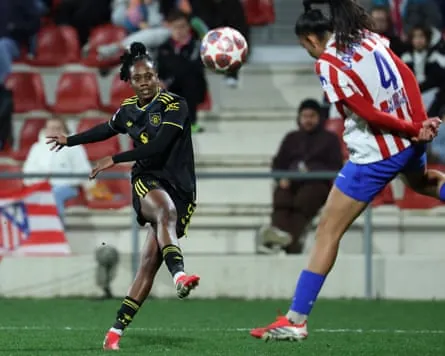
During his five years at Manchester United, Skinner led the team to their first major trophy, winning the Women’s FA Cup in 2024 with a 4-0 victory over Tottenham Hotspur at Wembley. He also guided the team to the Women’s Champions League group stages for the first time last year, and they reached the quarter-finals of the competition in the 2025-26 season. Additionally, the team finished as runners-up in three domestic cup finals and reached the League Cup final.
Under Skinner’s leadership, Manchester United achieved their highest league position, finishing second in the 2022-23 campaign. In his first season, 2021-22, the team finished fourth. Subsequently, they finished fifth, third, and fourth in his final three years. He was able to disrupt the usual order in the WSL, securing two top-three finishes during his time at the club, despite operating with fewer resources compared to other managers in the league.
However, Skinner’s tenure was not without its challenges. He often pointed to a lack of squad depth after defeats to top-three rivals, an issue that had also reportedly led to the departure of his predecessor, Casey Stoney, in 2021. Supporters expressed frustration over the perceived lack of spending in the transfer window, with some calling for his removal in 2024.
Criticism also stemmed from perceived tactical stubbornness in big matches and a lack of progression for homegrown players from the academy into the first team. The failure to qualify for the Champions League this season also impacted the club’s transfer window activities.
Looking Ahead
Sources within the club indicate that the search for Skinner’s replacement is well underway, with background checks on potential candidates already completed. A key requirement for the new coach is a history of developing players, aligning with the club’s renewed focus on youth development.
Meanwhile, London City Lionesses, who finished fifth last season and are Manchester United‘s first opponents of the new season, have significantly invested in their squad this summer. They have recruited notable players such as two-time Ballon d’Or winner Alexia Putellas, Mapi León, and French winger Kadidiatou Diani. The club and Skinner mutually agreed to part ways before the new campaign, allowing the team to make a fresh start.
Source: bbc.co.uk
 Ama Serwah
 Yaw Appiah
 Kwame Ofori
 Evelyn Mensah