
Introduction
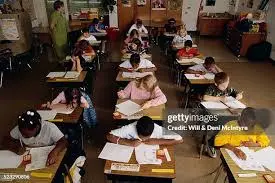
The classroom is the heart of the educational experience, serving as a vital environment where knowledge is imparted, skills are developed, and personal growth is fostered. With the rapid changes in educational methods and the increasing emphasis on student-centred learning, understanding the importance of the classroom has never been more relevant. This article explores the features of effective classrooms and their impact on both teachers and students.
Current Trends in Classroom Design
Recent studies have shown that the physical layout of classrooms can significantly influence student engagement and learning outcomes. Traditional rows of desks are being replaced by flexible seating arrangements that encourage collaboration and movement. Many schools are increasingly integrating technology into the classroom, with smart boards and tablets enhancing the interactive learning experience.
Additionally, the emphasis on a conducive emotional and social environment within the classroom cannot be overlooked. Classrooms that promote inclusivity, respect, and positive relationships not only enhance learning but also contribute to the overall well-being of students.
Impact of Classroom on Student Learning
Research has demonstrated that a well-structured classroom can lead to improved academic performance, increased motivation, and higher levels of student satisfaction. A positive classroom atmosphere encourages students to take ownership of their learning, engage in critical thinking, and participate actively in discussions. Furthermore, teachers play a pivotal role in shaping this atmosphere through their approach to classroom management, lesson planning, and interaction with students.
Future Outlook
As educational paradigms shift towards hybrid models incorporating both traditional and online learning, the role of the classroom will continue to evolve. Future classrooms are likely to balance technology integration with the need for personal connection and interaction among students. Moreover, with the understanding that different students have unique learning styles, classrooms will increasingly be tailored to meet diverse needs.
Conclusion
The classroom remains a crucial element in the educational landscape, serving as a foundational location for learning, development, and community building. Its design and atmosphere can have profound effects on students’ academic experiences and their overall development. As educators, policymakers, and communities move forward, prioritising the enhancement of classroom environments will be essential to ensure that learning is not only effective but also transformative for all students.
 Kwame Ofori
 Yaw Appiah
 Evelyn Mensah
 Ama Serwah