
Introduction
The story of Oscar Pistorius is one of breathtaking athletic achievement marred by tragedy and controversy. Once celebrated as a symbol of resilience, Pistorius’s life took a dramatic turn when he was convicted of murdering his girlfriend, Reeva Steenkamp, in 2013. This case not only shocked the sporting world but also sparked discussions on issues of justice, mental health, and societal attitudes towards individuals with disabilities.
The Tragic Incident
On the night of February 14, 2013, Pistorius shot Steenkamp multiple times through a locked bathroom door, believing she was an intruder. His subsequent trial captivated international audiences, where he claimed he acted out of fear. After a lengthy legal process, he was found guilty of culpable homicide in 2014, a ruling later amended to murder. In 2016, he was sentenced to six years in prison, a term that was later extended to 13 years and five months after an appeal by the prosecution highlighted the leniency of the original sentence.
Recent Developments
In July 2021, the South African parole board reviewed Pistorius’s case, granting him parole after he had served just over half of his sentence. This decision reignited the public discourse surrounding his actions and their implications. Family members of Steenkamp expressed their outrage at the decision, claiming it was disrespectful to her memory. The conflicting perspectives on his release highlight the complexities involved in cases of high-profile crimes, particularly when they intertwine with public sentiment and media portrayal.
Impact on Society and Sports
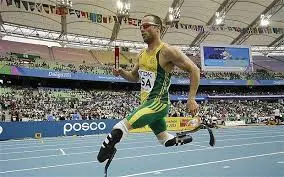
Pistorius’s case has profoundly impacted not only legal proceedings but also how athletes with disabilities are perceived. Despite his achievements as the first double amputee to compete in the Olympics, the tale has transformed into a sobering reminder of the potential for personal downfall. Advocates for disability rights have wrestled with the duality of Pistorius’s legacy, urging society to focus on the empowerment of athletes rather than the pitfalls of individual actions.
Conclusion
The decline of Oscar Pistorius from a celebrated athlete to a convicted felon is a narrative filled with lessons about justice, morality, and redemption. As he now seeks to reintegrate into society, observers will be keenly watching how his story evolves and what it teaches about the responsibilities that accompany fame and success. For readers, Pistorius’s tale serves as a harrowing reminder of the fine line between triumph and tragedy, urging ongoing dialogue about accountability in all walks of life.
 Ama Serwah
 Kwame Ofori
 Yaw Appiah