
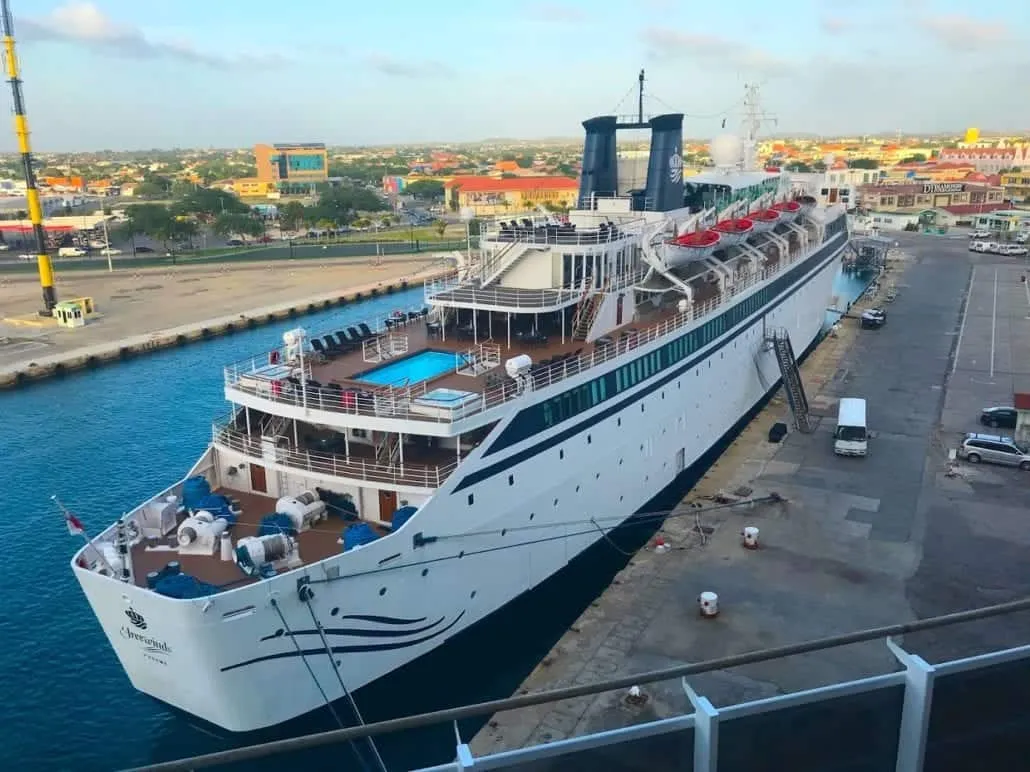
A suspected hantavirus outbreak aboard the MV Hondius has resulted in three deaths, raising concerns about rodent exposure during the voyage in the Cape Verde region of the Atlantic Ocean.
At least one case has been confirmed as hantavirus, a virus typically linked to infected rodents. Passengers began to fall ill after spending around three weeks at sea. With an estimated 150 passengers and 70 crew members on board, health officials are now conducting epidemiological investigations.
This incident echoes previous outbreaks, such as the notable 1993 ‘Four Corners’ outbreak in the southwestern United States, which helped establish hantaviruses as a significant public health risk. Globally, an estimated 100,000 to 200,000 hantavirus infections occur each year.
Symptoms of hantavirus infections often begin with flu-like indications before developing into more severe conditions. The hantavirus pulmonary syndrome (HPS) carries a fatality rate between 35% and 50%, which is alarming for those affected.
Dr. Liam Brierley noted, “It’s therefore extremely likely that these cases have resulted from the same single point of exposure to rodents.” Health officials are currently monitoring the situation for potential new cases.
Hans Kluge reassured the public by stating, “There is no need for panic or travel restrictions.” However, experts like Dr. Michael Head emphasized that most hantavirus infections are still linked to direct exposure to infected rodents.
Currently, there is no widely available vaccine against hantavirus, and care remains largely supportive without a specific treatment or cure. While human-to-human transmission is rare—primarily associated with the Andes strain—most infections stem from direct rodent contact.
The exact source of this outbreak on the MV Hondius has not been disclosed, but officials are working diligently to assess the public health risk. As investigations continue, both passengers and crew remain under observation.
 Ama Serwah
 Evelyn Mensah
 Kwame Ofori