
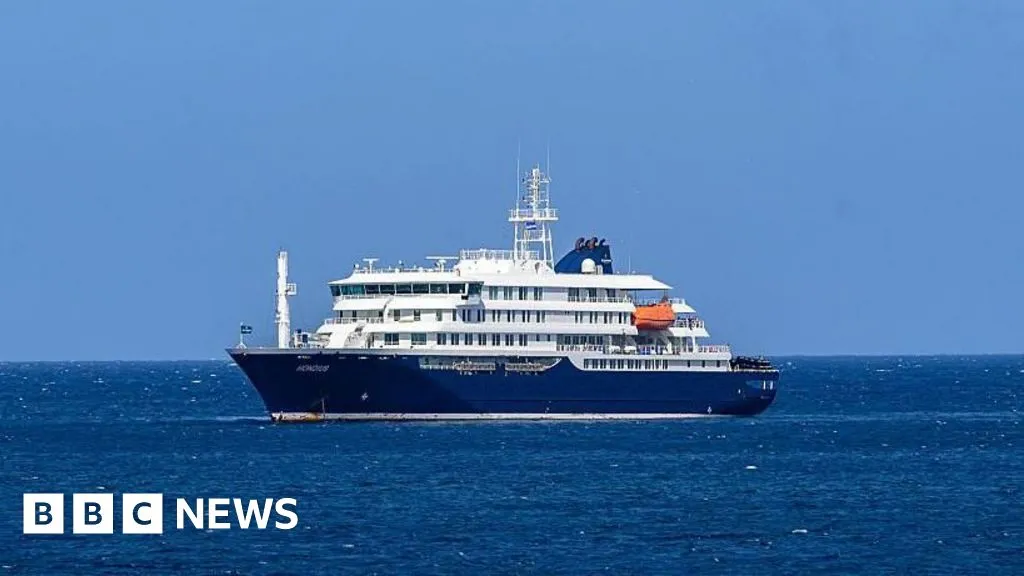
A suspected hantavirus outbreak aboard the MV Hondius cruise ship has resulted in three deaths and left at least three others sick. This incident, occurring in the Atlantic Ocean, has raised alarms among health officials worldwide.
The World Health Organization (WHO) confirmed that one case was laboratory-confirmed, while five other passengers are suspected of being infected. The cruise ship had a total of 170 passengers and 71 crew members on board when it set sail from Ushuaia seven weeks ago.
Symptoms of hantavirus can be severe, often beginning about two weeks after exposure to rodent excretions. Those affected may experience fever, fatigue, chills, muscle aches, headache, dizziness, nausea, vomiting, abdominal pain, and sometimes diarrhea. Tragically, hantavirus pulmonary syndrome (HPS) is fatal in nearly 40% of those infected.
The WHO stated, “Detailed investigations are ongoing, including further laboratory testing and epidemiological investigations.” This statement reflects the urgency of understanding how such infections occurred aboard the ship.
While there is no specific treatment for hantavirus infection—only supportive care—health authorities stress that human-to-human transmission of the strains circulating in the United States has not been observed. However, this outbreak serves as a stark reminder that hantavirus remains a deadly global health threat.
Currently, two symptomatic crew members require urgent medical care. As investigations proceed, officials have yet to confirm how these infections initially began on the MV Hondius.
This incident underscores a critical point: Hantavirus is primarily transmitted through aerosols and droplets containing rodent excretions. In North America, deer mice are common carriers; in South America, they include the rice rat and vesper mouse.
As this situation develops further, public health experts will continue to monitor the outbreak closely to protect passengers and crew alike from this potentially deadly virus.
 Yaw Appiah
 Ama Serwah
 Evelyn Mensah
 Kwame Ofori