
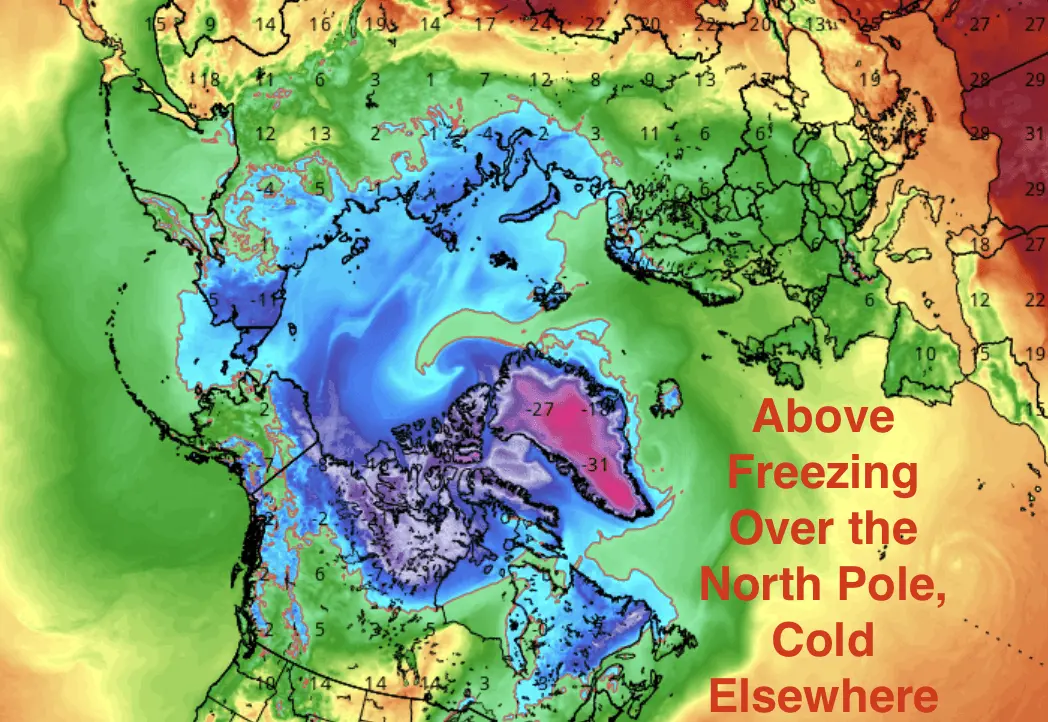
Introduction to the Polar Vortex
The polar vortex is a large area of low pressure and cold air surrounding the Earth’s poles. This meteorological phenomenon plays a crucial role in influencing winter weather patterns in the Northern Hemisphere, including significant temperature drops and severe cold spells. Understanding the polar vortex is increasingly relevant as climate change continues to manipulate traditional weather patterns, leading to unexpected and extreme weather events.
What is the Polar Vortex?
The polar vortex typically strengthens in the winter months, as a result of increased temperature differences between the polar regions and the equator. It is composed of strong, persistent winds that flow counter-clockwise around the poles. However, disturbances, possibly linked to climate change, can weaken the polar vortex, allowing frigid Arctic air to plunge southwards into temperate zones such as Europe and North America.
Recent Events Linked to the Polar Vortex
This winter, the polar vortex has shown signs of instability, with a series of severe cold outbreaks recorded across the United States and Canada in January 2024. Reports from the National Weather Service indicate that areas as far south as Texas and Oklahoma experienced uncharacteristically low temperatures, as Arctic air escaped the polar vortex due to its weakening state.
According to meteorologists, this phenomenon is expected to continue throughout the winter months, with predictions of further disruptions. In Europe, a similar pattern has emerged, with colder-than-average temperatures affecting countries such as the United Kingdom and France, again attributed to the polar vortex disturbances.
The Significance of the Polar Vortex and Future Outlook
The effects of the polar vortex are significant, impacting everything from energy consumption to public health as frigid temperatures can lead to increased heating demands. Moreover, as climate change progresses, the behaviour of the polar vortex may further change, potentially leading to more erratic winter conditions and increased frequency of extreme weather events.
Researchers are actively studying how climate change could be influencing the polar vortex, examining historical patterns against current data to better understand future developments. The implications for agriculture, infrastructure, and human safety are vast, making it essential for governments and communities to prepare for the potential of more aggressive cold snaps in the coming years.
Conclusion
The polar vortex is a vital component of our planet’s weather systems, and its dynamics are becoming increasingly crucial in the context of a changing climate. As unpredictable weather continues to challenge traditional seasonal norms, knowledge and preparedness regarding the polar vortex will be key to navigating future winters safely and effectively.
 Yaw Appiah
 Evelyn Mensah
 Ama Serwah
 Kwame Ofori