
Introduction
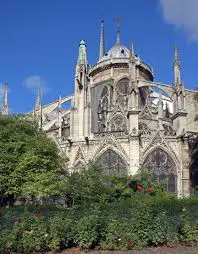
Notre Dame de Paris, the iconic Gothic cathedral, has been at the heart of Parisian culture and heritage since its completion in the 14th century. Following the devastating fire on April 15, 2019, there has been a global outpouring of support and concern for the historical landmark. With its intricate architecture and rich history, the restoration of Notre Dame is not just a reconstruction project but a significant cultural endeavour that reflects the commitment of France and the world to preserving its history.
Current Restoration Efforts
As of late 2023, restoration efforts at Notre Dame are in full swing. French President Emmanuel Macron has promised to restore the cathedral to its former glory by 2024, in time for the Paris Olympic Games. To achieve this, the project has faced both challenges and progress. Over 200 artisans, builders, and experts are currently involved in the meticulous restoration of the cathedral’s damaged areas, including its spire, which tragically collapsed during the fire.
Initial assessments indicated that the restoration could cost around €850 million, with significant funding coming from private donations, including major contributions from businesses and philanthropies around the world. The French government has actively sought to preserve the cathedral’s historical integrity while modernising its facilities for fire safety and visitor accessibility.
Significance and Cultural Impact
The restoration of Notre Dame holds profound significance beyond architectural restoration. Notre Dame has been a symbol of French heritage and culture for centuries, becoming a center for artistic expression and public gatherings. The cathedral attracts millions of tourists annually, contributing to Paris’s economy and cultural landscape.
Following the fire, plans have also included discussions on how to update the design while maintaining the cathedral’s historical aesthetics. Some architects have proposed using contemporary materials or enhancing the surrounding areas to protect against future disasters. These discussions highlight a balance of tradition and innovation in architectural heritage conservation.
Conclusion
The restoration of Notre Dame de Paris is a testament to human resilience and the desire to preserve cultural landmarks. As the project progresses, it serves as a reminder of the shared history of not just France, but humanity at large. The anticipated reopening in 2024 will not only mark the revival of a symbol of Paris but will also inspire a renewed appreciation for cultural heritage preservation across the globe. For readers, the ongoing efforts at Notre Dame exemplify how collective efforts can contribute to protecting the cultural legacies that define our history.
 Ama Serwah
 Kwame Ofori
 Evelyn Mensah