
Introduction to the Jewish New Year
The Jewish New Year, known as Rosh Hashanah, is a significant religious holiday for Jewish communities worldwide. It marks the beginning of the High Holy Days, a period of reflection and renewal. Occurring in September or early October, Rosh Hashanah is a time for introspection and the tuning of one’s spiritual aspirations for the coming year. The importance of this holiday has only grown in contemporary society as it offers an opportunity for communal bonding, reflection on personal growth, and a deeper understanding of one’s cultural heritage.
Traditions and Customs
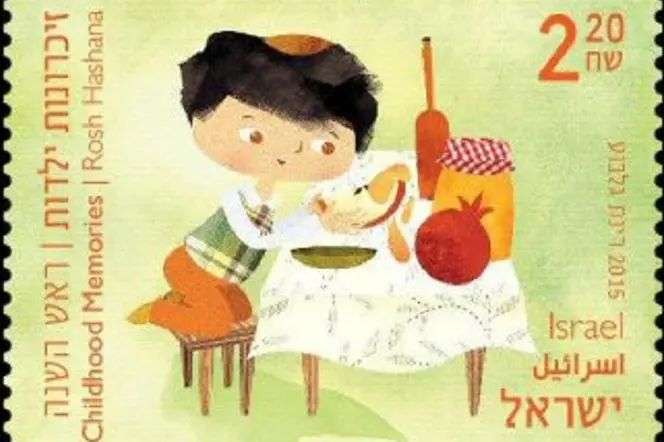
Rosh Hashanah is rich in customs reflecting its solemnity and joy. One of the significant practices includes the sounding of the shofar, a ram’s horn, which heralds the arrival of the new year and serves as a wake-up call for spiritual awakening. Jews are known to gather for special meals that often feature symbolic foods, such as apples dipped in honey, representing the desire for a sweet new year. Additionally, the Tashlich ceremony, where individuals cast off their sins by tossing breadcrumbs into a body of water, is another prevalent tradition during this time.
Current Practices and Community Engagement
In 2023, many Australian and UK Jewish communities will celebrate Rosh Hashanah with enhanced enthusiasm following two years of pandemic disruptions. Synagogues are preparing for larger turnouts as families reunite to celebrate this period of self-examination and hope for renewal. Virtual services continue to be an option, allowing those unable to attend in person to participate in rituals and prayers. With more than 440,000 Jews globally, the diverse rituals and customs demonstrate the adaptability and resilience of the Jewish community in maintaining traditions while embracing modernity.
Conclusion and Significance
Rosh Hashanah serves as more than just a new year; it represents a profound spiritual journey. As Jewish individuals and families come together to observe this sacred holiday, they reflect not only on personal growth in the past year but also set intentions for the year to come. The relevance of Rosh Hashanah transcends religious observance; it promotes community cohesion and encourages an examination of one’s values and goals. For many, engaging in these traditions fosters a sense of belonging and peace, which resonates throughout the year. As the Jewish New Year approaches, it invites everyone, regardless of their faith, to embrace the themes of property, reflection, and hope for a fruitful year ahead.
 Evelyn Mensah
 Kwame Ofori
 Ama Serwah