
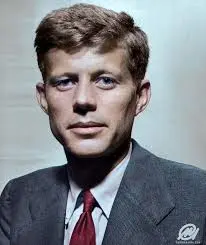
Introduction: The Importance of JFK
John F. Kennedy, the 35th President of the United States, remains a pivotal figure in American history. Assassinated in 1963, Kennedy’s administration was marked by significant events and transformative policies that continue to shape modern America. His legacy encompasses the civil rights movement, space exploration, and the Cold War, making his contributions crucial to understanding contemporary society.
Key Events During JFK’s Presidency
John F. Kennedy took office on January 20, 1961, during a time of tension in the world. His presidency was characterized by a number of momentous events:
- The Cuban Missile Crisis (1962): Perhaps the most critical moment of Kennedy’s presidency, this 13-day confrontation with the Soviet Union over the presence of nuclear missiles in Cuba brought the world to the brink of nuclear war. Kennedy’s measured response and backchannel negotiations with Soviet Premier Nikita Khrushchev are often credited with preventing a catastrophic outcome.
- The Civil Rights Movement: Kennedy faced significant pressure to support civil rights for African Americans. In 1963, he delivered a landmark speech advocating for civil rights legislation, which eventually led to the Civil Rights Act of 1964. His advocacy helped to legitimize the struggle for racial equality, influencing public opinion and legislative action.
- Space Race: Kennedy famously declared the ambitious goal of landing a man on the Moon by the end of the 1960s. His commitment to NASA and space exploration not only fostered technological advancement but also served to demonstrate American ingenuity and resolve in the context of Cold War rivalry with the Soviet Union.
Conclusion: The Significance of JFK’s Legacy
John F. Kennedy was a leader who possessed an unmatched charisma and vision for America. His tragic assassination on November 22, 1963, shocked the nation and left a profound void in American leadership during a tumultuous period. Despite his short tenure, JFK’s influence on American politics, social justice, and international relations has proven enduring. Today, his vision continues to resonate, with discussions surrounding civil rights, healthcare, and international diplomacy echoing his ideals. As America moves forward, the lessons of JFK’s presidency and the challenges he faced remain relevant for future generations, highlighting the ongoing struggle for equality and progress in society.
 Evelyn Mensah
 Ama Serwah
 Kwame Ofori