
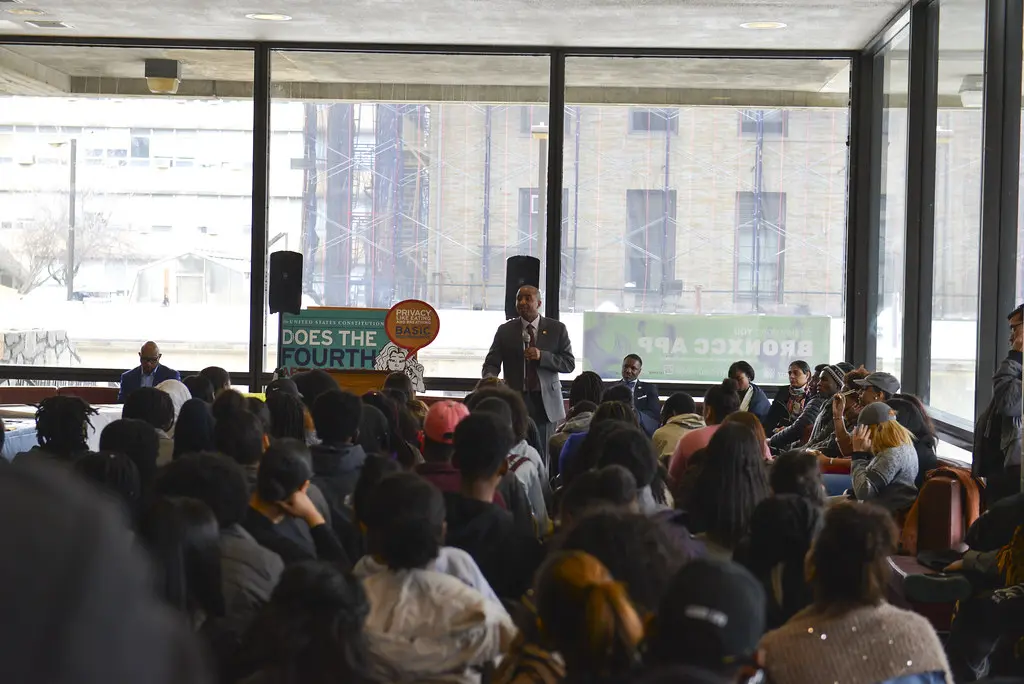
Introduction to HBCUs
Historically Black Colleges and Universities (HBCUs) play a crucial role in the American educational landscape. Established primarily to provide African American students with access to higher education during a time of widespread racial discrimination, these institutions not only serve as educational havens but also as cultural strongholds. With over 100 HBCUs currently operating in the United States, their significance extends beyond education; they are instrumental in shaping the leaders and professionals of tomorrow.
Current Events Surrounding HBCUs
In recent years, HBCUs have received increased attention and investment, reflecting a growing recognition of their contributions to society. In 2021, the federal government announced $2.7 billion in funding for HBCUs as part of the American Rescue Plan, which aimed to support institutions affected by the COVID-19 pandemic. This funding is critical as it not only helps with operational costs but also enhances the educational facilities, funding scholarships, and programs that promote academic excellence.
Moreover, academic partnerships between HBCUs and major corporations have also been on the rise. Tech giants such as Google, Amazon, and Apple have initiated programs to recruit and support students from HBCUs, thereby acknowledging their potential to diversify the workforce. For instance, Google launched its HBCU Career Readiness Program, focusing on equipping students with necessary skills for the tech industry.
Community and Cultural Significance
Beyond academics, HBCUs serve as vital community centres, fostering a strong sense of identity and belonging. They provide a unique cultural experience, emphasizing African American history, culture, and social justice. Events such as homecomings and cultural festivals unite alumni and students, reinforcing ties to the community and heritage.
The Future of HBCUs
As the landscape of higher education evolves, HBCUs are positioned to continue making significant contributions. With increasing enrollments and the establishment of progressive programs, these institutions are adapting to meet the needs of contemporary students. Furthermore, as discussions around racial equity and inclusion gain momentum, HBCUs are expected to play an integral role in shaping educational policies and practices.
Conclusion
In conclusion, HBCUs are not merely educational entities; they represent resilience, heritage, and a commitment to empowering generations of African American students. As society continues to grapple with issues of race and equality, the importance of HBCUs—and the need to support and invest in them—will only grow. For prospective students and educational stakeholders, HBCUs present a unique opportunity to participate in an enriching academic environment that champions diversity and cultural pride.
 Kwame Ofori
 Yaw Appiah
 Evelyn Mensah
 Ama Serwah