
Introduction
The Chernobyl disaster, which occurred on April 26, 1986, remains one of the most catastrophic nuclear accidents in history. Its significance is profound, not only due to the immediate human and environmental damage but also because of the long-term implications it has had on nuclear energy policies worldwide. As we approach the 40th anniversary of the disaster, understanding its impact and the reforms it has spurred is crucial for both current and future generations.
Overview of the Disaster
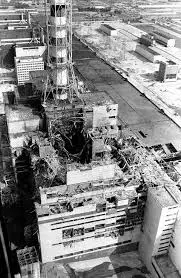
The explosion at Chernobyl’s Reactor No. 4 in the former Soviet Union sent a plume of radioactive particles into the atmosphere, affecting large parts of Europe. The immediate response was inadequate and poorly coordinated, leading to severe consequences. Approximately 31 people died within weeks due to acute radiation syndrome, and countless others have suffered long-term health effects, including cancers. The contaminated area has become known as the Chernobyl Exclusion Zone, spanning approximately 1,600 square kilometres.
Health and Environmental Consequences
The fallout from Chernobyl has had enduring effects on the health of local populations, with studies indicating higher rates of thyroid cancer, particularly among children who were exposed to radioactive iodine. Environmental impacts continue to be studied, with large areas still uninhabitable. However, the Exclusion Zone has also become a curious ecological refuge, with wildlife thriving amidst the absence of human activity.
Changes in Nuclear Policy
In the wake of Chernobyl, many countries revisited their nuclear safety regulations. International standards were enhanced, and a greater emphasis was placed on improving reactor design and emergency response protocols. The disaster acted as a catalyst for the establishment of the Chernobyl Forum in 1996, consisting of various UN agencies and nations, aimed at sharing knowledge and improving nuclear safety practices globally.
Educational and Cultural Impact
Chernobyl has transcended its role as a historical event, becoming a focus of cultural narratives. Documentaries, films, and even video games have explored the ramifications of the disaster, raising awareness about nuclear risks and safety. The 2019 HBO miniseries brought renewed attention to the event, sparking discussions about the ethics of nuclear energy and the importance of transparency in governance.
Conclusion
As we reflect on the Chernobyl disaster nearly four decades later, it serves as a reminder of the potential dangers associated with nuclear power and the importance of rigorous safety measures. The lessons learned from Chernobyl continue to shape international nuclear policy and safety protocols, making it a significant point of study for scientists, policymakers, and the public alike. Looking ahead, the legacy of Chernobyl remains a crucial chapter in the ongoing narrative of nuclear energy, ensuring that history is not repeated.
 Kwame Ofori
 Ama Serwah