
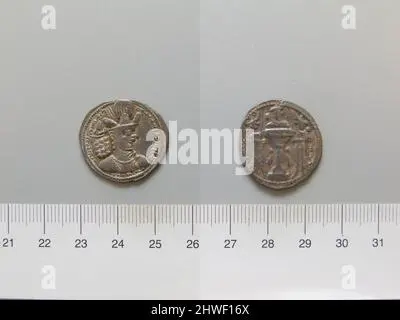
Introduction to Persia
Persia, known today as Iran, boasts a rich tapestry of culture, history, and achievements that have significantly shaped the ancient and modern world. The relevance of exploring Persian history lies in the region’s influential contributions to art, science, and governance, which resonate in present-day societies. Understanding Persia provides profound insights into the development of civilisations and cultural interactions across centuries.
The Rise of the Persian Empire
The Persian Empire, founded by Cyrus the Great in the 6th century BC, became one of the largest empires in history, stretching from the Indus Valley in the east to the Mediterranean Sea in the west. Under Persian rule, marked by notable kings such as Darius and Xerxes, the empire flourished through remarkable advancements in administration, infrastructure, and culture. The introduction of the Royal Road facilitated trade and communication across vast distances, boosting economic prosperity.
Cultural Achievements
Persia’s influence stretched beyond governance into the realms of art and science. Persian architecture is celebrated for its intricate designs and monumental structures, such as the grand palaces of Persepolis, symbolising imperial power. Additionally, Persian literature, most notably exemplified by the epic poems of Ferdowsi and Rumi, reflects the sophisticated linguistic and philosophical depth of the era.
Decline and Legacy
The decline of the Persian Empire began in the 4th century AD, attributed to various factors including external invasions and internal strife. However, Persian culture continued to thrive and evolve. The Islamic conquest in the 7th century integrated Persian traditions with Islamic influences, leading to a vibrant cultural renaissance. The enduring legacy of Persia can be observed in modern Iranian identity, where pre-Islamic heritage plays a significant role.
Significance in Today’s World
Today, understanding Persia’s history is crucial not only for historical academics but also for comprehending contemporary geopolitics in the Middle East. The region’s strategic significance, along with its rich cultural heritage, continues to attract global attention. As discussions on Iran’s role in international affairs evolve, the historical context of Persia serves as an essential backdrop for dialogues surrounding cultural identity and political dynamics.
Conclusion
In summary, the history of Persia is not merely an account of an ancient empire but a narrative that reveals the complexity of human achievement and interaction. As we reflect on Persia’s contributions to the world, it becomes clear that the lessons from this remarkable civilisation remain pertinent, offering pathways to understand cultural identity and global relations today.
 Kwame Ofori
 Ama Serwah
 Yaw Appiah
 Evelyn Mensah