

Expanded Season and Finals Series
Super Rugby Pacific has confirmed a revised competition structure for the 2027 season, which includes an expanded regular season and a new Finals Series format. The season is set to commence on Friday, February 12, with the ten participating teams competing over an extended 17-week regular season.
This expansion means each team will play 16 regular season matches, which is two more than in 2026. This increase is achieved through an additional week in the schedule and a reduction in byes from two to one. The 2027 Super Rugby Pacific Grand Final is scheduled for Saturday, June 26.
The Finals Series for 2027 will still feature the top six teams. However, the first and second-placed teams will now receive a week off and advance directly to the Semi-Finals. Teams finishing third and fourth will host Elimination Finals against the fifth and sixth-placed teams, with the winners progressing to the Semi-Finals as away teams.
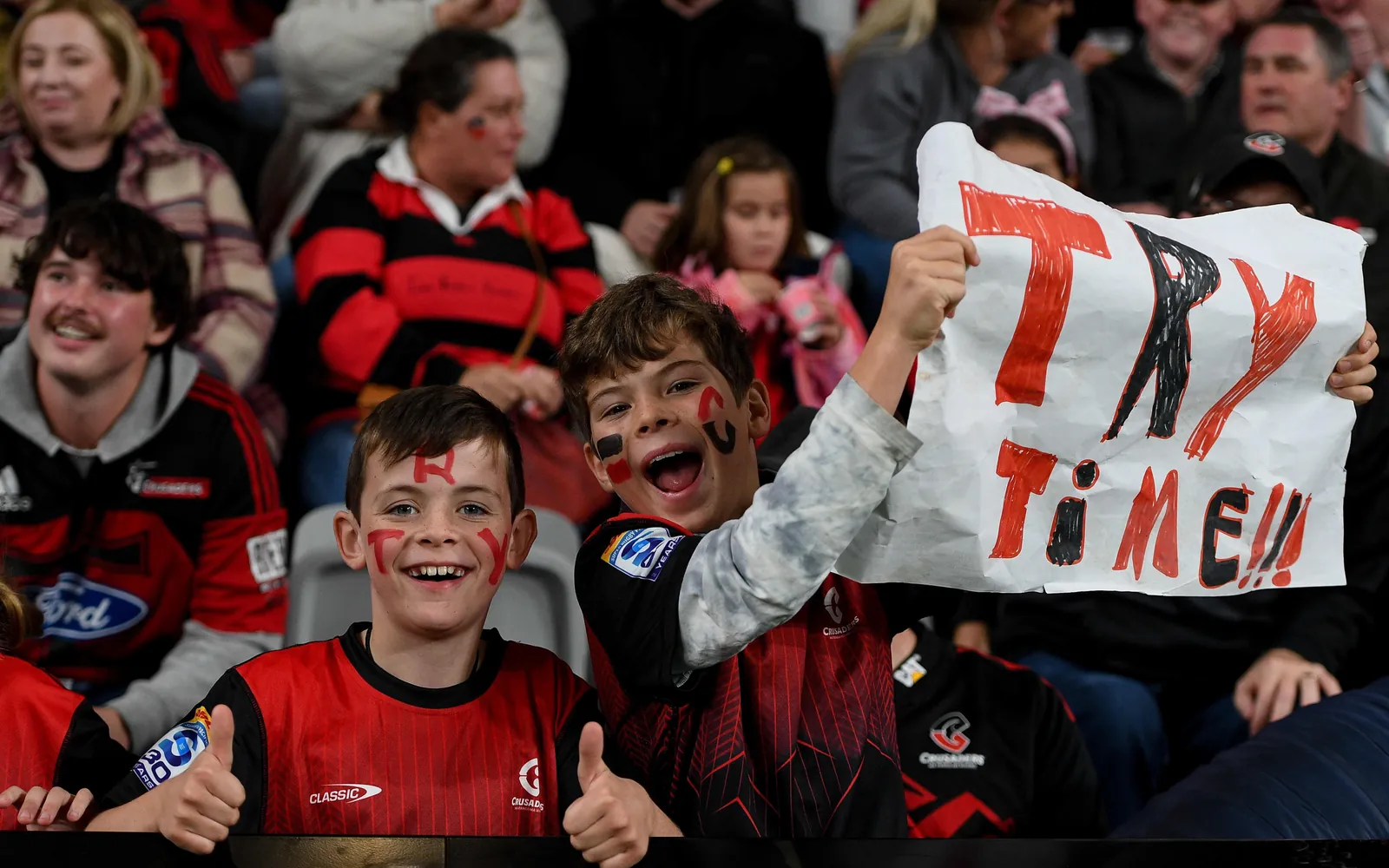
Jack Mesley, CEO of Super Rugby Pacific, stated that the refreshed format aims to maximize the 20-week competition window and deliver a more compelling Finals Series. He highlighted that the new structure is designed to provide more games and opportunities for fans to engage with their favorite teams.
The introduction of the Anzac Bledisloe to the calendar is also expected to increase the significance of every match, with national selection opportunities available from the season’s start in February. Following the success of the Super Round in 2026, efforts are underway to ensure it remains a key part of the calendar for the upcoming season.
Competition Health and Financial Considerations
Despite the confirmed changes for 2027, the competition has faced scrutiny regarding its sustainability, particularly after the liquidation of Moana Pasifika in May. New Zealand Rugby rejected several rescue bids for the club, citing that none met the necessary commercial and financial criteria, leading to the confirmation that Moana Pasifika would not participate in Super Rugby in 2027.
Mesley maintains that Super Rugby is in strong health, pointing to positive results for a third consecutive season. He noted rising attendances, television audiences, and digital engagement as indicators of the competition’s momentum. Total season attendance across Super Rugby reportedly increased by 11.7 percent from 2025, with previous growth of 7 percent in 2024 and 6 percent in 2025.
According to figures from Sky, streaming platforms saw audience growth of 16 percent this season, and social media video views for Super Rugby Pacific content increased by 13 percent during the regular season. Mesley acknowledged that there is still room for improvement, particularly in filling empty seats at venues.
However, concerns persist within the sport regarding the competition’s financial model. Moana Pasifika is the second franchise to exit in three seasons, following the demise of the Melbourne Rebels at the end of 2024. This has intensified worries about the financial stability of the remaining clubs.
It is understood that the five New Zealand teams—the Hurricanes, Chiefs, Highlanders, Crusaders, and Blues—all incurred losses last year. While the championship-winning run of the Hurricanes might improve their financial outlook, clubs cannot solely depend on hosting finals to achieve financial stability.
Malcolm Gillies, chair of the Hurricanes, expressed concerns about the sustainability of Super Rugby in its current form, suggesting that structural change is necessary. This sentiment is shared by others who believe that full privatization of the competition is inevitable.
Private investment is already present in the Hurricanes and Highlanders, with the Chiefs reportedly moving in a similar direction. The Blues and Crusaders operate under a mixed ownership model, where 60 percent of the franchise is owned by provincial unions in their respective catchment areas.
Colin Mansbridge, CEO of the Crusaders, indicated that full privatization is an option, which would involve New Zealand Rugby relinquishing broadcast rights to the clubs and allowing the competition to be run independently. This would also mean clubs would be responsible for player wages, which New Zealand Rugby currently covers.
Clubs have expressed a desire for more home fixtures to generate gate revenue. While a 10-team competition could lead to fewer byes and a shorter season, a complete home and away format is considered unlikely due to the increased length it would entail. New Zealand Rugby and most stakeholders reportedly favor a six-team finals format to ensure Australian teams participate in the playoffs, thereby maintaining interest in the Australian market.
Beyond the immediate adjustments, administrators are exploring long-term growth strategies, including the inaugural Anzac Test between the All Blacks and Wallabies in Brisbane next April, which is expected to generate interest in the early rounds of Super Rugby. Further details regarding the 2027 Super Rugby Pacific draw are expected to be announced in the coming weeks.
Source: super.rugby
 Ama Serwah
 Yaw Appiah
 Kwame Ofori