
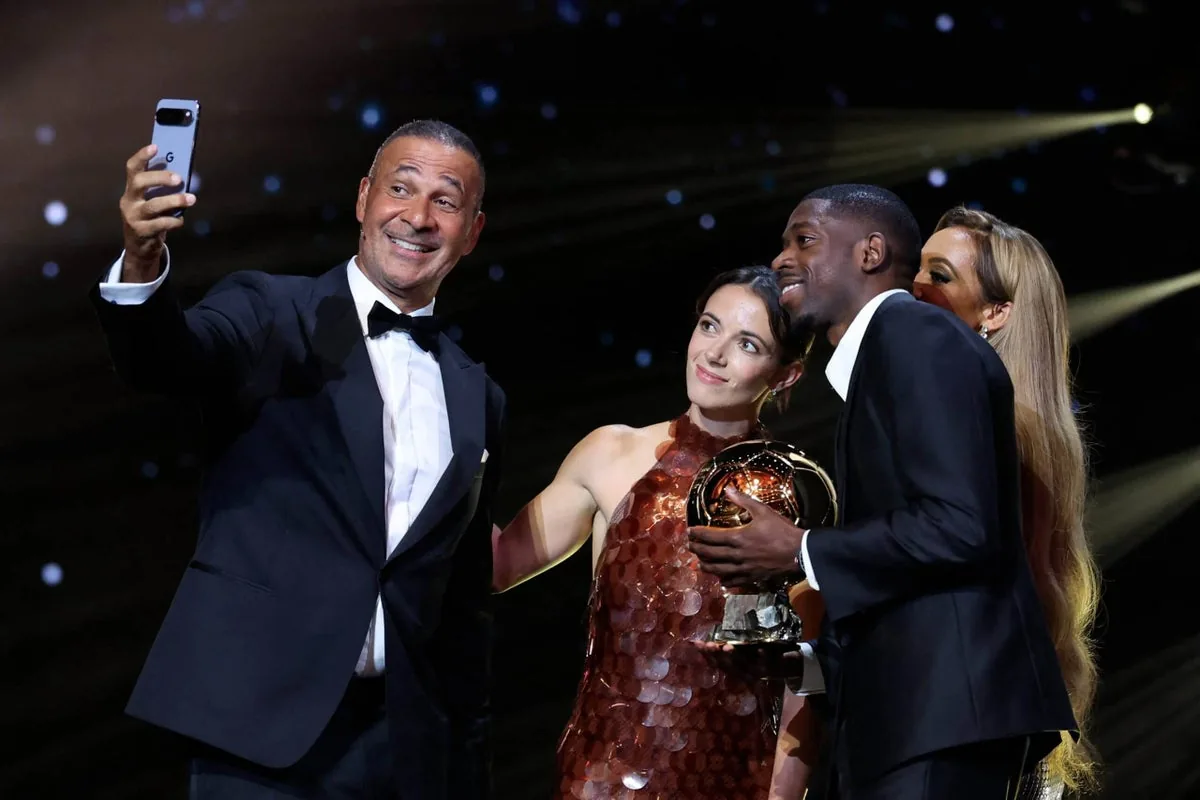
Ballon d’Or: A Legacy of Football Excellence
The Ballon d’Or, established by France Football in 1956, stands as one of football’s most prestigious individual honours. This award recognises exceptional talent and outstanding achievements on the pitch, chronicling the sport’s greatest individual performers over 70 years. Initially, the award was restricted to European players, which meant iconic figures such as Brazil’s Pelé and Argentina’s Diego Maradona were not eligible during much of their careers.
A significant change occurred in 1995 when the eligibility criteria expanded to include players of any nationality competing for European clubs. This pivotal alteration led to Liberia’s George Weah becoming the first African and non-European recipient of the award that same year. Further global expansion in 2007 extended eligibility beyond players in European clubs, making the award truly worldwide.
Between 2010 and 2015, the Ballon d’Or underwent a branding change, merging with the FIFA World Player of the Year prize and becoming known as the FIFA Ballon d’Or. During this period, Lionel Messi secured four consecutive awards from 2010 to 2012, with Cristiano Ronaldo claiming the prize in 2013 and 2014. The partnership concluded after the 2015 edition, with France Football resuming control of the award from 2016.
The award also expanded in 2018 with the introduction of the women’s award, the Ballon d’Or Féminin, which recognised the outstanding female footballer of the year. Norway’s Ada Hegerberg was the first winner of this honour. In 2022, organisers shifted the evaluation period from a calendar year to a season-based assessment. Since 2024, UEFA and Groupe Amaury, the owner of France Football and L’Équipe, have co-organised the ceremony.
Voting Process and Criteria
The selection process for the Ballon d’Or involves a rigorous system. Nominees are compiled by France Football’s editorial staff and other members of the award’s selection structure. The final list is then presented to journalists responsible for voting. Unlike some other major individual football awards, the Ballon d’Or is decided by journalists.
For the men’s award, one specialist journalist from each of the top 100 countries in the FIFA men’s world ranking casts a vote. The women’s award involves journalists representing the top 50 countries in the FIFA women’s ranking. Jurors rank their preferred candidates, with points allocated based on each player’s position on the ballot. The voting criteria prioritise individual performance and a player’s decisive influence, alongside collective achievements, trophies, sporting conduct, and fair play.
This system ensures that the Ballon d’Or is not solely determined by the number of trophies won, but also by individual performances and a player’s impact during the assessment period. This methodology, along with the secrecy surrounding the voting process, contributes to the suspense and discussion surrounding the award each year.
Recent Winners and Future Events
Lionel Messi holds the record for the most men’s Ballon d’Or victories with eight awards, followed by Cristiano Ronaldo with five. Johan Cruyff and Michel Platini each won the trophy three times. Platini remains the only player to win the award in three consecutive years, achieving this in 1983, 1984, and 1985. The award was not presented in 2020 due to disruptions caused by the COVID-19 pandemic.
Paris Saint-Germain and France forward Ousmane Dembélé was named the most recent winner, claiming the 2025 award. His victory was met with significant attention, with just under 2.5 million people viewing the ceremony live on the L’Equipe channel in France, and an average of 1.6 million watching the event unfold. An additional 5 million watched various outputs on L’Equipe’s YouTube channel throughout the day. Dembélé’s first post confirming his victory on X reached 19 million users.
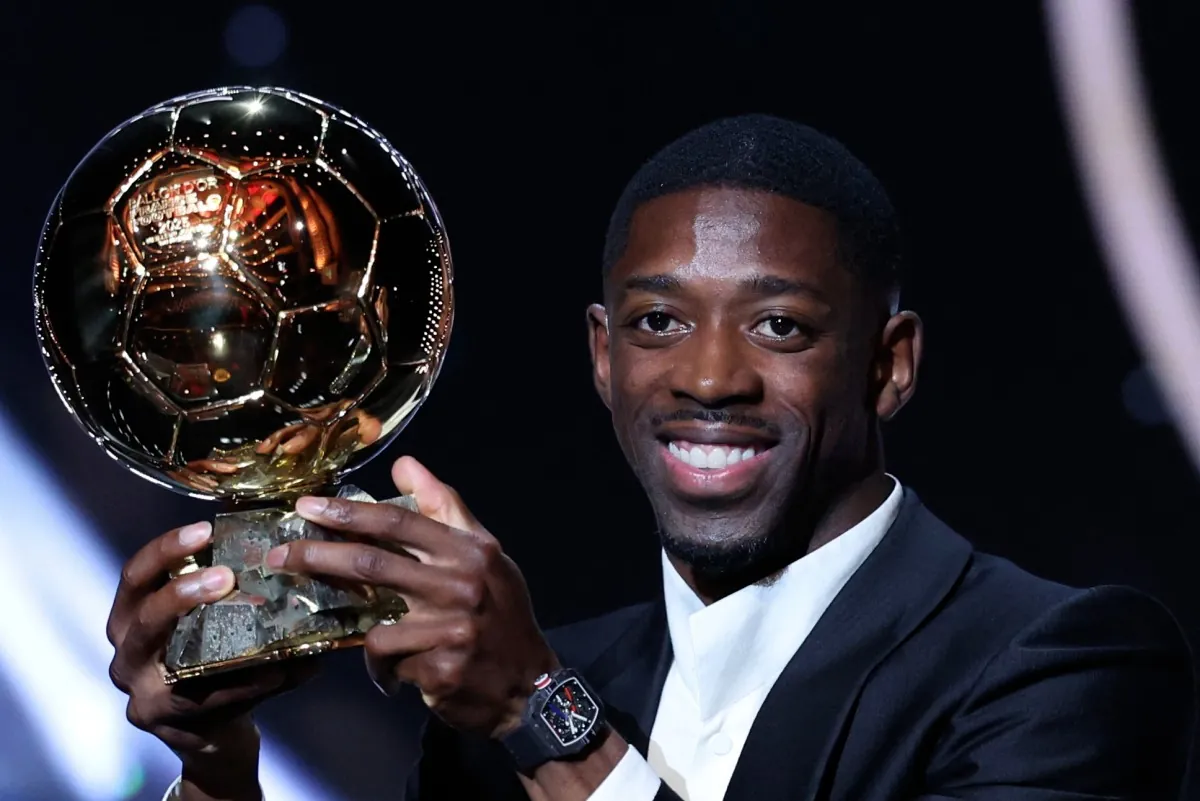
The 2026 edition, marking the 70th in the award’s history, is scheduled to take place in London on October 26. This will be the first time the ceremony is held in the British capital. France Football announced a 30-man shortlist for the men’s Ballon d’Or, including Harry Kane, Erling Haaland, Lionel Messi, Kylian Mbappé, Lamine Yamal, and defending champion Dembélé among the nominees.
The Ballon d’Or continues to be a definitive benchmark for individual greatness in professional football, with its rich tradition and modern voting standards ensuring it remains a highly anticipated milestone in the sport.
Source: punchng.com
 Ama Serwah
 Yaw Appiah
 Evelyn Mensah