
Dramatic World Cup encounter
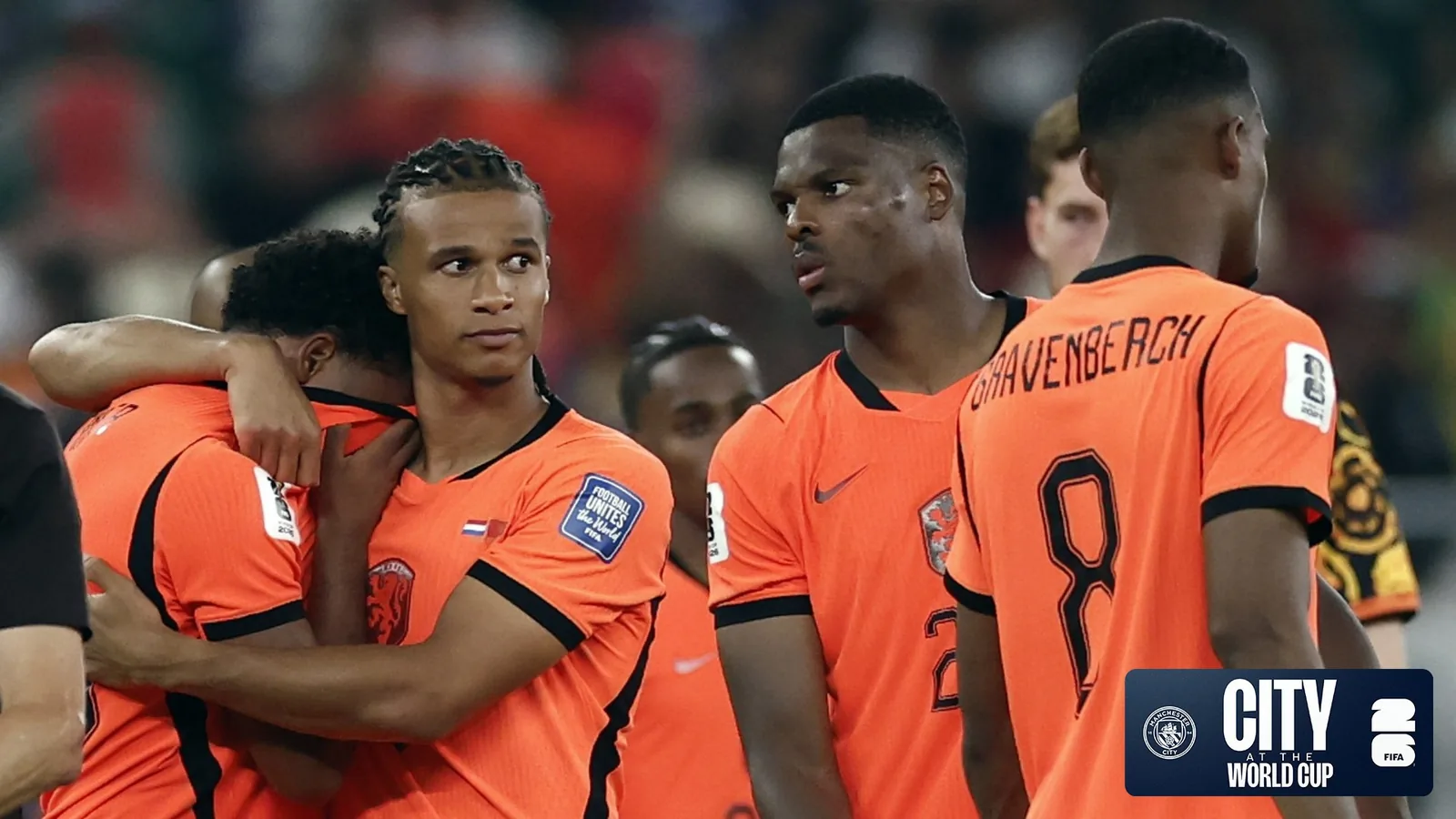
The Netherlands faced Morocco in a World Cup last-32 tie that carried significant cultural weight. The match concluded with Morocco eliminating Ronald Koeman’s team in a penalty shootout after the game ended in a 1-1 draw. This dramatic outcome led to widespread celebrations among the Moroccan community in Amsterdam, while in The Hague, the atmosphere became tense, with reports of bottle-throwing and arrests.
The game, held in Monterrey, Mexico, saw Cody Gakpo give the Netherlands the lead in the 72nd minute. This goal followed a superb break initiated by Crysencio Summerville. Gakpo’s emotional celebration came days after he and his partner announced the loss of their unborn son. However, Morocco equalized in stoppage time when Issa Diop scored with a header in the 90th minute, sending the match into extra time.
During extra time, Morocco had a significant opportunity to take the lead when Soufiane Rahimi was one-on-one with Dutch goalkeeper Bart Verbruggen. Verbruggen made a crucial save, deflecting the shot from close range. Despite this, Morocco ultimately triumphed in the penalty shootout, winning 3-2. Ismael Saibari converted the decisive spot-kick after Yassine Bounou saved Summerville’s penalty, and both teams experienced missed opportunities and saves during the shootout.
This victory means Morocco will now face Canada in the last-16. The Netherlands, on the other hand, became the second European team to be eliminated on penalties within hours, following Germany’s defeat to Paraguay.
Community reactions and political discourse
The match was viewed by many as more than just a football game, particularly in the Netherlands, home to approximately 440,000 people of Moroccan descent. Before the game, many individuals faced questions about which team they would support. While often good-natured, this dilemma highlighted the dual loyalties felt by some. Former manager Ron Jans and pundit Ibrahim Afellay, who was capped 53 times for the Netherlands, discussed this on Dutch national television, with Afellay explaining his support for Morocco.
The online environment, however, presented a different picture. Far-right politician Geert Wilders, known for his verbal and social media attacks on Muslims and the Moroccan community, contributed to a more divisive atmosphere. Wilders had previously promised to reduce the number of Moroccans in the country and had posted an anti-Islam insult related to Moroccan players praying. Before the game, he shared an AI-generated image depicting himself as a referee giving a red card to a Moroccan player. After Morocco’s victory, Wilders used social media to congratulate the team.
The rise of Wilders and other right-wing populist parties has been cited by Dutch-Moroccan players as a reason for their increasing alignment with Morocco. While Afellay chose to represent the Netherlands, some of his successors have not. Three members of Morocco’s squad—Noussair Mazraoui, Sofyan Amrabat, and Anass Salah-Eddine—were born in the Netherlands but chose to play for Morocco. This decision prompted criticism from some politicians and commentators on the right, who questioned their loyalty to their country of birth.
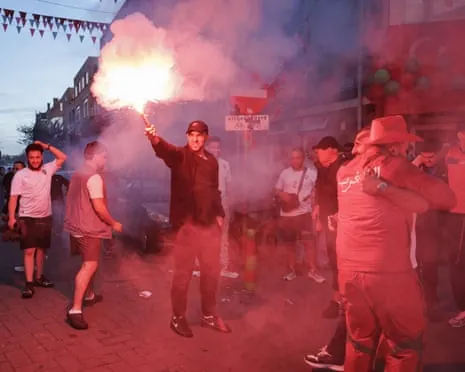
In Amsterdam, celebrations were largely peaceful. In the western part of the capital, an area with a significant Moroccan population, the atmosphere remained calm. Some establishments, including a Dutch-Moroccan-owned cafe decorated with orange flags, stayed open. At the events venue Het Sieraad, roughly a quarter of the 200 spectators supported the Atlas Lions without conflict. Women wearing headscarves sang the Dutch anthem, and individuals in orange shirts clapped for Morocco’s team. After the game, car horns filled the streets of Amsterdam as fans waved flags, and Dutch fans were observed congratulating their opponents. Police presence was noted in Mercatorplein square, a location that had experienced violent outbursts after previous Moroccan games, but this morning saw only joy.
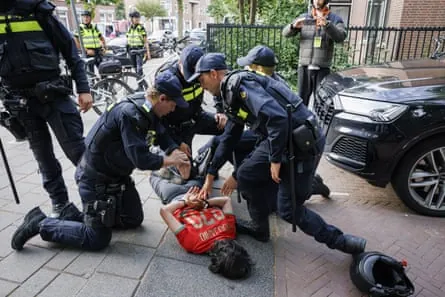
Conversely, in The Hague, the situation escalated. The Dutch public broadcaster NOS reported that police were targeted with bottles and fireworks approximately an hour after Morocco’s win. Regional news station Omroep West indicated that at least 10 individuals, believed to be Moroccan fans, were arrested in The Hague following attacks on the police. Additionally, the newspaper Algemeen Dagblad reported four arrests of Moroccan fans in Rotterdam, though the reasons for these arrests were not specified. The debate on social cohesion is expected to continue following these events.
Tactical analysis and future implications
Morocco’s performance in the match demonstrated their strength, as they are ranked sixth in FIFA’s rankings, one place above the Netherlands. They were semi-finalists in the previous World Cup and were considered superior to the Netherlands in this particular game. Despite their dominance, Morocco’s wastefulness in front of goal nearly cost them the match.
For the Netherlands, coach Ronald Koeman’s tactics have come under scrutiny. His decision to switch to a back five against Morocco resulted in his team surrendering possession, allowing the African side to control the game. While Gakpo’s goal and Verbruggen’s saves nearly salvaged the situation, Koeman’s defensive changes ultimately backfired. This tactical approach is expected to be a major point of discussion as the Netherlands’ disappointing exit from the World Cup is analyzed. When asked about his future, Koeman stated that it was not the right moment to discuss it, but he would address it starting the following day.
Morocco defender Noussair Mazraoui acknowledged the difficulty of the match, describing the Netherlands as a tough opponent and a top-10 team globally, potentially a contender for the World Cup. He emphasized that their victory was a significant achievement for the national team. The Netherlands’ wait for World Cup glory continues after this defeat.
Source: theguardian.com
 Ama Serwah
 Yaw Appiah
 Evelyn Mensah