
Controversial Egypt versus Argentina Match
The recent World Cup 2026 match between Egypt and Argentina has ignited significant controversy, particularly concerning decisions made by the video assistant referee (VAR) system. Egypt was eliminated from the tournament following a 3-2 loss to Argentina, despite having held a two-goal lead during the game. The Egyptian Football Association formally protested to FIFA, requesting an investigation into alleged inconsistencies in refereeing decisions that they believe influenced the final score.
During the match, a goal scored by Mostafa Zico for Egypt, which would have put them 2-0 up against Lionel Messi’s Argentina, was disallowed after a video review. The foul leading to the disallowance reportedly occurred approximately 20 seconds earlier and about 100 yards away from the goal. Later, Zico did score a valid goal, but Argentina quickly responded with three goals to secure the win.
The disallowance of Zico’s initial goal sparked strong reactions among fans and team members. Mohamed Bakar, who travelled to watch the game, expressed his disappointment, stating that the game did not feel fair. Zico himself, in a post-match interview, commented on the referee’s perceived unfairness, suggesting the tournament might be fixed. Egypt coach Hossam Hassan also indicated that both internal and external factors influenced the result, speculating that there might have been a desire to keep the world champion and Messi in the competition.
While there is no definitive evidence to support claims of rigging, many point to a pattern of decisions that appeared to favour the defending champions at Egypt’s expense. Similar incidents, they argue, were not treated the same way when they occurred before Argentina’s goals, both in this match and earlier in the tournament. Stefan Szymanski, co-host of “The Soccernomics Podcast,” noted that top players like Messi often receive preferential treatment due to their status as moneymakers in the sport, influencing aspects such as referee selection.
VAR and Allegations of Bias
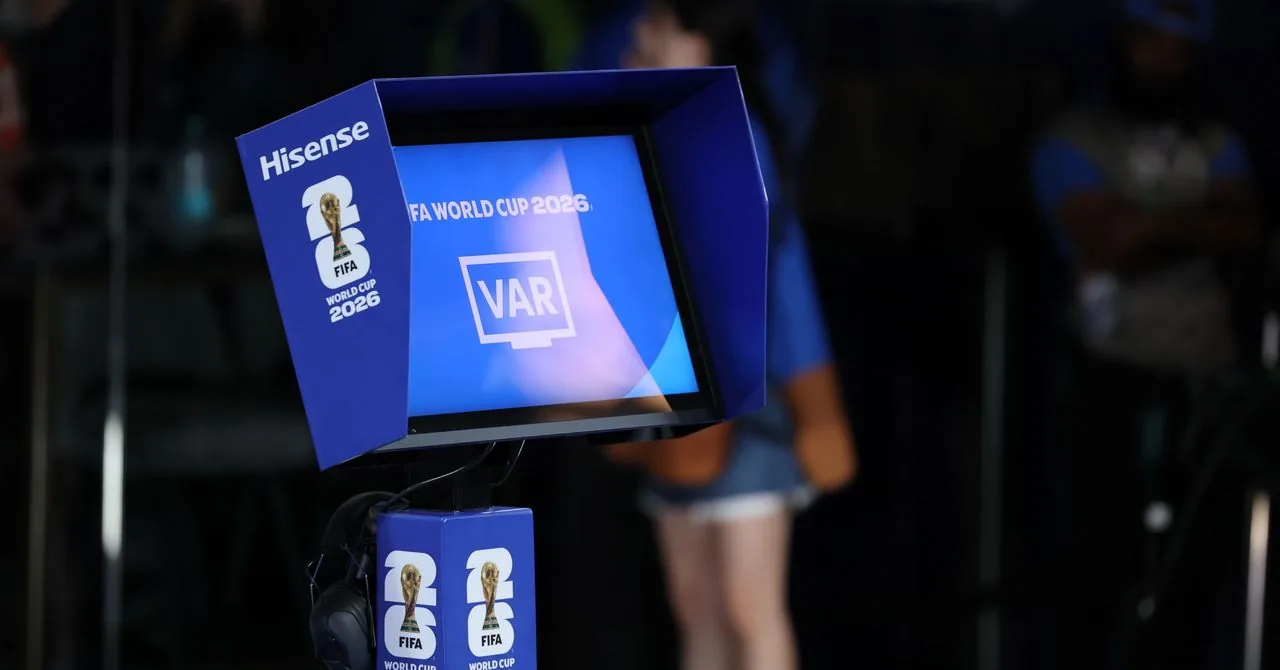
The controversy surrounding the Egypt–Argentina match has brought the VAR system under scrutiny. Designed to assist on-field officials in making fairer decisions, VAR’s use has been criticised for allegedly favouring certain teams. The Egyptian Football Association stated that it “cannot remain silent regarding the refereeing decisions observed during the match against Argentina,” highlighting the importance of integrity, fairness, and transparency in refereeing for a competition of the World Cup’s magnitude.
Similar complaints about disallowing goals have been a recurring theme throughout this year’s World Cup. Some critics suggest that, despite technological advancements, decisions are still made with an apparent intent to benefit specific national teams. Others argue that VAR, while disrupting the flow of the game, could be used as a tool to adjust refereeing decisions to favour certain teams.
VAR was first introduced in a World Cup during the 2018 tournament in Russia and has since been implemented in over 100 competitions globally. The system utilises 42 broadcast cameras, including eight providing super-slow-motion footage and four offering ultra-slow-motion footage, along with cameras that use semi-automated technology for offside detection. A team of video assistant referees reviews this information to report potential anomalies to the head referee, who then assesses the footage.
For this edition of the World Cup, FIFA expanded the situations eligible for review, including correcting erroneous second yellow cards and preventing unjust send-offs. Former Mexican World Cup referee Armando Archundia noted that features were also incorporated to detect infractions related to the Prestianni-Vinícius Rule, which penalises players for covering their mouth during confrontations. Fernando Galván, a sports analyst, explained that VAR aims to provide better information to referees to ensure justice, not to eliminate error entirely.
Despite the technological infrastructure, both Galván and Archundia agree that football remains a subjective sport, and refereeing decisions depend on individual interpretation. Archundia pointed out that only about 20 percent of countries participating in this World Cup have VAR in their domestic competitions, suggesting that FIFA’s training efforts for referees in using new technologies might be insufficient, especially given the ongoing challenge of standardising criteria.
Broader Implications for Global South Fans
The feelings of injustice extend beyond the Egypt match, resonating with fans from the Global South who perceive a pattern of unfairness in major sporting events. This sentiment is often linked to broader geopolitical issues, where smaller, poorer, and less powerful countries are seen as disproportionately affected by inequalities, including refereeing decisions in sports.
FIFA’s historical record of corruption, criminality, and corporate greed contributes to a widespread belief among fans that the organisation prioritises commercial interests over fair play. A decade ago, a U.S. Department of Justice investigation led to the indictment of nine FIFA executives for racketeering, wire fraud, and money laundering, resulting in the resignation of former FIFA President Sepp Blatter. This past fuels skepticism and makes it easier for people to believe the worst when controversies arise.
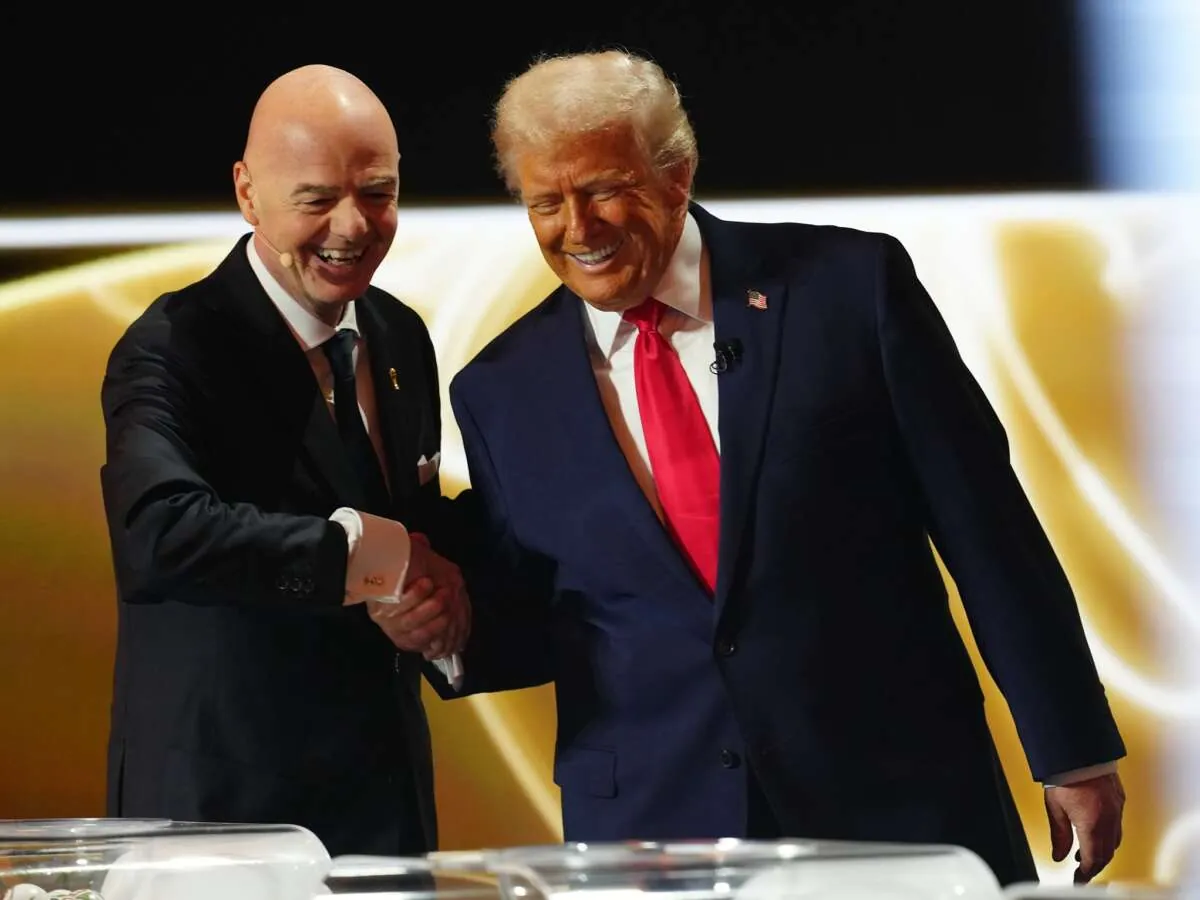
In the lead-up to the World Cup, current FIFA President Gianni Infantino’s interactions with Donald Trump, particularly regarding the suspension of U.S. star Flo Balogun, also raised concerns. Balogun, who was initially suspended after receiving a red card, was reportedly able to play following a call from Trump to Infantino. While Infantino insisted the decision was made independently, the context of FIFA’s past made it easy for many to believe otherwise. Andrew Giuliani, head of the White House Task Force on the FIFA World Cup 2026, further complicated the optics by invoking Trump’s record on electoral integrity in defence of the situation.
Another instance of perceived injustice involved the Iranian team, which faced travel challenges due to U.S. visa restrictions, impacting their preparation and recovery time between games. When a goal that would have advanced them to the next round was disallowed, many Iranians felt it was another instance of unfair treatment. These incidents contribute to a growing sense among fans that the World Cup is not always fair, especially for teams from the Global South.
The emotions surrounding these events for fans from the Global South are often tied to larger issues than just the game itself, reflecting broader inequalities experienced globally.
The Egyptian Football Association‘s formal protest to FIFA demanding an investigation into the alleged inconsistencies underscores the ongoing concerns regarding refereeing decisions in the 2026 World Cup.
Source: truthout.org
 Ama Serwah
 Yaw Appiah
 Evelyn Mensah
 Kwame Ofori