
Introduction
Tallinn, the capital of Estonia, is a city that seamlessly blends medieval history with modern innovation. Its well-preserved Old Town is a UNESCO World Heritage site, drawing tourists from across the globe. As cities worldwide continue to grapple with the challenges post-pandemic, Tallinn stands out as a symbol of resilience and cultural richness, making it an increasingly relevant destination for both leisure and business travel.
A Historical Overview
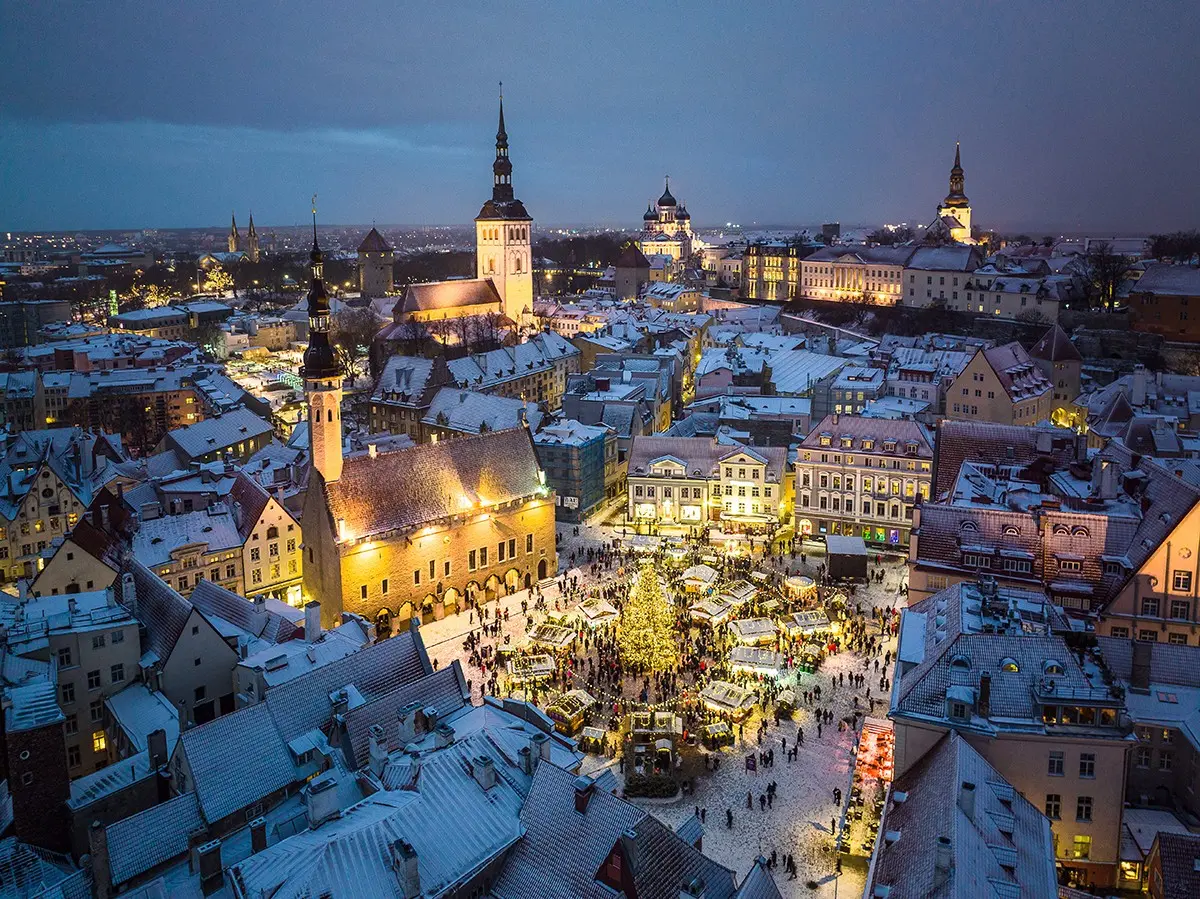
The roots of Tallinn can be traced back to the early 13th century, when it was established as a significant trading post. The city’s charming cobblestone streets, Gothic spires, and medieval structures, such as the Toompea Castle and the Alexander Nevsky Cathedral, reflect its storied past. In recent years, Tallinn has also embraced its tech-forward image, securing its place as one of Europe’s leading digital cities.
Recent Developments
In 2023, Tallinn has witnessed an upswing in tourism, with officials reporting a 20% increase in visitors since the previous year. The city’s initiatives to promote sustainable tourism and digital innovation have attracted more international events and conferences. A notable event this year was the Tallinn Music Week, which celebrated local and international artists, strengthening the city’s position as a cultural hub in the Baltic region.
Culinary Scene and Cultural Offerings
Tallinn also boasts a vibrant culinary scene. With an array of restaurants offering traditional Estonian cuisine and modern twists, food lovers are in for a treat. Restaurants like Rataskaevu 16 and Farm showcase local ingredients and innovative cooking methods. Additionally, the city is home to numerous galleries, museums, and theatres, enhancing its cultural landscape.
Future Outlook
As Tallinn looks ahead, the city’s commitment to sustainable development will likely shape its identity. Plans to expand green spaces and improve public transport continue to take precedence, ensuring that it remains a livable city for its inhabitants and an appealing destination for visitors. The combination of historical charm and innovative spirit makes Tallinn a key player on the European stage.
Conclusion
In conclusion, Tallinn represents a unique intersection of the past and the future. Its continued growth in tourism and cultural initiatives signals a promising future for the capital. Readers considering their next travel destination may find that Tallinn, with its rich history and forward-thinking mindset, is a remarkable place to explore.
 Kwame Ofori
 Ama Serwah
 Yaw Appiah