
Introduction
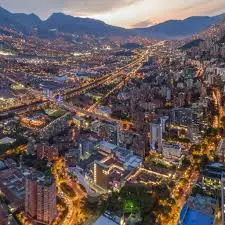
Medellin, the second-largest city in Colombia, has seen a remarkable transformation over the past few decades, evolving from a center of violence to a beacon of innovation and culture. Once notorious for its association with drug cartels, Medellin has emerged as a vibrant urban centre that champions social change, cultural explosion, and technological advancement. This emerging narrative is significant not only for Colombia but also serves as an important lesson in urban revitalisation worldwide.
The Transformation Journey
The city’s metamorphosis began in the early 2000s, catalysed by local government initiatives focusing on education, infrastructure, and civic engagement. Notably, the introduction of the Metrocable, a cable car system connecting peripheral communities to the city centre, revolutionised access for thousands of residents, thereby integrating previously isolated neighbourhoods into the urban framework.
In addition to transportation reforms, Medellin has invested in public spaces and cultural institutions. The renovation of Parque Biblioteca España, for instance, transformed a once neglected area into a thriving cultural hub. The city has taken pride in hosting festivals such as the Festival Internacional de Tango and Feria de las Flores, showcasing Medellin’s rich cultural heritage and drawing tourists from around the globe.
Current Developments and Social Impact
Medellin continues to evolve, particularly with technological advancements and sustainable initiatives. The city has been recognised as one of the world’s leading smart cities due to its initiatives in innovation and technology, such as the establishment of the Ruta N business and innovation centre. This hub encourages entrepreneurship and has gained international recognition for fostering startups and tech companies.
Socially, Medellin’s community projects focus on inclusivity and reducing inequality. The local government, in collaboration with NGOs, has been implementing programs aimed at improving education and job opportunities for at-risk populations. Medellin’s ongoing efforts to strengthen social fabric demonstrate their commitment to ensuring that no one is left behind during its growth.
Conclusion
The transformation of Medellin is an inspiring example of resilience and proactive leadership. As the city embraces its new identity, it becomes increasingly significant on the global stage. The lessons learned from its journey can motivate other cities facing similar challenges, as they highlight the impact of community engagement, innovative thinking, and the importance of investing in human capital for sustainable development. Looking ahead, Medellin holds the potential for further growth, symbolising hope and progress for the future of urban centres following its path of renaissance.
 Kwame Ofori
 Ama Serwah
 Evelyn Mensah