
Introduction
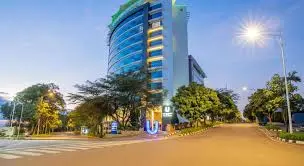
Kigali, the capital city of Rwanda, has emerged as a pivotal centre of culture and commerce in East Africa. With its lush hills and stunning landscape, Kigali not only showcases the resilience of the Rwandan people but also serves as a beacon of progress and innovation in the region. Understanding Kigali’s significance is vital for appreciating Rwanda’s transformation in the wake of its historical challenges.
The Growth of Kigali
Following the 1994 genocide, Kigali has witnessed incredible growth and revitalization. The government has invested significantly in infrastructure, urban planning, and tourism, making it one of the cleanest and safest cities in Africa. Current initiatives focus on smart urban development, with a commitment to sustainable standards. The city’s population has surged, increasing from approximately 400,000 in 1994 to over 1.3 million today.
Cultural Significance
Kigali is rich in cultural attractions, including the Kigali Genocide Memorial, which serves as a somber reminder of the nation’s past while promoting healing and education. The city also hosts a variety of art galleries, museums, and craft markets, depicting Rwanda’s cultural heritage. Events such as the Kigali Up! Music Festival and the Rwanda Film Festival showcase local talent and invite international artists, further solidifying Kigali as a cultural hub.
Economic Development
As a growing economic centre, Kigali has become a hotspot for investment in various sectors including technology, hospitality, and manufacturing. The Rwandan government has been proactive in launching initiatives such as the Kigali Innovation City, designed to attract tech companies and entrepreneurs. This project is part of Rwanda’s broader vision of transforming into a knowledge-based economy.
Tourism Potential
Tourism plays a crucial role in Kigali’s economy, with visitors drawn to attractions like the Nyamirambo Women’s Centre and the vibrant local cuisine. Tour operators are increasingly focusing on eco-tourism, showcasing the nearby Volcanoes National Park, home to the endangered mountain gorillas. In 2023, tourism in Rwanda saw a significant rebound post-COVID, with Kigali at the forefront as both a gateway and destination.
Conclusion
In conclusion, Kigali stands not only as the capital of Rwanda but also as a symbol of resilience and progress. Its continued growth in culture, economy, and tourism presents exciting prospects for both residents and international visitors. As Kigali evolves, it is essential for individuals and investors to remain informed about the dynamics shaping this vibrant city, which truly embodies the spirit of modern Rwanda.
 Kwame Ofori
 Ama Serwah
 Yaw Appiah