
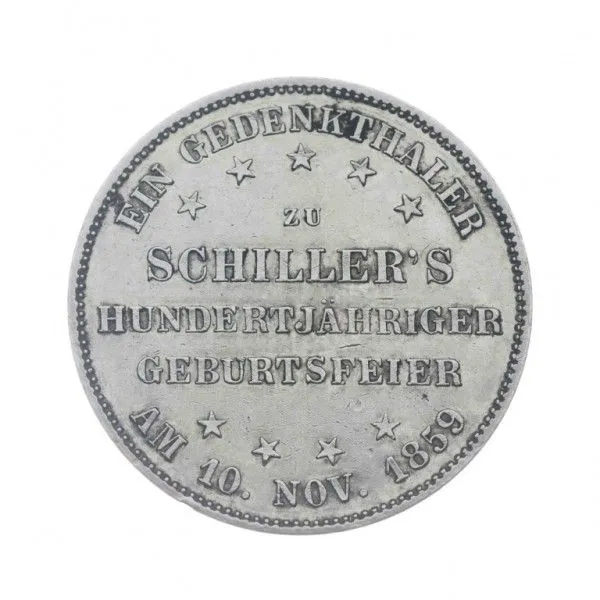
Introduction to Frankfurt
Frankfurt am Main, often referred to simply as Frankfurt, is Germany’s fifth-largest city and one of Europe’s major financial hubs. Known for its towering skyline, vibrant cultural scene, and historical significance, Frankfurt serves as a critical juncture for commerce and tourism in Germany. In recent years, the city has garnered attention not only for its economic activities but also for its rich history and diverse offerings, making it a prime destination for both business and leisure travellers.
Financial Importance and Economic Growth
Home to the European Central Bank, Deutsche Bank, and numerous other financial institutions, Frankfurt is a cornerstone of Europe’s economy. Despite global financial uncertainties, Frankfurt has demonstrated resilience, attracting companies and talent alike. The city’s economy is further bolstered by its strong transport infrastructure, with one of the busiest airports in Europe and an extensive public transport system. Recent data from Eurostat indicated that Frankfurt’s GDP growth rate exceeded the EU average, underlining its importance on the continent.
Cultural Richness and Landmarks
Beyond its role as a financial powerhouse, Frankfurt is rich in culture and history. The Römer, a medieval building that has served as the city hall for over 600 years, is one of the city’s most iconic landmarks, attracting countless visitors each year. The Städel Museum, housing an impressive collection of masterworks, illustrates Frankfurt’s commitment to the arts. The city’s annual events, such as the Frankfurt Book Fair and the Christmas Market, further showcase its cultural vibrancy, drawing participants and visitors from around the globe. In addition, the River Main offers picturesque views of the skyline and is a popular spot for locals and tourists alike to enjoy outdoor activities.
Future Prospects
As Frankfurt continues to grow and evolve, its dual identity as a financial centre and cultural hub will likely attract even more international investment and tourism. The city’s ongoing efforts to support sustainability, innovation, and multicultural integration will significantly shape its future. Recent initiatives, such as the Frankfurt Green City Strategy, aim to enhance urban living and sustainability, making the city a more desirable location for future generations.
Conclusion
Frankfurt represents a fascinating blend of tradition and modernity. Its status as a financial capital coupled with a rich cultural heritage and commitment to future development highlights why it remains a significant player on both the European and world stage. For those considering investing, travelling, or even relocating, Frankfurt offers numerous opportunities backed by its vibrant atmosphere and strategic importance.
 Kwame Ofori
 Ama Serwah
 Yaw Appiah
 Evelyn Mensah