
Introduction
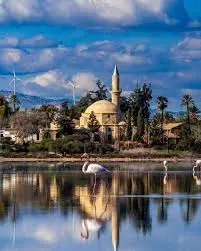
Larnaca, one of the oldest cities in Cyprus, offers a unique blend of culture, history, and stunning Mediterranean landscapes. Located on the southern coast of the island, it is not only a gateway for international travelers but also a popular destination for those seeking sun, sea, and cultural exploration. As the third-largest city in Cyprus, Larnaca plays a significant role in the country’s economy and tourism sector, making it essential to understand its relevance in today’s context.
Historical Significance
The city of Larnaca has a rich historical background that dates back to ancient times. Known as Kition in antiquity, it was once a major Phoenician city-state. The archaeological sites, such as the ruins of the ancient city and the impressive Larnaca Fort built in the medieval period, attract history buffs and curious tourists alike. The nearby Tombs of the Kings is another remarkable site, showcasing the region’s archaeological significance.
Modern Attractions
In contrast to its ancient heritage, Larnaca also boasts modern amenities and attractions. The city is home to beautiful beaches, such as Finikoudes and Mackenzie, where visitors can enjoy water sports, sunbathing, and local cuisine at beachside tavernas. With a year-round sunny climate, Larnaca is ideal for sun-seekers, making it a prime location for both relaxation and adventure.
Moreover, the newly developed Larnaca Marina and the nearby newly constructed promenade have enhanced the tourism experience, providing bustling cafés, shops, and vibrant nightlife. Visitors are often captivated by the warm hospitality of the locals, adding to the overall charm of the city.
Connecting Communities
As a recent hub for digitisation and innovation, Larnaca is also emerging as an important centre for start-ups and international businesses. The city’s efforts in enhancing infrastructure and providing support for entrepreneurs signify its growth potential in a post-pandemic world. The presence of the international airport also facilitates easy access, further establishing Larnaca as a key city in Cyprus.
Conclusion
Larnaca stands out as a captivating city that merges history with modern-day attractions, providing a unique experience for its visitors. With the ongoing efforts to promote tourism and innovation, Larnaca is likely to see increased interest from international travellers. As more people discover this hidden gem of Cyprus, it is expected to become a significant player on the tourism map, proving that its ancient roots can harmoniously coexist with contemporary developments.
 Ama Serwah
 Kwame Ofori
 Evelyn Mensah